
A1 Garage Door Logo 1

Energy-Efficient Upgrades Garage Door Company Pittsburgh PA Recommends In 2026

    Cold weather has a way of exposing weak points in a home, and the garage door is often where energy efficiency quietly slips through the cracks. In 2026, technicians across western Pennsylvania continue to see heat loss, rising utility bills, and uneven indoor temperatures tied directly to outdated or poorly sealed garage door systems. Homeowners frequently ask whether upgrading a garage door truly makes a difference during winter, and the short answer is yes—when the right improvements are made.

    Modern energy-efficient garage door upgrades focus on insulation integrity, air sealing, and system performance under sustained cold stress. As winter temperatures dip and heating systems work overtime, even small gaps around a garage door can drive noticeable energy waste. For many households, the garage door acts as a thermal buffer between outdoor conditions and living spaces above or adjacent to it.

    This is why garage door company Pittsburgh PA professionals consistently recommend targeted winter upgrades that reduce heat transfer, stabilize indoor comfort, and help homeowners stay ahead of seasonal energy costs without overcorrecting or overspending.

    How Insulated Garage Doors Reduce Heat Loss During Pittsburgh Winters
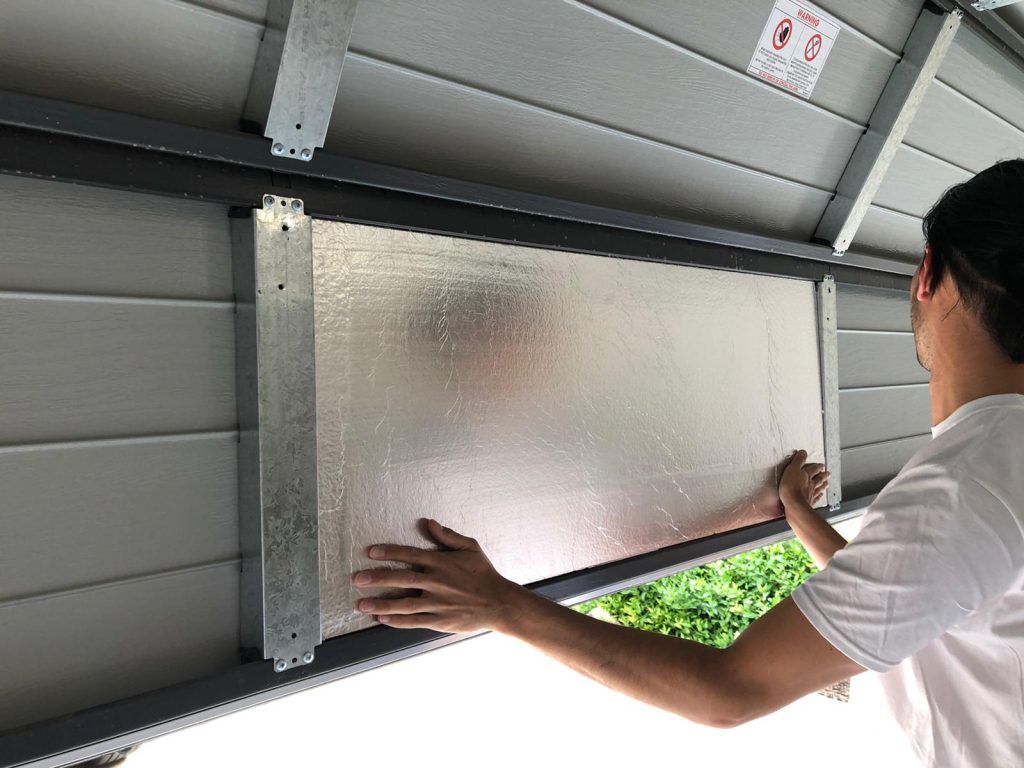
    Insulated garage doors have shifted from a comfort upgrade to a practical necessity as winter temperature swings grow more aggressive heading into 2026. Heat loss through an uninsulated or poorly insulated garage door doesn’t just affect the garage itself—it directly impacts adjacent living spaces, especially rooms above or beside the garage. Cold air infiltration causes interior temperature imbalances that push furnaces and heat pumps to cycle more frequently, increasing energy consumption and wear.

    Modern insulated doors rely on layered construction rather than surface-level padding. Steel-backed panels filled with polyurethane or polystyrene insulation create a thermal barrier that slows heat transfer. In 2026 performance testing, polyurethane-filled doors continue to outperform older insulation types due to higher R-values and tighter panel bonding. This results in better heat retention and reduced air movement during extreme cold snaps.

    Another factor often overlooked is structural rigidity. Insulated doors resist warping caused by moisture exposure and freezing temperatures. When panels stay aligned, seals remain intact, tracks stay square, and rollers move smoothly.

    That stability prevents gaps from forming along the perimeter, a common source of winter drafts. Service logs from recent winters show that homes with insulated doors experience fewer mid-season adjustments and less hardware stress.

    Noise reduction is another byproduct that homeowners notice quickly. Insulation dampens vibration and rattling caused by wind pressure and metal contraction. While quieter operation may seem secondary, it signals reduced mechanical strain—a key indicator of long-term system health.

    From an efficiency standpoint, insulated garage doors help maintain consistent interior conditions. That consistency matters in 2026 as energy costs remain volatile and homeowners look for upgrades that deliver steady returns rather than short-term fixes. When paired with proper installation and sealing, insulation becomes one of the most reliable defenses against winter energy loss.

    Weather Sealing And Bottom Seals That Stop Cold Air Leaks In Pittsburgh

    Even the most advanced insulated garage door can underperform if weather sealing is neglected. In winter conditions, air doesn’t need much space to move freely. Gaps as small as a quarter inch along the bottom or sides of a garage door can allow steady cold airflow, moisture intrusion, and heat loss that compounds over time. By 2026, weather sealing has become one of the highest-impact, lowest-disruption energy upgrades available.

    Perimeter seals along the jambs and header create the first line of defense. These flexible barriers compress when the door closes, blocking wind-driven drafts and preventing snow melt from seeping inside. Over time, seals harden, crack, or pull away from mounting points due to temperature cycling. Once flexibility is lost, sealing performance drops sharply, even if the door appears to close fully.

    Bottom seals play an even larger role. Concrete garage floors shift subtly with freeze–thaw cycles, creating uneven contact points. A worn or flattened bottom seal cannot adapt to these changes, leaving visible gaps that funnel cold air inside. Newer bottom seal designs in 2026 use multi-fin or bulb-style profiles that maintain contact across uneven surfaces, improving thermal performance without altering door operation.

    Key benefits of proper weather sealing include:
    • Reduced heat loss from attached garages into living spaces
    • Lower humidity intrusion that contributes to rust and corrosion
    • Improved door balance by minimizing wind resistance
    • Better indoor air consistency during prolonged cold spells

    Service data from recent winters shows that replacing degraded seals often produces immediate comfort improvements. Homeowners frequently notice warmer adjacent rooms and less condensation buildup within days. From a mechanical standpoint, sealing also protects rollers, hinges, and tracks from moisture, which accelerates wear.

    Weather sealing is not a cosmetic upgrade. In 2026, it remains a functional necessity that supports insulation, stabilizes indoor temperatures, and helps garage door systems operate smoothly throughout winter without added strain.

    When To Upgrade Vs Repair For Better Energy Efficiency In Pittsburgh PA

    Deciding between upgrading and repairing a garage door system becomes more nuanced when energy efficiency is the primary goal. In 2026, service assessments increasingly focus on performance thresholds rather than age alone. A door that technically operates may still drain energy if its design, materials, or components no longer meet modern efficiency expectations.

    Repair makes sense when the core structure remains sound. Replacing worn seals, adjusting tracks, upgrading insulation inserts, or reinforcing panels can restore much of a system’s thermal performance. These targeted improvements work best when doors were initially built with insulated cores or compatible framing. Minor air leaks, hardware misalignment, and surface gaps respond well to professional correction without requiring full replacement.

    Upgrading becomes the more brilliant move when energy loss stems from design limitations. Single-layer steel doors, aging wood panels, or systems with persistent warping often cannot hold seals consistently. Repeated winter adjustments, rising heating costs, and visible frost buildup inside the garage signal diminishing returns on repair efforts. At that point, energy efficiency gains plateau, regardless of how often components are serviced.

    The table below highlights common indicators used in 2026 efficiency evaluations:


    Condition Observed


    Repair Effective


    Upgrade Recommended


    Worn weather seals


    ✔


    Misaligned tracks


    ✔


    Single-layer door panels


    ✔


    Persistent panel warping


    ✔


    No insulation core


    ✔


    Hardware corrosion from moisture


    ✔


    Energy-focused decision-making prioritizes long-term stability. Homeowners who upgrade at the right time often see reduced heating demand, fewer winter service calls, and smoother door operation year-round. Repairs still play a vital role, but only when they meaningfully improve thermal performance rather than delay inevitable replacement.

    Smart Garage Door Openers And Energy Monitoring Features In 2026
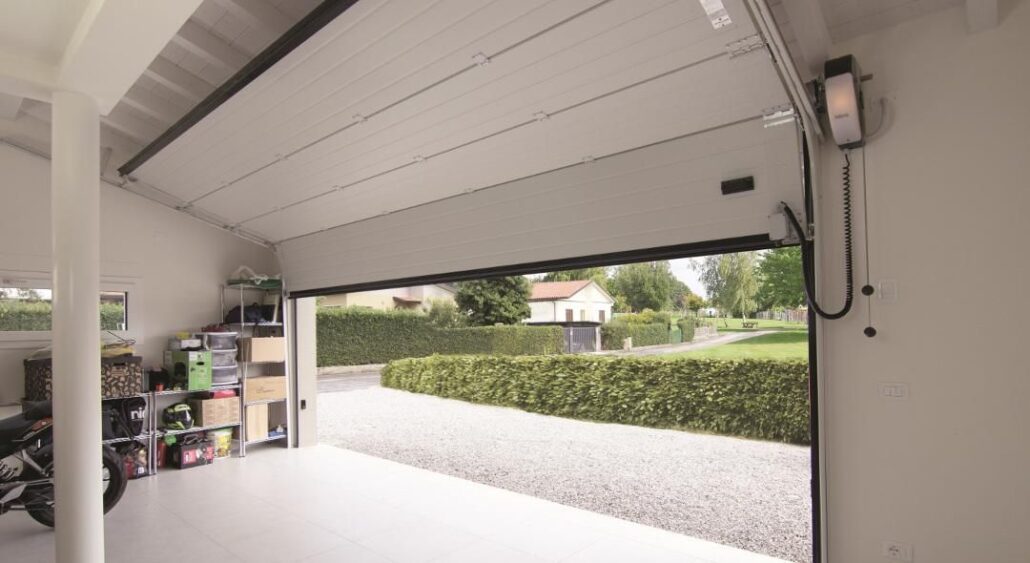
    Garage door openers aren’t just about convenience anymore—they’re becoming central to energy management strategies for modern homes. In 2026, smart openers offer more than remote access. They now play a role in optimizing when and how your garage interacts with outside temperatures, lighting, and energy usage.

    Today’s models integrate with smart home ecosystems like Google Nest, Amazon Alexa, and Apple HomeKit. That means homeowners can automate door operation based on indoor/outdoor temperature readings, motion detection, or even time-of-use energy pricing. This is particularly helpful in Pittsburgh winters, where doors might be opened and closed multiple times during peak heating hours, increasing indoor temperature fluctuation.

    New features in smart openers relevant to energy efficiency include:
    • Scheduled open/close cycles: Prevents doors from being left open during coldest periods
    • Temperature-triggered automation: Keeps doors shut during extreme temperature dips
    • Energy usage data logging: Tracks motor draw and opening frequency for performance review
    • Battery backup integration: Ensures the door stays functional even during winter outages

    In 2026, homeowners are also choosing Wi-Fi-enabled openers that monitor system performance. These units send real-time alerts for unusual behavior—like a door not sealing properly, or a motor straining during closure. That early insight lets technicians fix thermal weak spots before they become larger energy problems.

    There’s also a shift toward DC-powered openers, which consume less electricity than traditional AC motors and provide smoother, quieter operation. Some models include soft-start and soft-stop functions to reduce vibration, helping doors stay sealed more consistently. While the energy draw of an opener itself may seem minor, its indirect impact on temperature stability and seal performance can’t be overlooked—especially when cycles spike during Pittsburgh’s snow and ice season.

    Replacing outdated opener systems also gives homeowners a chance to address worn wiring, weak seals, and improperly adjusted limit settings—all of which can allow small energy leaks to go unnoticed. Combined with insulated panels and fresh weatherstripping, smart openers help turn the garage into a controlled entry point rather than a heat drain.

    As garage technology continues to evolve, energy-efficient openers are no longer a luxury—they’re a tool that Pittsburgh homeowners rely on to manage comfort, safety, and savings during harsh winters.

    Common Winter Garage Door Problems That Increase Energy Bills In Pittsburgh

    Every year, the first deep freeze in Pittsburgh triggers a flood of repair calls. But in 2026, it’s no longer just about broken parts—it’s about hidden inefficiencies that quietly rack up heating costs. Most homeowners don’t realize how much energy their garage door wastes until the damage is already reflected in utility bills or comfort drops in adjacent rooms.

    The most common winter garage door issues affecting energy use include:
    1. Loose or cracked weather seals
    2. Misaligned rollers or bent tracks
    3. Warped or dented panels that prevent tight closure
    4. Overworked motors due to friction or cold resistance
    5. Failed insulation within panel cores

    Let’s break down how each of these problems connects to rising energy consumption.

    Loose weather seals allow warm air to escape and cold drafts to enter. Over time, rubber or vinyl gaskets shrink, especially after repeated freeze–thaw exposure. This creates open channels for air transfer.
    Misaligned rollers stop the door from closing flush against the floor or frame. Even a small angle or gap allows convective air movement, pulling warm air from the garage or home interior.
    Dented panels from ice buildup or minor impacts reduce structural integrity. Once panels shift, seams lose compression, and insulation value drops drastically.
    Stressed motors often run longer in the cold. Friction increases, parts slow down, and the door takes longer to seal, allowing longer windows for heat loss.
    Old insulation cores degrade over time, especially if exposed to water vapor or mold. When the R-value drops, the door loses its ability to resist outside temperatures.

    In 2026, tech-forward garage door company Pittsburgh PA teams use thermal imaging and digital pressure sensors during routine winter service visits. These tools detect temperature differences across door surfaces, exposing where heat is leaking—even when damage isn’t visible.

    Ignoring small issues can multiply monthly heating costs. Field data from western PA shows garages with just one failed seal and a 15-year-old uninsulated door experience up to 30% greater heat transfer during winter peaks. That’s not just bad for your budget—it shortens the life of your HVAC system and increases carbon output.

    Energy efficiency isn’t just about saving a few bucks—it’s about building a home that can handle modern climate challenges, and the garage door is right at the center of that equation.

    Best Garage Door Materials For Energy Efficiency In Pittsburgh PA Homes

    Material choice directly influences how your garage door handles Pittsburgh’s brutal winters. While insulation gets most of the spotlight, the door’s exterior and core construction determine how well it resists heat transfer, moisture, and mechanical wear over time.

    Here’s a breakdown of top-performing garage door materials in 2026 for energy-conscious Pittsburgh homeowners:


    Material Type


    Insulation Compatibility


    Weather Resistance


    Lifespan Estimate


    Steel (3-layer)


    High (polyurethane core)


    Excellent


    20–30 years


    Fiberglass composite


    Moderate


    Very high


    25–35 years


    Vinyl-clad steel


    High


    Very high


    25+ years


    Wood (solid)


    Low


    Poor without treatment


    10–20 years


    Aluminum (modern)


    Medium


    Improved with thermal breaks


    15–25 years


    In 2026, three-layer steel doors with injected polyurethane lead the market. These doors feature an inner and outer steel skin, sandwiching a rigid foam core that locks in thermal resistance and blocks air transfer. The foam also reinforces the structure, reducing warping in extreme temperatures.

    Fiberglass composite doors have gained popularity thanks to their durability in wet or icy conditions. They resist rust and expansion, making them a strong choice for Pittsburgh homes exposed to road salt or freeze–thaw cycles. While slightly less insulating than polyurethane-filled steel, they perform better than hollow or wooden doors.

    Vinyl-clad options offer low maintenance and strong sealing capabilities. The exterior resists UV and temperature damage, while the core maintains stable insulation.

    Doors made of solid wood, while visually appealing, tend to struggle with energy efficiency unless custom-insulated or reinforced. Wood absorbs moisture, swells, and contracts—leading to gaps that make sealing harder.

    Upgraded aluminum doors with thermal breaks and insulation panels are starting to catch up in performance, though they still trail behind steel in R-value per square inch.

    In Pittsburgh, where snow loads, slush, and freeze-thaw patterns push garage doors to their limit, choosing the right material is about function, not just looks. When combined with sealing and smart openers, energy-efficient materials offer long-term comfort, safety, and savings.

    How A Garage Door Company in Pittsburgh PA, Can Help Improve Winter Efficiency

    By the time winter hits full force in Pittsburgh, most homeowners have already noticed the subtle signs—cold drafts creeping under doors, garages that never quite warm up, and heating bills that inch higher each week. What many don’t realize is just how much of that energy loss starts and ends at the garage door.

    Professional garage door technicians don’t just repair broken parts—they diagnose full system performance. They check where energy is leaking, which materials underperform, and how small fixes can prevent major winter headaches. In 2026, Pittsburgh’s weather isn’t getting easier on your home, so your garage door system can’t afford to fall behind.

    When you contact a service-focused provider, you’re not getting a one-size-fits-all solution. You’re getting real insights into:
    • What insulation value your door currently provides
    • Where your weather sealing is underperforming
    • How your opener contributes to energy waste
    • Whether repair or replacement makes more long-term financial sense

    As a homeowner, you don’t need to become a garage door expert. You need to recognize when something’s off: a draft, a loud cycle, a slow opener, a visible gap. Those signals are your home’s way of saying it needs help. And when it comes to energy efficiency in Pittsburgh winters, timing matters.
    If you’ve noticed colder rooms near the garage, more noise from the opener, or visible gaps along the edges of the door, now is the time to act. Book your inspection or energy-focused service with A1 Garage Door Repair Service. Our team is ready to help if you need advice or immediate assistance.
    Frequently Ask Questions

    Service Information & Answers

    Polyurethane-insulated steel garage doors are the most effective for Pittsburgh’s freezing conditions. They offer high R-values, reduce heat transfer, and provide structural durability during freeze–thaw cycles. Compared to polystyrene or no insulation, they significantly improve energy retention and door longevity throughout winter months.

    Signs include cold drafts near the door, uneven room temperatures, high energy bills, or visible light around the edges when closed. Inconsistent opener behavior during cold weather is another warning. A technician can use thermal imaging to detect exactly where heat is escaping from the garage.

    Yes. Insulated doors reduce heat loss by stabilizing garage and adjacent room temperatures, especially in attached garages. In 2026, Pittsburgh homeowners with insulated models report 10–20% lower winter heating costs compared to homes with single-layer or uninsulated doors exposed to regular cold.

    Absolutely. Cracked or flattened seals let in freezing air and moisture, disrupting garage temperatures and forcing HVAC systems to work harder. Replacing perimeter and bottom seals improves the door’s thermal seal, keeping heat inside and reducing cold air infiltration during Pittsburgh’s harshest months.

    It depends on the condition. Minor air leaks and hardware issues can be repaired cost-effectively. However, older uninsulated doors, warped panels, or systems lacking modern weather sealing often require replacement to achieve long-term energy savings and reliable winter performance in Pittsburgh.