Steel vs Wood Garage Door Repair Pittsburgh: Which Type Costs Less to Fix?
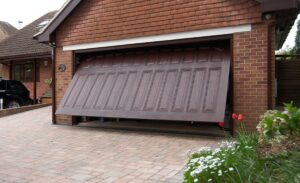
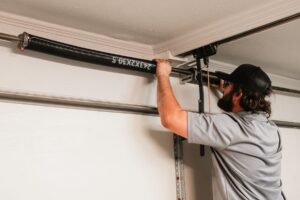
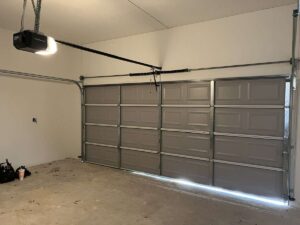
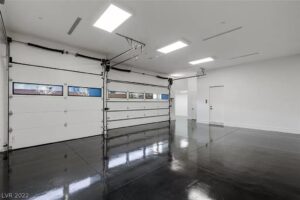
Your garage door took a hit — maybe a delivery truck clipped a panel, a branch came down in a storm, or a spring snapped after years of Pittsburgh freeze-thaw cycles. Before you call anyone, there’s a question most homeowners skip: should this go through your homeowner’s insurance, or should you pay out of pocket? And underneath that question is an even bigger one — does it matter which type of door you have? It absolutely does. If you need garage door repair Pittsburgh and you own a wood door, you’re playing a different ballgame than your neighbor with a steel door, and knowing the difference can save you hundreds of dollars and a premium hike. When Your Homeowner’s Insurance Covers Garage Door Damage — and When It Doesn’t Let’s get the insurance piece out of the way first, because this decision changes the whole math. Scenario 1: A vehicle hit your door.If someone backed into your garage door — whether it was you or someone else — this is typically covered under the “dwelling” portion of your homeowner’s policy, or possibly under your auto insurance if the vehicle was the at-fault party. Wood doors claim higher damage values (labor-intensive repairs, custom millwork), so filing often makes more sense here. For a steel door, a single-panel replacement might run $150–$350 out of pocket, which can be less than your deductible anyway. Scenario 2: Storm or hail damage.Pittsburgh gets hammered by hail and wind. Both wood and steel doors can take surface damage, but insurance adjusters treat them differently. Wood shows damage clearly — splintered frames, cracked panels, warping. Steel dents but rarely splinters. Insurers often consider wood damage more “total” in scope and may pay out more completely. Document everything with time-stamped photos before you touch anything. Scenario 3: A spring or cable breaks with no external cause.This is wear-and-tear, and almost no homeowner’s policy covers it. Pay out of pocket, period. Don’t bother filing — it will likely be denied and could flag your account. A garage door spring repair on a standard torsion spring system runs $150–$250 for most Pittsburgh homes regardless of door material. This is the one scenario where steel vs. wood doesn’t change the repair cost much. The premium impact is real.Filing a claim under $800 almost never makes financial sense if your deductible is $500–$1,000. We’ve seen homeowners file a $600 claim, get $100 back after the deductible, and then watch their annual premium rise $75–$120 for three years. That’s a net loss. Unless the damage is significant — think $1,500 or more — strong-arm the repair yourself. Documentation tips if you do file: Photograph the damage from multiple angles before any cleanup Note the date, time, and cause (storm, vehicle, etc.) Get a written estimate from a licensed contractor before the adjuster visits Ask your insurer specifically whether a wood or steel door is covered as a “matching” replacement — some policies require the replacement to match the original material Steel vs Wood Garage Door Repair Pittsburgh: The Real Cost Breakdown Here’s where the rubber meets the road. We handle both door types every week across the Pittsburgh area, and the repair economics are genuinely different. Steel Door Repairs Steel is modular. Individual panels are manufactured to spec, so replacing a damaged panel usually means ordering a replacement section and swapping it out. A single-panel replacement on a standard 16×7 steel door runs $200–$450 including labor. If the panel is a common size, we can often get it same-week.The downside: older steel doors (10+ years) may have discontinued panel profiles. At that point, you’re either mismatching panels or replacing the whole door. Wood Door Repairs Wood is custom. Even “stock” wood doors have grain, stain, and joinery that’s hard to replicate exactly. A single cracked or rotted panel on a wood door might mean a carpenter has to shape, sand, prime, and refinish the section — we’re talking $400–$900 for what looks like a simple panel fix. If the wood has been absorbing Pittsburgh humidity for years, the fix may only last another season before adjacent sections start showing the same rot.The labor rate is higher, the parts aren’t off-the-shelf, and the finishing work takes time. That’s not a knock on wood doors — they’re beautiful and they add real curb appeal — it’s just the honest cost picture. How Pittsburgh Winters Punish Wood Doors Differently Than Steel Pittsburgh sits in a brutal freeze-thaw zone. We regularly swing from 10°F nights to 45°F afternoons in January. For garage doors, that repeated thermal cycling matters a lot. Wood expands and contracts with temperature and humidity. Over time, this causes: Panels to warp, making the door bind in the tracks Joints to open up, letting cold air and moisture in Paint and sealant to crack, exposing raw wood to rot Steel handles thermal cycling better. It may dent more easily, but it doesn’t warp and it doesn’t rot. A quality steel door with a foam-injected core actually performs well in Pittsburgh’s climate — which is one reason we often recommend insulated garage doors for attached garages here. The insulation layer buffers temperature swings and reduces the stress on the door’s mechanical components. If you’re choosing between repairing a aging wood door every couple of years or switching to steel, the steel math usually wins by year three. Which Door Type Has Cheaper Replacement Parts? For steel doors, most replacement hardware — springs, cables, rollers, hinges, bottom seals — is universal or close to it. A standard 7-foot torsion spring fits the majority of steel residential doors in the Pittsburgh market. Parts are stocked locally and the turnaround is fast. Wood doors, especially custom or carriage-house styles, often use heavier hardware because the door weighs more. A solid wood double-car door can weigh 400–500 lbs — nearly double a comparable insulated steel door. That heavier load means: Springs are wound to a higher torque specification and