
Most Common Garage Door Opener Issues Pittsburgh Homeowners Face In 2026
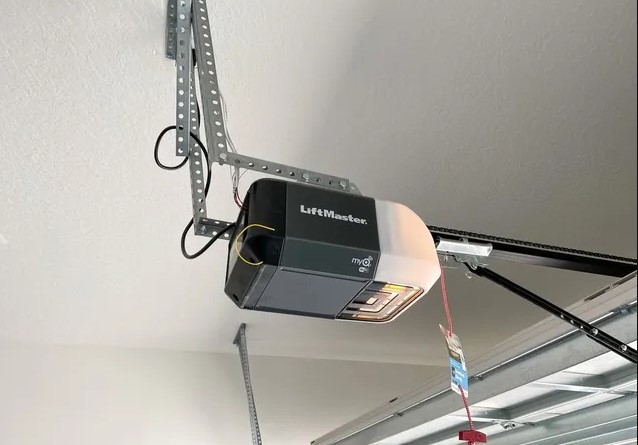
- Inconsistent remote response
- Motor straining during operation
- Clicking sounds with no movement
- Flashing safety sensor lights
- Door stopping mid-way without a clear cause
- Wall controls working but remote not
- Loud grinding or buzzing from the opener housing
Problem Type
| % of Service Calls
| Average System Age
|
Sensor misalignment or failure
| 27%
| 4–7 years
|
Worn gear or motor strain
| 22%
| 7–10 years
|
Logic board or circuit fault
| 19%
| 6–9 years
|
Remote or Wi-Fi connectivity drop
| 15%
| 3–6 years
|
Chain/belt misalignment or slack
| 11%
| 8–12 years
|
Safety reverse not engaging
| 6%
| 5–8 years
|
Key Signs Your Garage Door Opener Needs Immediate Repair
- The door stops mid-operation regularly
- The motor hums but nothing moves
- You hear clicking but the opener doesn’t respond
- The door reverses before closing fully
- Safety sensors blink even when nothing’s blocking them
- Remotes or smart apps stop working
- You smell burnt plastic or hear electrical buzzing
- Motor overrun: Motor keeps running after the door stops moving. This burns out the internal circuit.
- Sensor desync: Even small alignment shifts can block your opener from responding at all.
- Opener delay: If it takes more than 2 seconds after you hit the remote, something’s wrong.
- Jammed openers: These put strain on the drive and burn through gear teeth, especially in older chain-drive models.
- The door starts, then immediately reverses
- The wall button works, but the remote doesn’t
- The door opens fine, but won’t close without holding the button
- The opener light flashes continuously
- The smart app shows “offline” or “no response.”
When A Quick Fix Is Enough: Repair Scenarios That Still Make Sense
Not every opener issue calls for a full replacement. In 2026, there are still plenty of opener problems that can be solved with a targeted, cost-effective repair—especially when the system is under 10 years old and the core components are still intact. Knowing when to fix versus when to walk away is key to saving time and money.
Let’s look at a few scenarios where a repair still makes sense in the current market.
- Sensor realignment or replacement
- Remote reprogramming or swap-out
- Broken gear assembly
- Loose chain or belt tension adjustment
- Travel limit resets
- Overhead light not working (bulb socket replacement)
- Wall control switch failure
If your opener is a known, brand-name system (LiftMaster, Chamberlain, Genie, Craftsman) and under 10 years old, parts are still widely available in Pittsburgh. Local suppliers have strong inventories of common gear kits, drive belts, and replacement logic boards. That keeps repair turnaround short and pricing relatively stable.
- The opener still responds but hesitates or strains
- The issue began after a storm or power outage
- You can hear the motor working, but the drive isn’t engaged
- The door still moves manually without extra resistance
- You just replaced the door or springs recently
Issue Repaired | Avg. Repair Cost | Typical Time to Fix |
Sensor realignment/replacement | $85 – $130 | 30–45 minutes |
Belt or chain adjustment | $100 – $150 | 45–60 minutes |
Gear/motor assembly | $160 – $240 | 1–2 hours |
Logic board replacement | $220 – $300 | 1.5–2 hours |
Remote or keypad reprogramming | $80 – $120 | 30 minutes |
It’s not just about saving money. In some cases, homeowners have newer openers with innovative features already installed—there’s no need to throw the whole system out when the motor or board is still good.
Red Flags That Signal It’s Time To Replace Your Opener
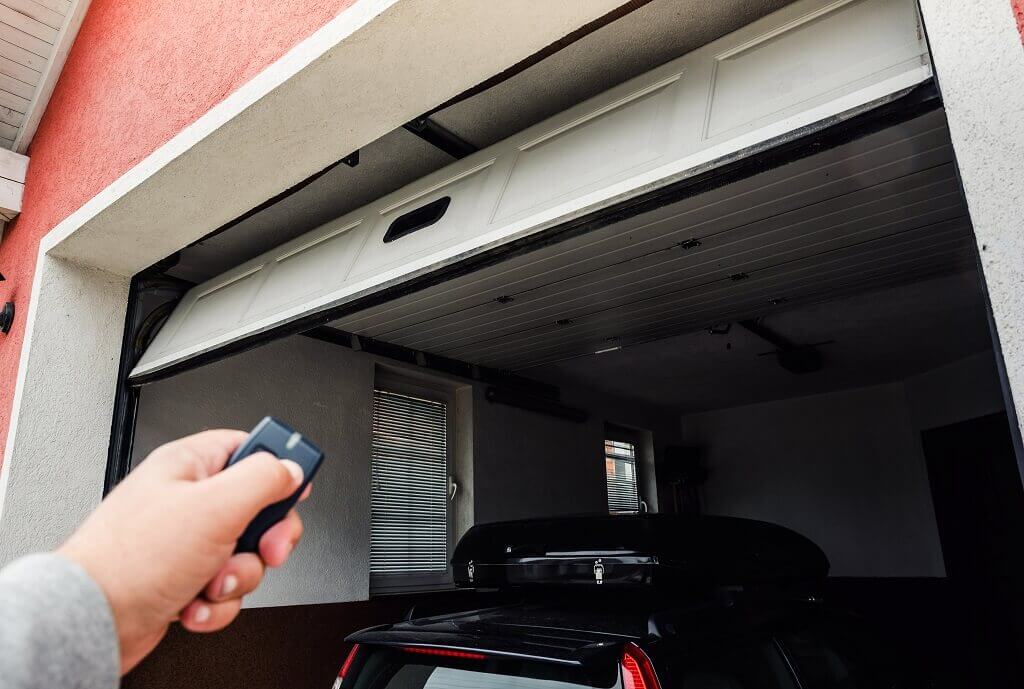
- Your opener is over 12 years old
- You’ve had more than one major repair in the past 18 months
- It lacks rolling code security or battery backup
- The motor grinds or hums, but doesn’t lift smoothly
- Your model is no longer supported or parts are discontinued
- You’ve upgraded the door recently, but the opener struggles with the weight
- There’s water damage or corrosion inside the housing
- They’ve switched to smart home platforms and want full integration
- Energy use has become a concern, especially in homes with high-cycle doors
- They’re getting the house ready for resale, and an outdated opener doesn’t add value
- DC-powered motors (quieter, more efficient)
- Integrated LED lighting
- Wi-Fi/app controls and real-time notifications
- Auto-locking systems for added security
- Backup batteries for storm season
What Pittsburgh Homeowners Should Know About Smart Opener Upgrades
- Remote open/close control from your phone
- Push alerts if the door is left open
- Voice control using Alexa, Google Assistant, or Siri
- Automatic close timers for safety
- Garage activity logs and access tracking
- Smart lock pairing with entry systems
- Battery backup for outages
- LiftMaster
- Genie Aladdin Connect
- Chamberlain MyQ
- Skylink Nova
- Ryobi UltraQuiet Series
- Older remotes are less secure, making doors easier to breach
- Wi-Fi failures on legacy systems often can’t be fixed without full replacement
- New safety regulations now require backup power for certain homes and multi-family units
Wrapping Up: Choosing The Right Path For Your Garage Door Opener In Pittsburgh
Service Information & Answers
Most garage door openers in Pittsburgh last between 10 to 15 years, depending on usage and maintenance. Cold weather, power outages, and heavy doors can shorten that lifespan. Systems without backup batteries or smart integration are more likely to show signs of wear by year eight.
Common signs include delayed response, loud grinding noises, motor humming with no movement, or the remote not working. If your opener only works from the wall switch or reverses randomly, it likely needs immediate repair to prevent further damage.
If your opener is under 10 years old and the motor, board, or sensors are still supported, a repair usually makes sense. But if it’s older, noisy, or missing safety features like battery backup or rolling-code security, replacement is often the smarter investment in 2026.
In Pittsburgh, typical garage door opener repairs in 2026 range from $100 to $300, depending on the issue. Sensor replacement, gear fixes, and board swaps fall within this range. Emergency visits or complex smart system repairs may cost slightly more, especially during peak weather seasons.
Yes. Most modern smart openers are compatible with existing garage doors. If your door operates smoothly and isn’t warped or off-track, you can often install a new opener without changing the entire system. Always check compatibility for motor weight limits and spring balance first.