
A1 Garage Door Logo 1

Bethel Park PA Garage Door Safety: Spring & Cable Failures Explained (Repair vs Replace)

    Expertise in residential door systems indicates that spring and cable failures remain among the most overlooked yet dangerous household hazards. When homeowners search for Garage Door Repair Bethel Park PA, the underlying concern is rarely just noise or inconvenience — it’s safety, reliability, and protecting family property. Springs store hundreds of pounds of torque. Cables carry that tension during every lift cycle. When either component fails, doors can slam shut, twist off tracks, or place extreme strain on openers and mounting hardware.

    In 2026, industry data indicate that spring-related breakdowns account for nearly 35% of emergency garage door service calls nationwide, while cable failures account for another 18%. The real question homeowners ask is simple: should damaged parts be repaired or fully replaced? The short answer depends on wear patterns, cycle fatigue, door weight, and local environmental conditions. This guide breaks it all down—how failures occur, which warning signs matter most, and how smart maintenance decisions reduce risk before damage escalates.

    What Causes Garage Door Spring Failures in Bethel Park PA?
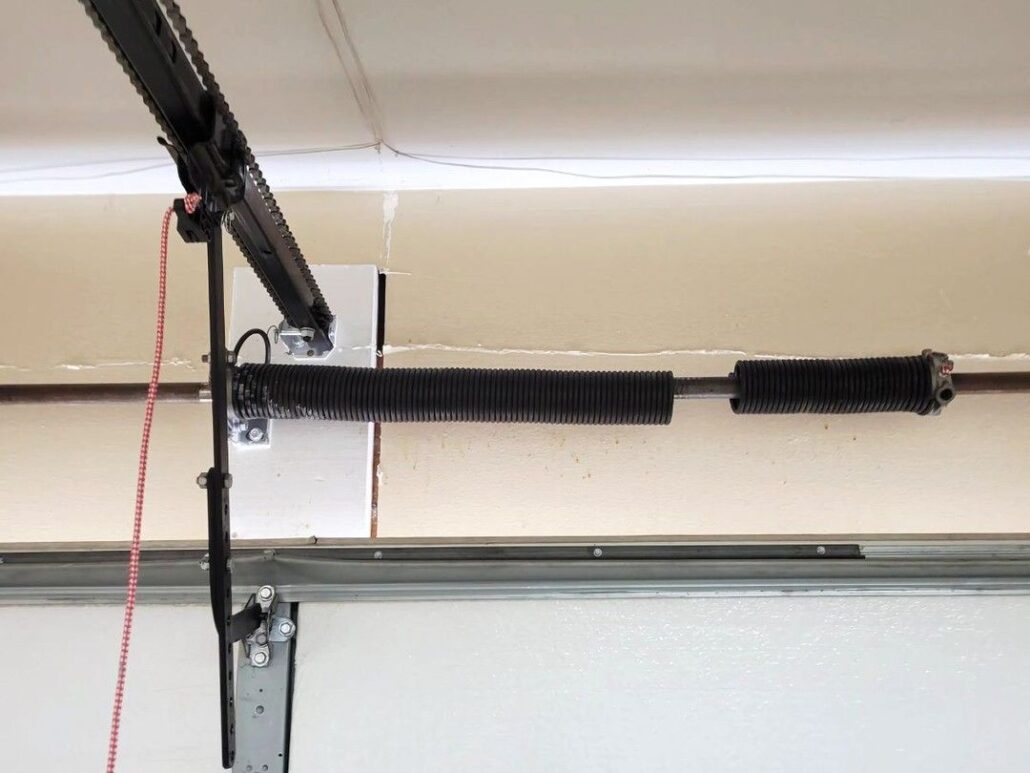
    Garage door springs fail for one main reason: fatigue. Every open and close cycle stretches torsion springs and loads extension springs under tension. Over time, metal weakens at the microscopic level, eventually failing without much warning. While springs are rated by cycle counts, real-world conditions accelerate wear far faster than most homeowners expect.

    In the southwestern Pennsylvania climate, temperature swings play a major role. Cold winters cause metal contraction, increasing brittleness. Warm summers expand steel, loosening tolerances inside the spring coil. That constant expansion and contraction creates internal stress fractures. Add moisture and road salt residue in winter months, and corrosion becomes another major contributor.

    Usage habits matter too. A garage door used as a primary entry point can easily double the number of cycles compared to homes that rely mostly on front doors. Households with multiple drivers often exceed 2,000 cycles per year, which can push standard springs toward early failure.
    Here’s how spring failures typically break down based on recent service industry data collected through 2025 residential repair reports:


    Cause of Spring Failure
    Percentage of Reported Cases
    Metal fatigue from daily cycles
    41%
    Corrosion and moisture exposure
    22%
    Improper spring sizing
    15%
    Lack of lubrication
    12%
    Installation imbalance issues
    10%
    Another overlooked issue is improper spring selection during installation. Doors vary in weight depending on insulation, panel thickness, window inserts, and reinforcement struts. When springs are undersized or mismatched, they work harder on every cycle. That added strain shortens lifespan and creates uneven lifting forces that stress cables and bearings simultaneously.

    Maintenance habits can either extend or shorten spring life dramatically. Dry springs generate friction heat during operation. Without periodic lubrication, coils rub against each other internally, accelerating wear. Proper lubrication alone can extend usable life by up to 25% according to manufacturer testing benchmarks.

    The biggest problem? Many homeowners don’t realize springs are failing until they snap. When that happens, the release of stored torque can damage drums, bend shafts, and cause sudden door drops. That’s why understanding the causes of early failure isn’t just about technical knowledge — it’s about prevention.

    How Cable Breaks Happen and Why They’re Dangerous for Homeowners

    Cables are the quiet workhorses of garage door systems. While springs store energy, cables transfer that energy to lift the door evenly. Each side of the door relies on equal tension. When one cable weakens or frays, balance disappears — and that’s when accidents happen.

    Cable failures usually develop slowly. Fraying begins when steel strands rub against worn pulleys or misaligned drums. Over time, individual strands snap, reducing overall load capacity. Rust compounds the problem. Moisture penetrates braided steel, causing internal corrosion long before surface rust becomes visible.

    Another major contributor is track misalignment. When rollers don’t travel smoothly, cables experience uneven tension loads. Instead of lifting straight up, doors twist slightly during operation. That twisting motion pulls harder on one cable than the other, accelerating wear on the stressed side.

    Why is this dangerous? Because when cables fail, gravity takes over instantly. A 150- to 300-pound residential door can free-fall if spring tension is compromised simultaneously. Even partial cable failure can cause doors to jam crooked, binding against tracks and placing extreme stress on opener motors.

    From a safety standpoint, cable issues often create secondary damage:
    • Bent bottom brackets from uneven tension
    • Warped door sections from torsional stress
    • Motor gear wear due to lifting resistance
    • Sensor misalignment caused by door tilt

    Modern doors with safety sensors help prevent full crashes, but sensors only stop downward travel. They cannot control lateral twisting or uncontrolled upward recoil when tension snaps.

    Another overlooked hazard is DIY handling. Homeowners sometimes attempt to “tighten” slack cables without understanding drum tension balance. That creates unpredictable tension release. Industry safety reports show cable-related DIY adjustments account for nearly 20% of garage door injury claims annually.

    Preventive inspections catch cable wear early. Technicians look for flattened strands, drum groove wear, and uneven winding patterns. These small details indicate when replacement is smarter than patch repairs.

    Cable systems don’t fail loudly at first. They whisper before they scream. Knowing how these failures develop keeps doors operating safely and prevents costly collateral damage.

    Warning Signs Your Garage Door Springs or Cables Are About to Fail

    Your garage door usually gives plenty of warning before catastrophic failure — the trick is knowing what to listen for and what to look at. Ignoring early signals often turns minor repairs into emergency service calls.

    Here are the most common warning signs homeowners should never brush off:
    • Loud snapping or popping sounds during door operation
    • Uneven door movement, where one side rises faster than the other
    • The door slams shut instead of lowering smoothly
    • Visible gaps in torsion springs, indicating coil separation
    • Frayed cable strands near bottom brackets or drums
    • A jerky or stuttering motion when opening
    • Excessive vibration in tracks or support brackets
    • The door feels unusually heavy during manual operation

    Noise changes are especially important. Springs normally operate quietly. When metal fatigue sets in, tension changes create sharp creaking or metallic popping. That sound often appears days or weeks before total failure.

    Visual inspections help too. A torsion spring gap of as little as 2 inches indicates the spring has already snapped internally. Extension springs may stretch unevenly, creating sagging coils on one side of the door.

    Another red flag is opener strain. When springs weaken, openers compensate by pulling harder. That extra load shortens motor life and wears internal gears. If your opener hums loudly or struggles to lift, spring tension is often the root cause.

    Seasonal changes also reveal hidden problems. Cold weather thickens lubrication and stiffens metal. If doors suddenly feel sluggish during the winter months, it’s not just the temperature —it’s stress revealing worn components.

    Routine manual balance tests provide useful insight. When properly balanced, a door should stay halfway open without drifting up or slamming down. If it drops quickly or shoots upward, spring tension is no longer calibrated correctly.

    Catching these signs early saves money and prevents injury. Springs and cables don’t fail politely. They fail when stress peaks—typically during peak-use periods such as mornings and evenings, when households are busiest.

    Repair vs Replace: When Bethel Park PA Homeowners Should Upgrade Components
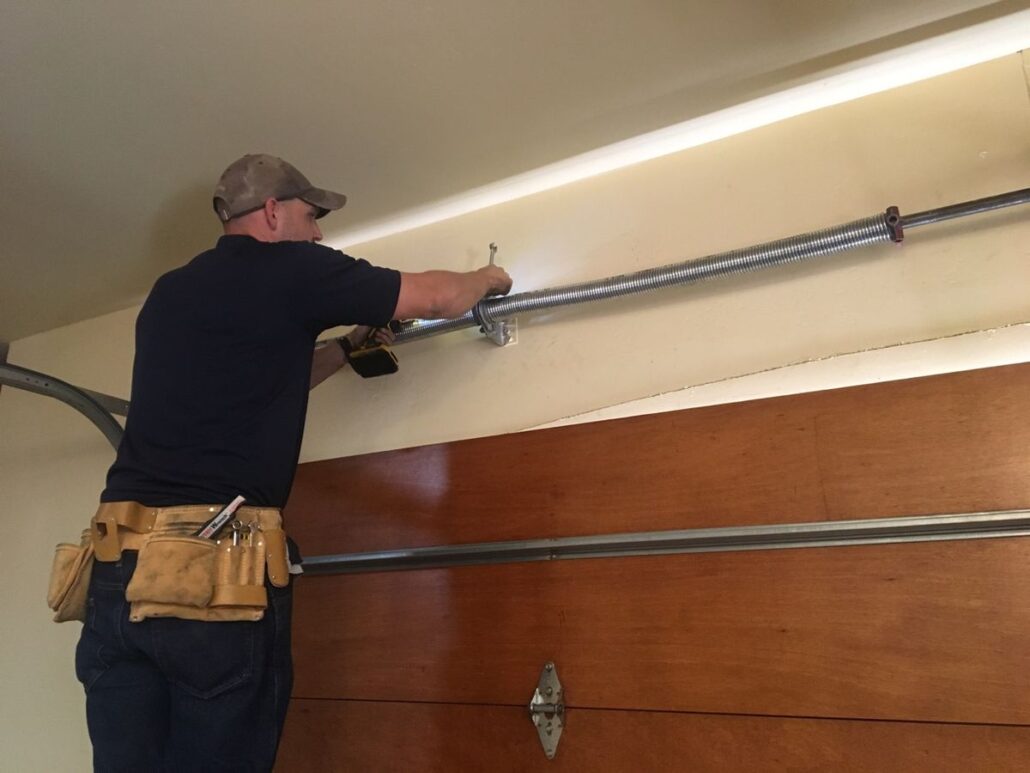
    One of the most common questions homeowners ask after a spring or cable issue appears is whether repair is enough or if full replacement makes more sense. The answer isn’t always black and white. It depends on age, wear patterns, door weight, and overall system balance. In 2026, service data continues to show that partial fixes often lead to repeat failures when underlying fatigue isn’t addressed.

    Let’s start with springs. A torsion spring rated for 10,000 cycles may sound durable, but in real households that can translate to only five to seven years of daily use. Once a spring begins to lose elasticity, its tension gradually decreases. Technicians can sometimes re-balance systems temporarily, but this does not reverse metal fatigue. When a spring has visible gaps, uneven coil spacing, or corrosion pitting, replacement is the safer option. Repairs are typically recommended only when minor adjustments are needed due to changes in door weight or track alignment.

    Cable decisions follow similar logic. If only surface wear is visible and tension distribution remains even, targeted adjustments may restore proper function. However, once strands begin separating or flattening occurs near drum contact points, replacement becomes necessary. Continuing to operate worn cables increases the chance of sudden failure and uneven lifting that can twist door panels and strain hinges.

    Another factor is door design. Heavier insulated doors and steel-backed composite panels place higher loads on both springs and cables. Older systems originally installed for lighter doors often operate outside safe tolerance ranges after upgrades. In those cases, replacing springs with higher-cycle-rated models improves reliability and reduces strain on motors and brackets.

    Homeowners should also consider paired replacement. Springs work together in balanced sets. Replacing only one spring in a dual-spring system creates an uneven tension distribution, leading to premature failure of the remaining spring. Industry best practice strongly recommends replacing both springs simultaneously to maintain consistent torque output.

    The long-term cost perspective matters too. Proactively replacing worn components often costs less than repeated emergency service visits caused by cascading failures. Door alignment, opener wear, and track stress all increase when tension systems degrade.

    In short, repairs address symptoms. Replacement addresses root causes. Homeowners focused on safety, reliability, and long-term performance typically benefit from full component upgrades when wear reaches critical thresholds.

    How Much Does Spring and Cable Repair Cost in Bethel Park PA?

    Understanding cost expectations helps homeowners make informed decisions without surprises. Pricing varies depending on door type, hardware quality, labor complexity, and emergency response needs. In 2026, regional service averages show moderate increases tied to material costs and labor demand, but proactive maintenance still offers strong value.

    Several factors influence final pricing. Door size and weight are major contributors. Double-car garage doors require stronger springs and heavier-duty cables than single-door systems. Insulated doors, decorative hardware, and reinforced panels add weight, increasing component specifications and installation time.

    Here’s a breakdown of typical pricing ranges based on recent residential service trends:


    Service Type


    Average 2026 Cost Range


    Single torsion spring replacement


    $180 – $350


    Dual spring replacement set


    $280 – $520


    Cable replacement (pair)


    $150 – $300


    Emergency same-day service


    Additional $75 – $150


    System rebalancing and calibration


    $90 – $180


    Labor complexity also affects pricing. Doors with high-lift tracks, custom wood panels, or commercial-style hardware require specialized calibration. Older systems sometimes lack standardized components, which increases installation time.

    Another hidden cost factor is collateral damage. When springs or cables fail abruptly, secondary repairs are often required. Bent tracks, damaged drums, misaligned sensors, and worn-out opener gear can add hundreds of dollars to total repair costs. Preventive replacement avoids these chain reactions.

    Warranty coverage plays a role too. Higher-cycle springs cost more upfront but deliver longer service life. Many homeowners opt for upgraded springs rated at 20,000 or even 30,000 cycles. Over a decade of use, this upgrade often pays for itself by reducing service calls.

    Seasonal demand affects pricing indirectly. Winter months and early spring typically see higher emergency call volumes due to temperature stress on metal components. Scheduling maintenance during off-peak periods often allows more flexible appointment availability and smoother turnaround times.

    What matters most isn’t simply the lowest price. It’s value per cycle of operation. A low-cost spring replacement that fails early costs more in the long run than a properly sized, high-quality system installed correctly.

    Transparency in estimates, proper component matching, and post-installation testing define professional service standards. Homeowners should always ask about cycle ratings, warranty coverage, and calibration procedures when reviewing service quotes.

    Safety Tips to Prevent Garage Door Spring and Cable Accidents

    Garage door safety doesn’t rely on luck. It’s built through awareness, routine checks, and smart maintenance habits. In 2026, residential safety reports still show preventable accidents tied to neglected tension systems. Fortunately, small actions can dramatically reduce risk.

    One of the most effective safety measures is routine visual inspection. Homeowners don’t need specialized tools to spot early warning signs. Checking for rust buildup, frayed strands, and spring coil separation once a month can catch problems before they escalate.

    Lubrication also plays a key role. Springs and bearings operate under constant friction. Applying manufacturer-approved lubricant every three to six months reduces internal heat buildup and slows metal fatigue. This simple habit extends component lifespan and keeps doors moving smoothly.

    Door balance testing provides valuable insight into tension health. Disconnecting the opener and manually lifting the door halfway allows homeowners to assess spring performance. If the door drops or rises on its own, tension calibration is off and should be addressed promptly.
    Sensor alignment and track cleanliness also contribute to safety. Debris buildup can cause rollers to bind, increasing cable tension. Clean tracks reduce friction and prevent uneven lifting forces.

    Another important safety habit involves educating household members. Children should never play near moving doors or attempt to hang on door panels. Pets should be kept clear during the operation. Clear zones around garage doors reduce the risk of injury during unexpected failures.
    Smart garage technology also contributes to safety. Modern openers with load detection automatically stop when resistance changes abruptly. This feature helps prevent strain-related accidents and reduces the risk of motor burnout from weakened springs.

    Ultimately, prevention comes down to consistency. Regular, small maintenance actions create long-term reliability. When homeowners stay proactive, spring and cable failures shift from emergencies to manageable service appointments.

    How Professional Garage Door Repair Bethel Park PA Services Can Help Protect Your Home

    Professional technicians provide the precision, calibration, and safety control that tension-based systems demand. Springs and cables operate under forces that can’t be managed reliably without the right tools and training. When these parts wear, the entire door system becomes unpredictable. Skilled specialists diagnose load distribution, measure torque output, inspect drum wear, and restore proper balance so the door moves smoothly without stressing the opener or track hardware. This level of detailed evaluation prevents secondary damage and extends the lifespan of the entire setup.

    Routine professional maintenance further reduces the likelihood of sudden failures. Technicians adjust tension, lubricate high-friction components, and identify early indicators of fatigue long before they escalate. With rising service demand in 2026 across the region, timely inspections remain one of the most effective ways to maintain a safe, dependable garage door.

    For homeowners seeking reliable results and a safer system, contacting A1 Garage Door Repair Service is the next recommended step. Reach out if you need assistance or advice—our team is here to help.
    Frequently Ask Questions

    Service Information & Answers

    Worn springs and cables are the leading causes, often due to daily use and seasonal temperature changes. Fixing them early prevents unsafe door movement and bigger repairs.

    Early signs include frayed strands, rust spots, slack in the cable, uneven door movement, or a crooked lift. These symptoms indicate rising tension imbalance and should be inspected promptly.

    Most spring issues require replacement rather than repair. Springs weaken internally from cycle fatigue, and repairing them doesn’t restore lost strength or long-term safety.

    Yes. When springs lose tension, cables experience increased stress, leading to accelerated wear or sudden failure. Addressing both components together is often the safest solution.

    Annual inspections are recommended, especially in high-use homes. Regular evaluations help detect tension loss, corrosion, and uneven wear before they lead to dangerous failures.