
A1 Garage Door Logo 1

Commercial Garage Door Repair in Monroeville PA: What Business Owners Must Know

    Every commercial property depends on access — and garage doors are at the heart of that flow. From shipping centers and auto shops to medical facilities and warehouses, a single malfunction can delay deliveries, halt operations, or compromise security. That’s why facility managers searching for Garage Door Repair Monroeville PA aren’t just dealing with inconvenience — they’re under pressure to solve problems fast, correctly, and with minimal disruption.

    Commercial garage doors face higher loads, faster wear, and stricter compliance standards than their residential counterparts. They’re larger, heavier, and operate more frequently under tighter tolerances. In 2026, national repair data shows that commercial garage door malfunctions result in more than $1.5 billion in lost operational time annually — much of it avoidable with routine inspections, timely service, and component upgrades.

    The real risk? Waiting too long or choosing the wrong fix. That’s where professional insight becomes essential. This guide focuses on what Monroeville business owners need to know — from high-failure parts and downtime triggers to choosing reliable partners who understand commercial-grade systems.

    Most Common Commercial Garage Door Failures That Disrupt Business Operations
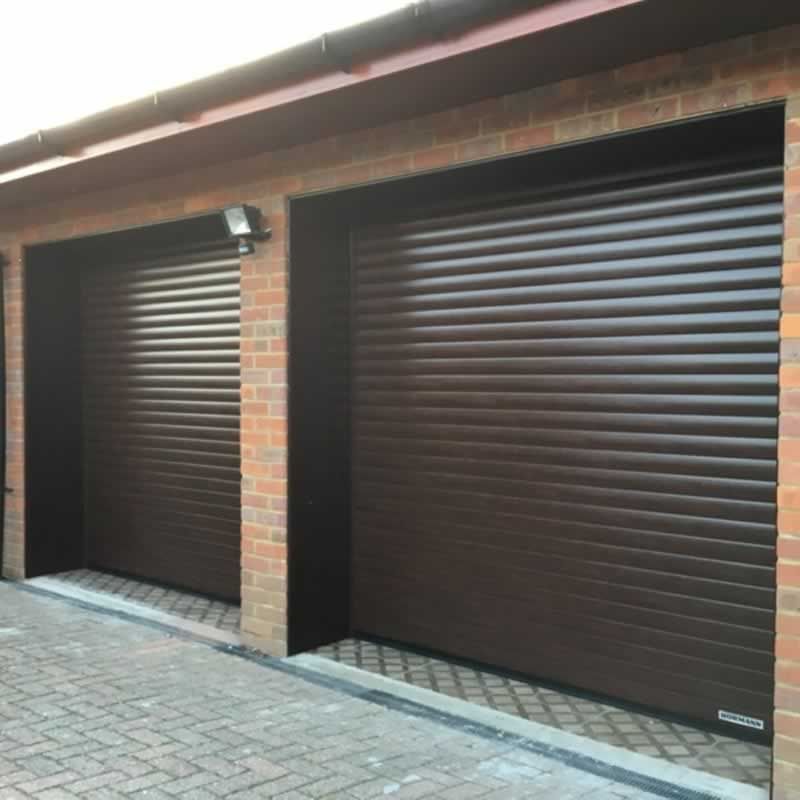
    While commercial garage doors are built for durability, they’re not immune to breakdowns—especially in high-traffic areas such as loading docks, automotive bays, and inventory facilities. Each lift cycle places stress on springs, hinges, rollers, sensors, and opener systems. Add in weather, power fluctuations, and lack of maintenance, and you’ve got a recipe for frequent service disruptions.

    The top failure types affecting businesses in Monroeville PA typically fall into six categories:


    Failure Type


    Common Symptoms


    Impact on Business


    Broken torsion springs


    Door slams or won’t lift


    Complete shutdown of access


    Frayed or snapped cables


    Uneven door movement


    Safety hazard + off-track door


    Roller or hinge wear


    Loud grinding, door dragging


    Slower operations, employee risk


    Faulty opener motors


    Door won’t respond


    Delays in inbound/outbound traffic


    Sensor misalignment


    Door won’t close fully


    Security gaps + workflow stoppage


    Track misalignment


    Sticking, jerking motion


    Structural strain, vehicle damage


    Springs and cables are the most failure-prone components in commercial settings, especially with heavy insulated or steel-back doors. Unlike residential doors, these are often cycled hundreds of times per day. That’s why commercial springs typically require higher cycle ratings — 25,000 to 100,000 cycles, depending on the door’s role.

    Cables, on the other hand, degrade gradually. Dirt, moisture, and uneven winding tension cause internal fray long before visible wear appears. Once cables snap or kink, the entire door loses balance, placing extreme strain on the remaining side and risking off-track failures or sudden slams.

    Motor-driven openers in commercial setups are another weak link. They’re often underpowered for the job or mismatched with heavier-than-average doors. When openers strain to lift or respond slowly to commands, they create workflow bottlenecks and safety risks for staff navigating vehicle paths.

    Sensors also fail more often in commercial environments. Debris, vibration, or interference from warehouse lighting can cause alignment drift. When sensors fail, doors refuse to close or auto-reverse incorrectly — disrupting security protocols and access control systems.

    Lastly, track alignment is critical. Forklifts, vehicles, or heavy rolling carts often bump into tracks, causing slight shifts that lead to metal-on-metal contact. This not only increases wear on rollers and brackets, but can also cause doors to twist mid-operation — a dangerous and costly outcome.
    Addressing these failures before they escalate is the core of good facility management. And in 2026, with rising equipment costs and delayed parts lead times, prevention is not just smart — it’s an operational strategy.

    Top Signs Commercial Doors Need Immediate Repair or Adjustment

    Spotting the warning signs of commercial garage door issues early can be the difference between routine repair and a full-blown emergency service call. Commercial setups often operate in fast-paced environments where minor hesitation, misalignment, or strain can compound quickly. That’s why awareness among business owners, maintenance teams, and dock managers is essential.

    Here are the key operational signs that your commercial garage door system in Monroeville PA needs prompt attention:
    • Lagging door response when using wall controls or remotes
    • Door feels heavier or moves unevenly during lifting cycles
    • Grinding, screeching, or popping noises during operation
    • Sensor lights blinking or doors refusing to close without manual override
    • Door panels flexing, bowing, or binding against tracks
    • Visible slack, fray, or corrosion on lift cables
    • Bottom of door dragging unevenly or failing to seal properly
    • Sudden reversals mid-close cycle with no obstruction present

    Any of these issues indicates mechanical imbalance, electrical strain, or component fatigue. Delaying service can lead to broader failures— such as track collapse, opener burnout, or spring snaps —all of which can shut down access for days.

    Another overlooked sign is a change in door speed. If your door starts moving faster or slower than usual, it may be due to spring tension loss or a failing opener clutch. These small shifts often precede major failures and should be flagged immediately.

    On the electrical side, intermittent opener operation, control panel delays, or nonresponsive remote commands can indicate wiring issues, a circuit board malfunction, or motor overheating. In commercial settings, this can interfere with automated gate or building security systems at the garage entry point.

    In 2026, as more Monroeville businesses integrate smart facility technology, these malfunctions also cause software synchronization errors. A door that doesn’t close or logs false signals can trigger security alerts, restrict vehicle movements, or even cause system-wide auto-locks.

    Some businesses try to “nurse” the issue — overriding sensors, manually closing doors, or forcing jammed rollers. This creates liability, voids warranties, and accelerates component wear. Smart operations recognize that commercial doors are mechanical systems under stress. The sooner imbalance or resistance is diagnosed and corrected, the lower the long-term cost and risk.

    Emergency vs Scheduled Commercial Garage Door Repair Services in Monroeville PA

    In the fast-moving world of logistics, distribution, and commercial operations, downtime is more than an inconvenience — it’s lost money. That’s why business owners must understand when emergency garage door service is necessary and when repairs can be safely scheduled.

    Let’s break it down by urgency and risk.
    Emergency repair is required when:
    • The door is stuck open, exposing the facility to weather or security risk
    • A spring or cable has completely snapped
    • The door is jammed mid-cycle, blocking vehicle access
    • Safety sensors or access control systems have failed
    • There is visible track detachment or motor burnout
    • There’s risk of falling or slamming from imbalanced tension

    In these cases, waiting is not an option. The risk to employee safety, equipment, product flow, and physical assets is too high. Emergency garage door repair teams in Monroeville typically respond within a few hours — but not all companies are equipped for after-hours or commercial-grade systems. That’s why it’s important to vet service providers in advance and know who to call when doors lock up or shut down operations.

    Scheduled repair is ideal when:
    • Doors are noisy but operational
    • Rollers or hinges are wearing but intact
    • Door travel is slightly uneven but not jammed
    • Openers occasionally hesitate or slow down
    • Preventive maintenance is overdue

    These issues don’t require same-day service but should still be addressed within 2–5 business days to prevent further strain on components. Scheduling repairs allows businesses to avoid emergency fees and gives technicians time to order specific commercial parts if needed.
    Here’s a quick comparison of key considerations:


    Repair Type


    Response Time


    Cost Level


    Ideal For


    Emergency Repair


    Same-day or within 24 hrs


    Highest


    Sudden failures, security issues, door immobility


    Scheduled Repair


    Within 2–5 business days


    Standard


    Minor wear, slowdowns, regular maintenance


    Preventive Maintenance


    Quarterly or semi-annually


    Lowest


    Reducing failure risk, keeping warranties valid


    It’s worth noting that in 2026, supply chain delays still affect certain commercial door components — especially high-cycle springs, specialty cables, and logic boards for advanced openers. Businesses that maintain a regular service schedule are less likely to face extended downtimes from parts backorders.

    In Monroeville, many companies are moving toward maintenance contracts that include scheduled checkups and discounted emergency rates. These service relationships ensure fast response when breakdowns happen and minimize overall repair costs by catching problems early.
    Emergency or not, having a clear plan protects your business. And it ensures when your doors stop, your operations don’t.

    2026 Cost Factors That Affect Commercial Garage Door Repair Pricing
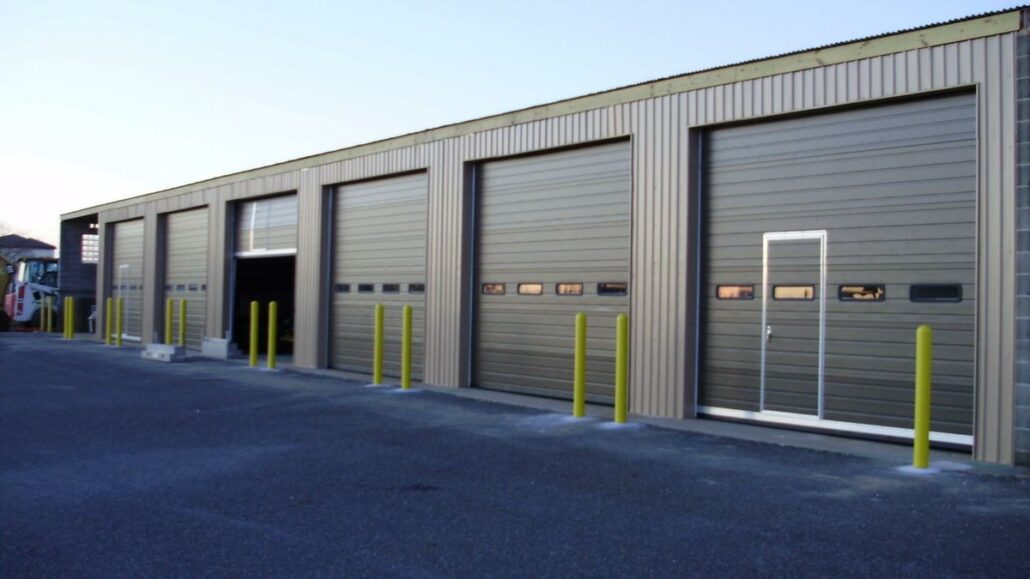
    Commercial garage door repair isn’t a one-price-fits-all service — especially in 2026. With increased demand across Monroeville, PA, and rising material and labor costs, understanding what influences pricing is key for accurate budgeting and decision-making.

    The final price of any repair typically depends on five main factors:
    1. Type and Size of the Door
    2. Larger commercial doors — including sectional, rolling steel, or fire-rated models — require more specialized parts and labor. Heavier doors also mean higher-cycle springs and industrial-strength cables, which cost more than residential-grade components.
    3. Extent of the Damage or Wear
    4. A simple roller replacement might cost under $200, but if cables are frayed, springs are fatigued, and the track is misaligned, total costs can rise quickly. Emergency repairs for snapped cables or torsion failure typically start at around $450 and increase based on the severity of the damage.
    5. Labor Time and Scheduling
    6. Standard business-hour repairs carry normal labor rates. Emergency calls, especially after hours or on weekends, can increase total service costs by 25%–50%. Scheduled repairs during downtime often offer more flexibility and affordability.
    7. Hardware Availability and Brand Specifics
    8. Some doors use proprietary opener systems or less-common roller track formats. If parts aren’t in stock locally, expedited shipping or custom fabrication fees may apply. This is especially true for older commercial doors where manufacturer support has ended.
    9. Maintenance History and Compliance Status
    10. Doors that haven’t been serviced regularly tend to cost more to repair. Rust buildup, alignment issues, and overstrained openers require deeper diagnostic work and multi-part fixes.

    To help Monroeville business owners plan, here’s a breakdown of current average repair costs:


    Service Type


    Typical 2026 Cost Range


    Torsion spring replacement


    $350 – $650


    Cable replacement (commercial-grade)


    $275 – $500


    Roller and hinge replacement


    $180 – $400


    Opener motor repair or replacement


    $450 – $900


    Track alignment or adjustment


    $250 – $500


    Sensor and control panel service


    $180 – $350


    Emergency call surcharge (after hours)


    $95 – $200


    These estimates include parts and labor but not upgrades or structural modifications. For companies managing multiple overhead doors, bulk maintenance plans or semi-annual inspections can reduce long-term per-door costs.

    What’s most important is transparency. Reputable service providers in Monroeville PA will offer detailed quotes, line-item parts listings, and cycle ratings so you know exactly what you’re getting — and how long it should last.

    Key Safety & Compliance Concerns for Business Owners in Monroeville PA

    In a commercial setting, garage door issues go far beyond convenience. They directly impact employee safety, building code compliance, OSHA inspection readiness, and even insurance coverage. Staying on top of repair needs is more than good facility management — it’s legal and financial protection.

    The first area of concern is tension systems. Springs and cables under load are classified as high-risk moving components by both OSHA and the National Fire Protection Association (NFPA). If a door fails and injures an employee, a lack of documented maintenance could be cited during post-incident investigations.

    Sensor alignment and safety edges are also critical. Any commercial door system without functional sensors or automatic reversal fails modern compliance checks. In Monroeville PA, businesses are expected to maintain auto-reverse functions on all pedestrian-accessible doors. Failing to do so can result in fines or shutdowns after safety audits.

    Another issue concerns fire-rated, smoke-sealed commercial doors. These are often required in medical, industrial, or retail buildings to separate hazardous zones. Repairing or servicing these doors requires certified technicians who follow UL 325 and NFPA 80 standards. Using unqualified contractors voids certification and opens the business to liability.

    Noise levels are also regulated in some commercial districts. Grinding rollers, squeaking hinges, or malfunctioning openers may violate local code if they exceed acoustic limits during early-morning or late-night operations.

    Facility managers must also consider insurance compliance. Commercial property insurers often require evidence of regular maintenance for high-risk mechanical systems, including doors. In the event of a loss, failure to prove service history may limit eligibility for a payout.

    In 2026, digital compliance logs are becoming the norm. Many service providers now offer cloud-based inspection records with date-stamped service entries and digital technician reports. Businesses that maintain these logs are better prepared for safety audits and less vulnerable to liability claims.

    Key compliance reminders for Monroeville business owners:
    • Schedule biannual tension system inspections
    • Ensure all sensor and reverse safety systems are operational
    • Confirm opener systems meet current UL 325 safety requirements
    • Keep digital service logs for all door systems
    • Use only certified technicians for fire-rated doors or rolling steel setups

    Safety isn’t just about preventing injuries — it’s about reducing downtime, protecting workers, and meeting evolving standards that affect every commercial facility in the region.

    Choosing the Right Commercial Garage Door Repair Company for Your Facility

    When it comes to commercial door repair, not all service providers are built the same. Businesses in Monroeville PA need partners who understand heavy-duty systems, can respond quickly, and meet compliance requirements without cutting corners.

    Start by looking for companies that specialize in commercial-grade service — not just residential. Ask whether they service rolling steel, sectional, and high-cycle systems. Verify they stock or source industrial-grade springs, cables, and opener parts suited to your facility’s workload.

    Availability matters too. Choose a provider with true emergency response capability, not just an answering machine after 5 p.m. If your facility operates nights or weekends, ensure your service partner can accommodate that schedule.

    Evaluate experience. Technicians should be trained in UL 325 compliance, NFPA 80 (fire doors), and OSHA-safe maintenance procedures. Ask about certifications, insurance, and warranties — not just price.

    Service contracts are another consideration. Many Monroeville businesses benefit from preventive maintenance agreements that include:
    • Priority emergency scheduling
    • Discounted repair rates
    • Documented inspections for insurance audits
    • Predictable budget planning for future service cycles

    Also, check whether the company offers digital maintenance records, asset tagging, and door tracking across multiple facilities. For growing businesses or multi-building sites, centralized documentation saves time and prevents missed inspections.

    What makes the difference in commercial garage door repair is trust. Choose providers that:
    • Explain issues in plain language
    • Offer itemized quotes, not vague ranges
    • Give realistic timelines for part delivery and installation
    • Send trained teams with commercial equipment
    • Guarantee work with documented warranties

    Reputation in the Monroeville business community also matters. Look for long-standing providers with positive feedback from other commercial clients, especially those in similar industries (distribution, manufacturing, retail, etc.)

    Why Monroeville PA Businesses Trust Professional Commercial Door Repair Teams

    Reliable commercial garage doors keep operations moving, protect inventory, and support employee safety. When systems fail, downtime quickly turns into lost revenue and unnecessary risk. That’s why working with experienced professionals who understand commercial-grade hardware, compliance standards, and high-cycle performance requirements matters. Proper diagnostics, precision repairs, and routine maintenance help extend equipment lifespan while reducing emergency disruptions in 2026 and beyond.

    If your facility is experiencing door performance issues, unusual noise, slow response times, or safety concerns, taking action early can prevent costly shutdowns. For dependable commercial service and expert support, contact A1 Garage Door Repair Service. Our team is ready to assist with inspections, repairs, and long-term maintenance planning. Reach out today if you need guidance or immediate service to keep your business running smoothly.
    Frequently Ask Questions

    Service Information & Answers

    Worn-out torsion springs and frayed cables are the leading causes. These components take heavy loads daily and tend to fail without regular inspection or scheduled maintenance.

    Yes, many repairs can be completed the same day, especially when handled by local professionals with stocked parts. Emergency service helps minimize downtime and restore access fast.

    Some commercial policies require proof of regular maintenance for coverage. Many Monroeville businesses choose service agreements to stay compliant and reduce out-of-pocket repair costs.

    Replacement is usually best when there’s extensive panel damage, outdated hardware, or recurring spring and opener failures despite prior repairs. A technician can assess lifecycle status.

    Doors should be professionally inspected and serviced at least twice a year. High-use facilities like warehouses or auto shops may need quarterly maintenance to stay compliant and safe.