
Precision in installation and cost planning comes down to understanding how materials, labor, and system components interact under real conditions. Homeowners asking about pricing aren’t just comparing quotes—they’re trying to avoid premature failures, energy loss, and recurring repairs. That’s where detailed cost breakdowns matter. In Garage Door Installation Bethel Park PA projects, pricing in 2026 is influenced by insulation standards, smart system integration, and structural alignment requirements that didn’t exist a few years ago.
Cost Factors Homeowners Should Know Before Installation Projects
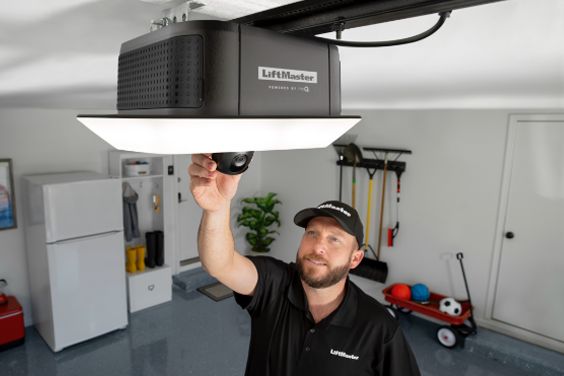
When breaking down installation pricing, it’s not just about the door itself—it’s about how each component performs under load, frequency, and local environmental conditions. Costs in 2026 are increasingly tied to system durability, not just upfront materials. That shift is changing how garage door installation is priced across residential properties.
Core Pricing Components
Most installation quotes are built around four main cost layers:
- Door material and insulation level
- Hardware system (springs, tracks, rollers)
- Labor complexity and installation time
- Opener integration and electrical setup
Steel insulated doors with polyurethane cores now dominate residential installs due to their R-values ranging from R-12 to R-18. These reduce heat transfer and improve indoor temperature stability, especially in attached garages. However, they also increase material costs by 20–35% compared to non-insulated doors.
Labor And Structural Complexity
Labor costs are no longer flat. Installations requiring structural adjustments—such as uneven framing, header reinforcement, or track realignment—can increase labor time by 30–50%.
Key labor factors include:
- Door weight (typically 180–320 lbs for double doors)
- Ceiling height and track configuration
- Removal of existing system
- Electrical access for opener systems
Cost Overview Table (2026 Estimates)
|
Component
|
Typical Range (USD)
|
Notes
|
|
Standard Steel Door
|
$800 – $1,500
|
Non-insulated, lower durability
|
|
Insulated Steel Door
|
$1,200 – $2,800
|
Higher energy efficiency
|
|
Torsion Spring System
|
$200 – $500
|
Based on cycle rating
|
|
Smart Opener Installation
|
$300 – $900
|
WiFi + sensor calibration
|
|
Labor (Standard Install)
|
$400 – $1,200
|
Depends on complexity
|
|
Full Installation (Average)
|
$1,800 – $4,500
|
Typical residential range
|
What Drives Costs Up
Certain factors consistently increase project pricing:
- High R-value insulation upgrades
- Smart home integration (WiFi, app control)
- Reinforced tracks for heavy doors
- Weather sealing systems and bottom rubber upgrades
Labor, Permits, And Timeline Expectations For Local Installations
Installation Timeframes And Work Phases
Typical Installation Flow
- Removal of existing door and hardware (45–90 minutes)
- Track alignment and mounting system setup (60–120 minutes)
- Panel installation and spring tensioning (60–120 minutes)
- Opener integration and sensor calibration (45–90 minutes)
Permit And Code Requirements
Permit requirements vary, but many residential installations fall under minor structural modification categories. However, local code compliance still impacts cost and scheduling.
- Structural framing adjustments
- Electrical work for opener systems
- Wind-load compliance for reinforced doors
Labor Cost Drivers
Common labor cost variables include:
- Ceiling height above 10 feet requiring extended tracks
- Heavier insulated doors requiring reinforced mounting brackets
- Tight garage clearances limiting installation angles
- Replacement vs new installation (new builds often cost less)
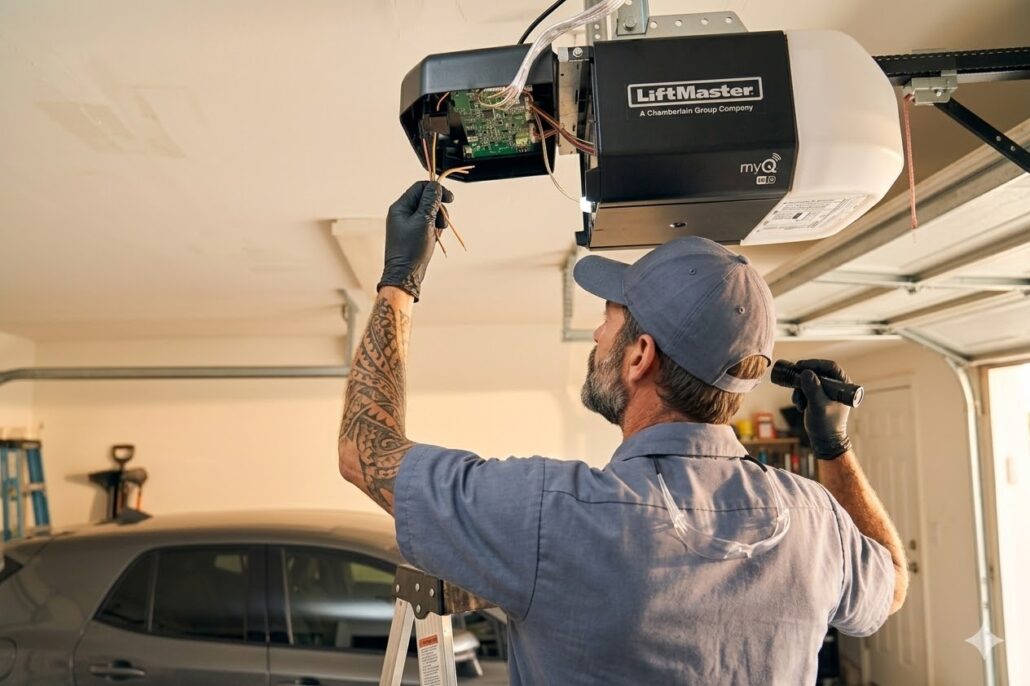
Smart Features And Automation Costs In New Door Systems 2026
What Smart Systems Actually Include
Core Smart Features
- WiFi-enabled openers with mobile app control
- Real-time door status alerts and activity tracking
- Battery backup systems for power outages
- Motion-detection lighting and security alerts
Cost Breakdown For Smart Integration
Additional cost factors:
- Wiring and electrical routing adjustments
- Compatibility with existing home automation platforms
- Sensor calibration and testing time
Performance And Efficiency Gains
Data from 2026 shows:
- 22% reduction in service calls for smart-enabled systems
- 18–25% longer opener lifespan due to adaptive force control
- Faster diagnostics when issues arise
Installation Considerations
Key installation focus areas:
- Stable WiFi connectivity inside the garage
- Proper sensor positioning at floor level
- Clean wiring paths to prevent signal interference
Garage Door Installation Bethel Park PA Pricing Breakdown Explained
What Affects Total Project Cost
Primary Cost Drivers
- Door size and weight (single vs double, typically 130–320 lbs)
- Insulation type and R-value performance
- Spring system cycle rating (10k vs 20k+)
- Opener type (belt, chain, or smart system)
Average Pricing Ranges In 2026
- Basic non-insulated installation: $1,500 – $2,200
- Mid-range insulated systems: $2,200 – $3,500
- High-end smart integrated systems: $3,500 – $5,500
Hidden Costs Homeowners Overlook
Common overlooked costs:
- Track replacement due to misalignment
- Electrical upgrades for opener systems
- Weather sealing and insulation gaps
- Disposal of old door materials
Cost vs Long-Term Value
Lower upfront pricing often leads to higher maintenance costs. Systems with lower cycle springs or minimal insulation tend to require more frequent repairs.
- High-cycle springs can last 2–3 times longer
- Insulated doors reduce energy loss by up to 20% in attached garages
- Smart systems reduce diagnostic time and repair frequency
Common Mistakes That Increase Installation Costs And Delays
Misalignment And Improper Balancing
One of the most frequent issues is improper track alignment and spring balancing. When tracks are even slightly off, the door doesn’t distribute weight evenly. That creates uneven tension across the torsion system, increasing wear on rollers and cables. Over time, this leads to noisy operation, higher resistance, and unnecessary strain on the opener motor.
Choosing Low-Cycle Components
Overlooking Structural Preparation
Key Cost-Increasing Mistakes
- Skipping pre-install inspection and measurements
- Choosing non-insulated doors in attached garages
- Using incompatible opener systems for door weight
- Ignoring weather sealing and bottom seal upgrades
Electrical And Smart System Oversights
How To Choose The Right Setup And Who To Hire Locally
Selecting the right setup depends on aligning door weight, insulation performance, and opener capacity with actual daily use. Attached garages benefit from insulated systems (R-12 to R-18), while high-cycle torsion springs withstand frequent use without premature fatigue. Mismatched components often lead to excess strain and premature wear.
Key priorities when hiring:
- Verified experience with complete system installations
- Transparent pricing with clear component breakdown
- High-cycle hardware and a properly calibrated setup
Service Information & Answers
Most standard setups are completed within 3 to 6 hours, depending on door size, structural condition, and the integration of the opener. Additional time may be required if framing adjustments or electrical work are involved. Proper calibration of springs and sensors is critical and should never be rushed, as it directly affects long-term performance.
Material type, insulation level, door size, and hardware quality are the main cost drivers. Heavier insulated doors require stronger spring systems and more labor time. Smart-home integration and structural adjustments can also increase prices, especially in older properties with uneven framing or outdated electrical access.
Insulated systems help reduce temperature transfer, especially in attached garages. This improves indoor comfort and can reduce energy loss by 15–20%. They also operate quieter and place less strain on mechanical components, which can extend the lifespan of both springs and opener systems.
Routine maintenance is recommended every 12 months. This includes checking spring tension, lubricating moving parts, and inspecting tracks and rollers for wear. High-cycle systems typically require less frequent replacements, but regular inspections help prevent unexpected failures and maintain smooth operation over time.
No, standard systems operate without connectivity. However, smart features improve convenience and allow real-time monitoring, alerts, and remote control. They also assist with diagnostics, helping identify issues earlier and reducing downtime when maintenance or adjustments are needed.