
Steel vs Wood vs Aluminum Options Compared for 2026 Homes
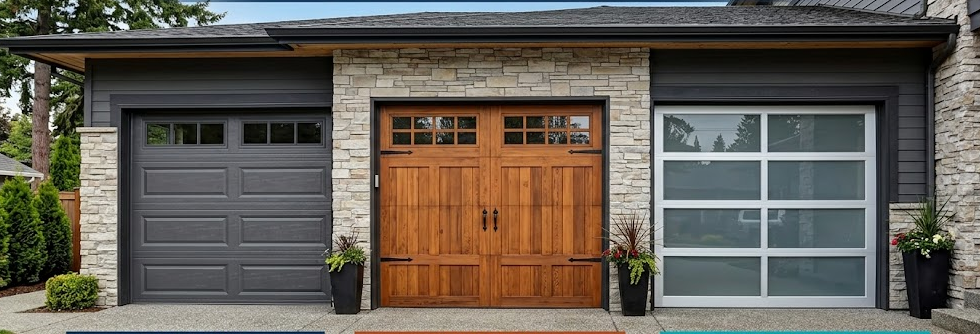
Steel Garage Doors: Strength Meets Efficiency
Wood Garage Doors: Aesthetic with Trade-Offs
Aluminum Garage Doors: Lightweight and Modern
Quick Material Comparison
- Steel → Best balance of strength, insulation, and cost
- Wood → High-end appearance, higher maintenance, heavier load
- Aluminum → Lightweight, corrosion-resistant, lower durability
Performance Metrics Table
|
Material
|
Avg Weight
|
Lifespan (Years)
|
Insulation Range
|
Maintenance Level
|
|
Steel
|
130–250 lbs
|
15–30
|
R-6 to R-18
|
Low
|
|
Wood
|
250–400 lbs
|
15–25
|
R-3 to R-9
|
High
|
|
Aluminum
|
100–180 lbs
|
10–20
|
R-2 to R-6
|
Low–Moderate
|
Key Takeaways for Material Selection
- Heavier materials require stronger torsion systems and opener capacity
- Insulated doors reduce energy loss by up to 20–25% in attached garages
- Lightweight doors reduce mechanical strain but may compromise durability
How Climate and Moisture Levels Affect Door Material Performance
Temperature Fluctuations and Material Expansion
- Drive systems (belt, chain, or screw drive openers)
- Rollers and hinges
- Spring tension balance
Moisture and Humidity Impact
Common Climate-Related Issues
- Increased friction due to expansion
- Sensor misalignment from track movement
- Spring tension imbalance caused by weight changes
- Panel warping in high humidity conditions
Performance Data Overview
Condition | Impact on Steel | Impact on Wood | Impact on Aluminum |
High Heat | Expansion | Drying/cracking | Minimal impact |
Cold Temperatures | Contraction | Brittle risk | Minor contraction |
High Humidity | Rust risk | Swelling | Corrosion resistant |
Moisture Exposure | Surface wear | Warping | Stable |
Key Considerations Before Installation
- Proper weather sealing and insulation reduce exposure
- Correct spring calibration accounts for seasonal weight changes
- Reinforced tracks help maintain alignment under expansion stress
Durability and Maintenance Factors That Impact Long-Term Reliability
How Material Affects Wear Patterns
Component-Level Durability Matters
- Spring cycle rating (10,000 vs 20,000+ cycles)
- Roller type (nylon vs steel bearings)
- Track thickness and reinforcement
- Cable gauge and drum compatibility
Maintenance: The Difference Between 10 and 20 Years
What Drives Long-Term Reliability
- Balanced door weight reduces opener strain
- High-cycle springs extend system lifespan
- Proper alignment minimizes friction and resistance
- Regular inspections catch early wear before failure
Insulation Ratings and Energy Efficiency Considerations in 2026
Understanding R-Value and Thermal Performance
- Non-insulated (R-0 to R-2)
- Moderate insulation (R-6 to R-9)
- High-performance insulation (R-12 to R-18+)
Why Insulation Matters More Than You Think
Structural Benefits of Insulated Doors
Key Energy Efficiency Considerations
- Attached garages benefit most from high R-value doors
- Insulated doors reduce temperature fluctuation by up to 15–20°F
- Multi-layer construction improves both durability and performance
- Proper sealing around edges prevents air leakage
Garage Door Installation Monroeville PA Material Choices for Local Properties
Regional Factors That Influence Performance
Matching Materials to Property Needs
Key Local Considerations
- Seasonal temperature changes impact material expansion
- Moisture exposure affects durability and maintenance needs
- Insulation is critical for attached garages
- Reinforced components improve long-term performance
Cost Differences and Lifespan Expectations Across Material Types
Upfront vs Long-Term Value
What Impacts Total Cost
- Material type and construction layers
- Insulation level and reinforcement
- Hardware quality and cycle rating
- Installation precision and calibration
- Frequency of daily operation
Cost vs Performance Balance
How a Professional Can Help Choose the Right Garage Door Materials
Service Information & Answers
The right choice depends on usage, climate exposure, and structural setup. Heavier doors require stronger spring systems, while insulated options improve efficiency in attached garages. Steel is often selected for durability, while lighter materials reduce strain on openers. The key is matching material performance with daily operation demands.
Lifespan is influenced by cycle rating, material quality, and maintenance. Standard systems last around 10–15 years, while high-cycle setups can extend beyond 20 years. Proper balance, alignment, and periodic servicing play a major role in preventing early wear and maintaining consistent operation over time.
Yes, insulation helps regulate temperature, reduce noise, and improve structural rigidity. In attached garages, it can lower energy transfer into living spaces. Insulated doors also operate smoother due to reduced vibration, which minimizes stress on internal components and extends overall system lifespan.
Premature wear is usually linked to imbalance, incorrect spring tension, or mismatched opener capacity. When the system isn’t properly calibrated, components like rollers, cables, and motors carry excess load. Over time, this leads to increased friction, noise, and frequent breakdowns.
If the door has repeated mechanical issues, structural damage, or outdated components, replacement is often more cost-effective long term. Repairs can extend usability, but when multiple parts are failing, a new system provides better reliability, improved efficiency, and fewer service interruptions.