
A1 Garage Door Logo 1

Best Insulated Doors For Garage Door Installation Uniontown PA in 2026

    Garage doors aren’t just entry points—they’re thermal barriers, structural components, and daily-use systems that take a beating over time. Choosing the right insulated setup comes down to more than price; it’s about balancing energy efficiency, durability, and performance under constant cycling. Garage Door Installation Uniontown PA projects often hinge on insulation quality, because poor thermal resistance leads to heat loss, increased HVAC strain, and premature hardware wear.

    The key question isn’t whether to insulate—it’s how well the system matches your garage usage and property layout. Insulated doors reduce temperature swings, dampen noise, and stabilize operation in changing weather conditions. When properly selected and installed, they hold up under pressure, reduce energy waste, and keep the system running more smoothly day in and day out.

    2026 Insulation Types And R-Value Ratings Explained
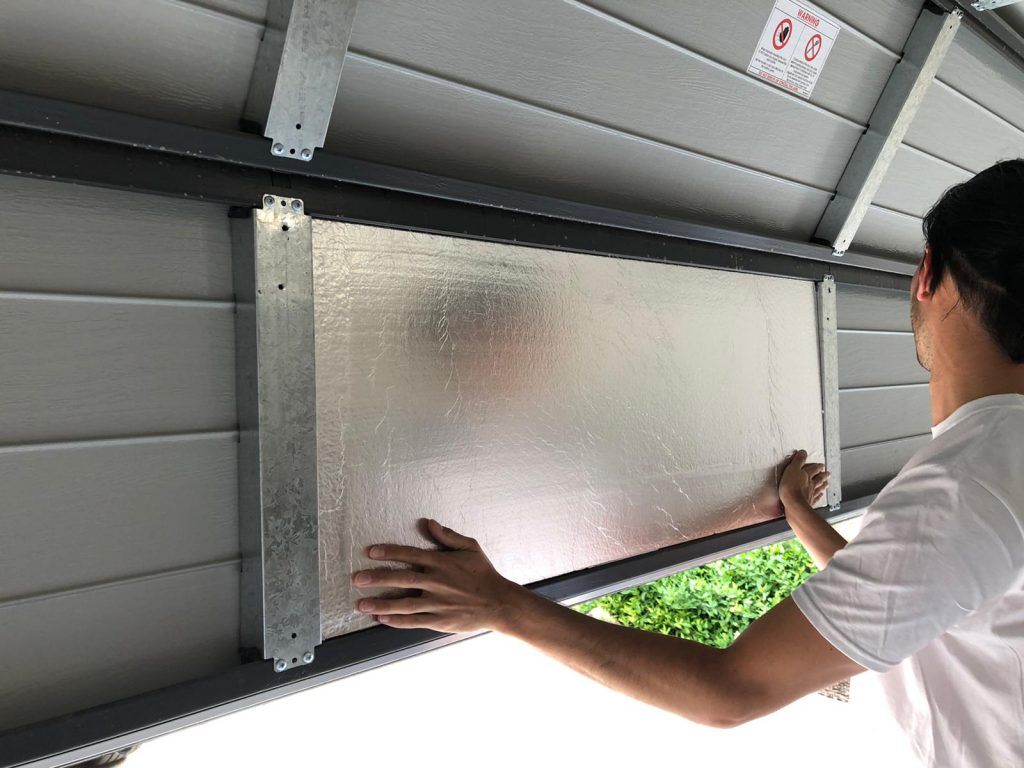
    Insulation isn’t a one-size-fits-all deal. The type of insulation inside a garage door directly affects thermal resistance, structural rigidity, and long-term durability. In colder regions or attached garages, choosing the wrong insulation can quietly drain energy efficiency and increase strain on the system.

    Two primary insulation types dominate the market: polystyrene and polyurethane. They may sound similar, but they perform very differently under real-world conditions.

    Polystyrene insulation is typically inserted as rigid panels between door layers. It provides moderate thermal resistance but leaves small air gaps that reduce overall efficiency. Polyurethane, on the other hand, is injected as foam, expanding to fill every cavity. This creates a tighter seal, higher R-value, and stronger door structure.

    Breaking Down R-Value And What It Really Means

    R-value measures thermal resistance—how well the door resists heat transfer. Higher numbers indicate better insulation, but context matters. A door with R-12 might perform adequately in a detached garage, while attached garages benefit more from R-16 to R-18 setups.

    The difference shows up in everyday performance:
    • Reduced heat loss during winter months
    • Lower temperature fluctuations inside the garage
    • Less strain on HVAC systems in adjacent rooms
    However, chasing the highest R-value without considering door construction can backfire. A poorly built high-R door still underperforms compared to a well-balanced mid-range system.

    Insulation Performance Data And Comparisons

    Insulation Type
    Typical R-Value Range
    Density Level
    Structural Strength
    Noise Reduction
    Polystyrene
    R-6 to R-10
    Medium
    Moderate
    Basic
    Polyurethane
    R-12 to R-18+
    High
    High
    Advanced
    Non-Insulated
    R-0 to R-2
    Low
    Low
    Minimal

    This table highlights a key takeaway: insulation type impacts more than just temperature—it affects how the door feels, sounds, and holds up over time.

    How Insulation Affects Daily Operation

    Insulated doors tend to run smoother and quieter. The added density reduces vibration, which means less wear on rollers and tracks. Over time, this translates into fewer adjustments and longer component life.

    In high-cycle households, where doors open and close multiple times a day, insulation contributes to system stability. It helps absorb mechanical stress instead of transferring it directly to hardware components.

    Choosing The Right Insulation Setup

    When selecting insulation, it’s important to align the door with actual usage patterns. A lightly used detached garage doesn’t need heavy insulation, while a garage connected to living space benefits from higher R-values and denser construction.

    Key considerations include:
    • Frequency of door usage per day
    • Whether the garage is attached or detached
    • Climate impact on material expansion and contraction
    • Desired noise reduction level
    Insulation isn’t just about comfort—it’s about performance under pressure. Choosing the right type ensures the door operates efficiently without unnecessary strain.

    Top Garage Door Opener Brands Performance and Reliability Comparison 2026

    What Defines a Reliable Garage Door Opener

    Reliability in 2026 is measured by consistent motion, stable automation, low vibration, and long service life. A dependable opener maintains force calibration, operates smoothly under load, and withstands repeated daily cycles without overheating. Performance differences between opener brands often come down to motor durability, drive system engineering, and electronic control stability.

    Modern openers must deliver quiet operation while maintaining enough lifting force to handle insulated doors and frequent use. Systems designed with balanced torque, efficient motor cooling, and stable electronics tend to perform more consistently over time.

    Performance Factors That Separate Opener Quality

    Several technical characteristics influence how well an opener performs:
    • Motor efficiency and heat management
    • Gear durability and wear resistance
    • Motion smoothness under load
    • Automation response consistency
    • Vibration control and noise reduction
    Higher-quality systems typically maintain smoother motion and stable force calibration even under frequent use.

    Long-Term Reliability Patterns in Modern Openers

    Service trends in 2026 show that opener durability depends on how efficiently the motor handles repeated cycles. Systems operating within optimal load range experience less friction and heat buildup, improving long-term stability. Reliable openers maintain consistent performance even after years of operation, while lower-performing systems gradually develop slower response and increased noise.

    Key Performance Observations

    Long-term diagnostics highlight recurring reliability indicators:
    • Stable openers maintain consistent motion speed
    • Efficient motors produce less vibration and noise
    • Balanced torque reduces gear strain
    • Improved cooling prevents overheating
    • Smooth drive operation lowers mechanical stress
    These performance traits contribute to smoother operation and longer service life.

    Opener Installation and Performance Consistency

    Even the most advanced opener cannot perform properly if the installation calibration is incorrect. Proper alignment, balanced door weight, and accurate force adjustment ensure the opener operates within its designed limits. When installed correctly, performance remains stable and predictable.

    The Role of Quality Engineering in Daily Reliability

    Reliable opener systems maintain smooth operation without hesitation. Stable motor performance, balanced drive mechanics, and consistent automation response help the garage door operate quietly and efficiently. In 2026, performance differences are less about brand names and more about engineering precision, durability, and long-term stability.

    Steel, Composite, And Double-Layer Door Performance Differences

    Material Choice Impacts Long-Term Reliability

    The material of a garage door determines how it handles weight, insulation, and environmental stress. Steel, composite, and double-layer constructions each bring different strengths to the table, and choosing between them isn’t just a design decision—it’s a performance call.
    Steel doors are widely used due to their durability and cost efficiency. They handle daily wear well and provide solid structural integrity. However, single-layer steel can be prone to temperature transfer if not insulated properly.

    Composite doors combine materials like steel and synthetic overlays. They offer improved insulation compatibility and resistance to moisture-related damage. Double-layer doors add an extra layer of reinforcement, increasing strength and thermal performance.

    Structural Differences That Affect Performance

    Each material behaves differently under load and environmental changes. Steel tends to expand and contract with temperature shifts, while composite materials handle moisture more effectively.

    Double-layer construction enhances rigidity by sandwiching insulation between layers, reducing flex during operation. This added stability improves alignment and reduces strain on tracks and rollers.

    Performance Comparison By Material Type


    Door Type


    Weight Range


    Durability Level


    Insulation Compatibility


    Maintenance Needs


    Single Steel


    130–180 lbs


    Moderate


    Limited


    Low


    Double Steel


    180–250 lbs


    High


    High


    Low


    Composite


    160–240 lbs


    High


    High


    Moderate


    Heavier doors typically require stronger spring systems, which must be calibrated correctly to avoid imbalance. That’s why material choice ties directly into installation quality.

    How Material Affects Noise And Operation

    Heavier, insulated doors tend to operate more quietly due to reduced vibration. Composite and double-layer systems absorb sound better, making them ideal for attached garages.

    Single-layer steel doors, while lighter, can produce more noise during operation, especially if tracks or rollers aren’t perfectly aligned.

    Factors When Selecting Door Material

    • Load capacity and compatibility with spring systems
    • Resistance to environmental conditions like humidity
    • Desired balance between weight and durability
    • Noise reduction expectations
    • Long-term maintenance requirements

    Choosing the right material is about matching performance to real usage. A well-matched door runs smoother, lasts longer, and requires fewer adjustments over time.

    Garage Door Installation Uniontown PA Cost And Efficiency Factors
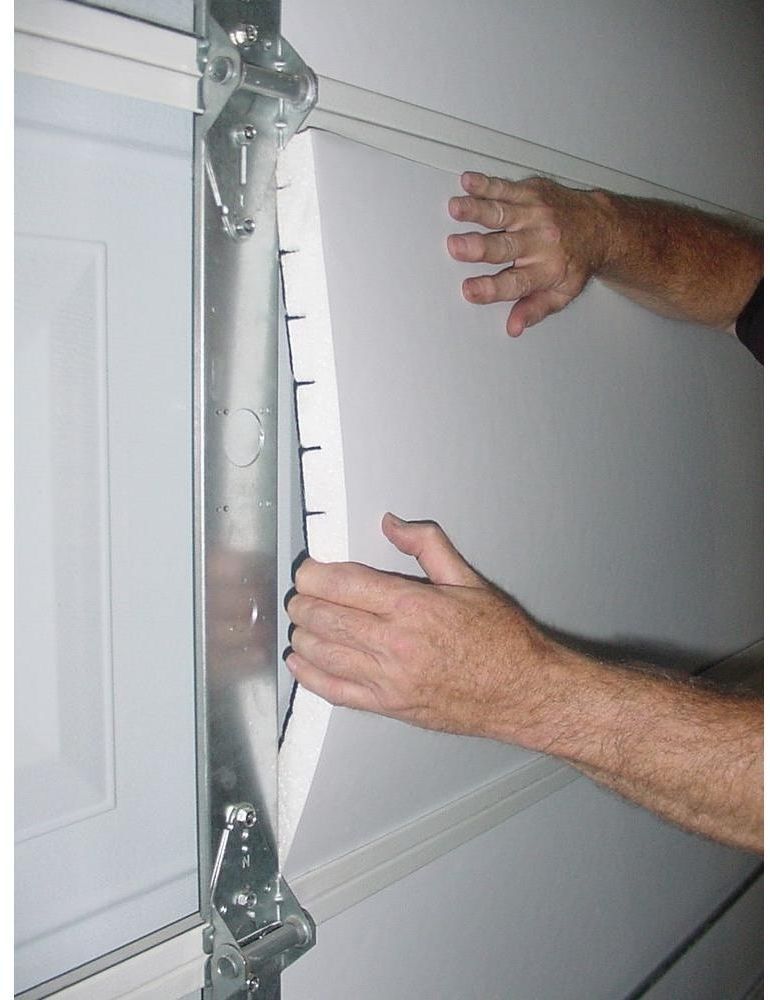
    Cost isn’t just about the door itself—it’s tied to materials, insulation type, hardware quality, and installation complexity. Homeowners often focus on upfront pricing, but long-term efficiency and durability play a bigger role in overall value.

    Insulated doors typically come at a higher initial cost, but they offset that through energy savings and reduced maintenance. The real value shows up over time, especially in properties with frequent usage.

    Key Cost Components To Consider

    • Door material and insulation level
    • Spring system type and cycle rating
    • Opener compatibility and horsepower requirements
    • Labor complexity based on structural conditions
    • Additional hardware like reinforced tracks and rollers

    These elements combine to determine both installation cost and system performance.

    Efficiency Gains That Offset Initial Investment

    Higher-quality insulated doors reduce heat loss, which lowers energy bills. They also minimize wear on mechanical components, reducing repair frequency.

    In many cases, investing in better insulation and hardware upfront leads to fewer service calls and longer system lifespan.

    Cost Vs Performance Data Overview


    Component Type
    Cost Range Impact
    Performance Benefit
    Basic Insulated Door
    Moderate
    Standard thermal resistance
    High-R Insulated
    Higher
    Improved energy efficiency
    High-Cycle Springs
    Moderate
    Extended lifespan (20,000+ cycles)
    Premium Rollers
    Low
    Reduced noise and friction
    Opting for lower-cost materials or skipping insulation often leads to higher expenses down the line. Increased wear, higher energy bills, and frequent adjustments quickly add up.

    Efficiency isn’t just about saving energy—it’s about reducing strain on every part of the system.

    Getting The Most Value From Installation

    Balancing cost and performance means choosing components that match your usage. Investing in insulation, durable materials, and proper calibration ensures the system runs efficiently without constant upkeep. A well-planned installation pays off in smoother operation, lower energy consumption, and fewer surprises over time.

    Energy Savings And Temperature Control In Attached Garages

    An attached garage acts as a buffer zone between outdoor conditions and interior living space. When insulation is weak or missing, that buffer breaks down, allowing heat to escape in winter and build up in summer. This forces HVAC systems to work overtime, increasing energy consumption and long-term costs.

    Insulated garage doors help stabilize indoor temperatures by reducing thermal transfer. The effect is noticeable not only inside the garage but also in adjacent rooms, especially when walls share structural framing. Consistent temperatures reduce strain on heating and cooling systems, which translates into lower utility bills and improved equipment lifespan.

    How Temperature Fluctuations Affect System Performance

    Temperature swings don’t just impact comfort—they affect the mechanical operation of the garage door. Metal components expand and contract, which can alter alignment and increase resistance. Over time, this leads to additional strain on springs, rollers, and openers.

    Insulated doors minimize these fluctuations by maintaining a more stable internal environment. That stability keeps components operating within optimal tolerances, reducing wear and preventing premature breakdown.

    Thermal Efficiency And Energy Control Benefits

    • Reduced heat loss through garage structure
    • Improved temperature consistency in adjacent living areas
    • Lower HVAC workload and energy consumption
    • Decreased risk of condensation affecting hardware
    • More predictable system performance under changing weather

    These benefits add up over time, making insulation a practical investment rather than just an upgrade.

    Long-Term Impact On Utility Costs

    Homes with insulated garage doors often experience measurable reductions in heating and cooling costs. Even moderate insulation levels can cut energy loss significantly, especially in climates with seasonal extremes. Over several years, these savings can offset the initial installation investment.


    When the environment inside the garage remains stable, mechanical components operate under less stress. Springs maintain consistent tension, lubricants perform more effectively, and opener motors don’t have to compensate for added resistance. This results in smoother operation and fewer maintenance issues over time.

    Noise Reduction, Durability, And Daily Usage Impact

    How Insulated Doors Improve Acoustic Performance

    Noise is one of the first things homeowners notice after installation. Insulated garage doors significantly reduce operational sound by absorbing vibration and limiting resonance. The added density of insulated panels dampens movement, resulting in quieter opening and closing cycles.

    This is particularly important in attached garages where noise can travel into living spaces. A quieter system improves overall comfort and reduces disruption during early morning or late-night use.

    Durability Under Repeated Daily Cycles

    Garage doors are high-cycle systems. In many households, they operate multiple times a day, which adds up to thousands of cycles annually. Insulated doors, especially those with reinforced construction, handle this repeated use more effectively than single-layer systems.

    The additional layers provide structural strength, reducing flex during movement. This stability helps maintain alignment and prevents components from wearing unevenly.

    Key Factors That Influence Durability And Usage

    • Door weight balanced correctly with spring tension
    • Quality of rollers and track alignment
    • Frequency of daily operation cycles
    • Environmental exposure such as humidity and temperature
    • Level of insulation supporting structural integrity

    When these factors are properly aligned, the system runs consistently without excessive strain.

    How Insulation Supports Long-Term Reliability

    Insulated doors don’t just reduce noise—they improve the overall feel of operation. The door moves more smoothly, with less vibration transferred to hardware components. This reduces wear on hinges, rollers, and tracks, extending the lifespan of the entire system.

    While design and finish matter, long-term performance depends on how well the door handles everyday use. A system that operates quietly and consistently requires less maintenance and provides a better overall experience. Investing in durability upfront ensures the door continues to perform reliably, even under frequent use.

    Common Mistakes When Selecting Insulated Garage Doors
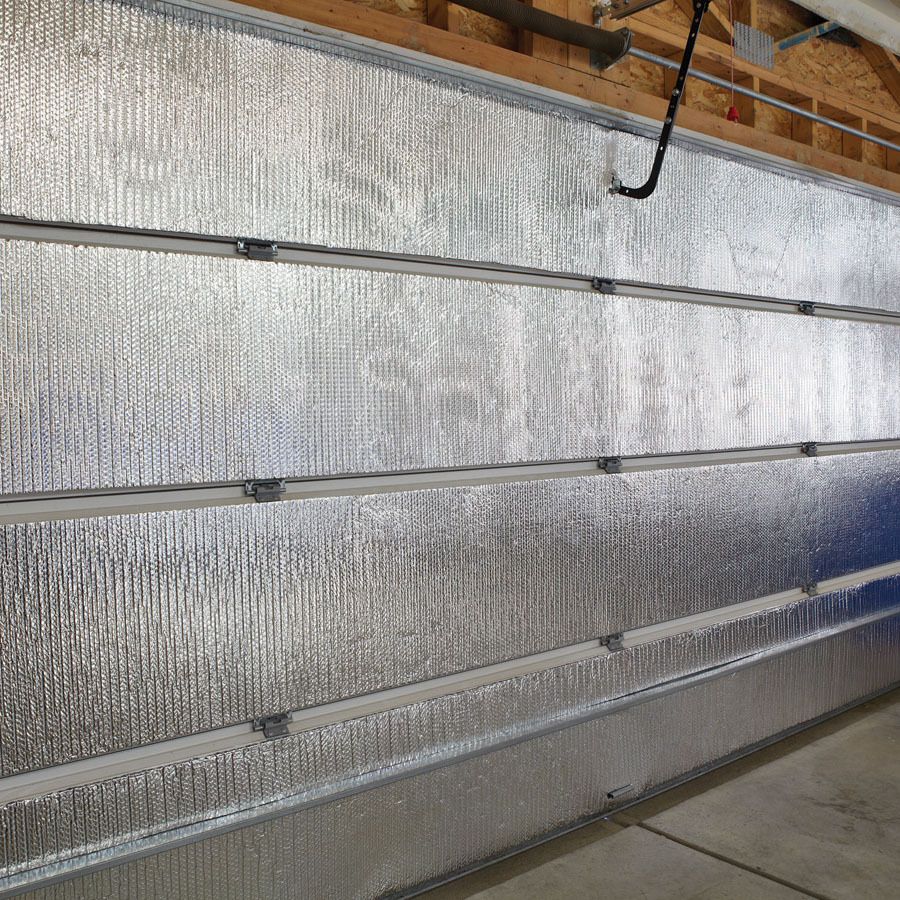
    Choosing an insulated garage door in Uniontown involves more than picking a style or price point. Many decisions are made based on surface-level factors, which can lead to mismatched systems and reduced performance over time.

    One of the most common mistakes is focusing solely on insulation rating without considering overall door construction. A high R-value doesn’t guarantee durability or proper operation if the door lacks structural support.

    Frequent Selection Errors That Impact Performance

    • Choosing an insulation type without considering the garage usage
    • Ignoring the door weight and its impact on spring calibration
    • Overlooking compatibility with existing opener systems
    • Prioritizing low upfront cost over long-term durability
    • Skipping the evaluation of track and hardware quality

    These issues often lead to increased maintenance, noise, and reduced system lifespan.
    When door weight, spring tension, and opener capacity aren’t aligned, the system compensates by working harder. This results in increased wear on mechanical components and a higher likelihood of breakdowns. Proper selection ensures that all parts of the system work together rather than against each other.

    The Importance Of Looking Beyond Initial Cost

    Lower-cost options can be appealing, but they often come with trade-offs in material quality and performance. Over time, these compromises show up as repair costs and reduced efficiency.

    Balancing cost with performance leads to better long-term value and fewer unexpected issues.

    Avoid Costly Selection Mistakes

    Taking the time to evaluate insulation type, material, and system compatibility helps prevent common pitfalls. A well-informed decision results in a garage door that performs efficiently, operates smoothly, and lasts longer without frequent adjustments.

    How To Choose The Right Setup For Long-Term Performance

    Long-term performance comes down to how well the entire system is put together. Insulation, door material, spring tension, and opener capacity all need to work in sync. If one part is off, the whole system feels it—more noise, more strain, and more wear over time.

    The right setup starts with matching the door to daily usage. Heavier insulated doors need properly calibrated springs and a compatible opener to avoid overloading. When everything is aligned, the door runs more smoothly, stays balanced, and requires fewer adjustments down the line.

    Cutting corners at this stage often leads to ongoing issues and higher maintenance costs. Getting it right up front keeps things running without hiccups. Contact A1 Garage Door Repair Service if you need a properly planned and installed system that holds up under daily use.
    Frequently Ask Questions

    Service Information & Answers

    Insulated garage doors reduce heat transfer between the garage and outdoor environment, helping maintain more stable indoor temperatures. This is especially important for attached garages where temperature shifts impact adjacent living spaces. By limiting energy loss, the system reduces HVAC workload and improves overall efficiency, which can lead to lower utility costs over time.

    The right R-value depends on how the garage is used. For detached garages, moderate insulation may be sufficient, while attached garages benefit from higher R-values for better thermal control. A balanced approach is key—choosing insulation that matches usage patterns ensures efficient performance without unnecessary cost or added weight.

    Yes, insulated garage doors significantly reduce noise. The added density helps absorb vibration and limits sound transfer during opening and closing cycles. This results in smoother and quieter operation, especially in garages connected to living spaces where noise can travel indoors.

    Insulated doors tend to last longer due to their reinforced structure. The added layers improve durability and reduce flex during operation, which minimizes wear on components like hinges, rollers, and tracks. This leads to more consistent performance and fewer maintenance issues over time.

    Before installation, it’s important to evaluate garage usage, door weight, insulation needs, and compatibility with existing systems. Structural condition, proper measurements, and correct spring calibration all play a role in long-term performance. Addressing these factors early ensures the system operates efficiently and avoids unnecessary adjustments later.