
A garage door that starts to close, then goes back up, can make a normal day feel harder. You may press the button again and again, but the door still refuses to stay down. When this keeps happening, a service like garage door opener installation Monroeville PA can help when the old opener no longer reads the door the right way.
A reversing door does not always mean the opener is dead. The issue may start with the sensors, tracks, rollers, springs or settings. Still, the opener can also wear out and misread normal door movement. A1 Garage Door Repair Service helps homeowners in Monroeville PA find the cause before the problem turns into a daily fight with the door.
Start With Why The Door Keeps Reversing
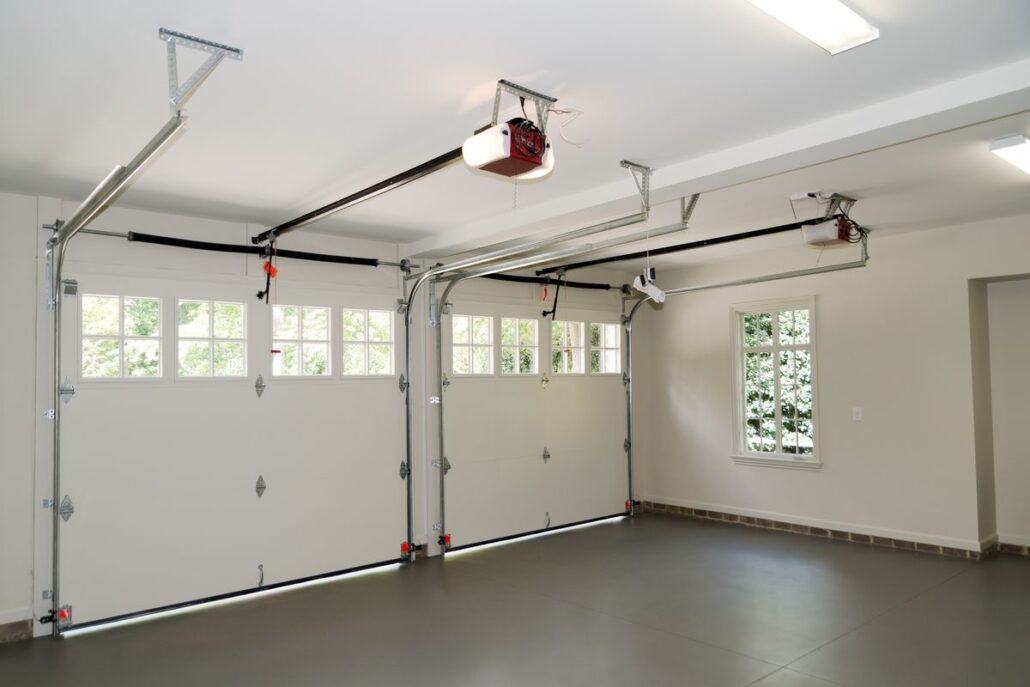
A garage door opener has safety parts that stop the door when something blocks its path. This helps protect people, pets, cars and stored items. But the same system can also stop the door when nothing is really in the way. That is why a reversing door needs a full check, not a fast guess.
The cause may come from one small part or from several parts working badly together. Dirty opener sensors can block the safety beam. A bent track can make the rollers drag. Weak springs can make the door too heavy for the motor. Poor force or travel settings can also make the opener think the door has hit something.
A worn garage opener can make the issue worse. Older motors and controls may react late or stop at odd times. The door may close fine in the morning, then reverse at night. When the same issue keeps coming back, the whole system needs a careful look.
Check The Sensors Before Replacing Parts
Sensors sit near the bottom of the door tracks. They send a light beam across the door opening. If the beam breaks, the opener should stop the door and send it back up. This is a simple safety feature, but it can cause big daily trouble when the parts get dirty or move out of line.
Dust, spider webs, mud and water spots can cover the sensor lenses. A trash can, bike tire or broom can bump a sensor and shift it just enough to break the beam. Loose wires can also cause the opener to read a false block. Many openers use blinking safety lights to show that the sensors need help.
Before anyone replaces the opener, the sensor area should get checked first. Simple signs can point to the source of the problem:
- Dirty lenses: Dust or grime can block the safety beam.
- Poor aim: One sensor may no longer face the other one.
- Loose wires: A weak wire can stop the signal.
- Blocked paths: Boxes, leaves or tools may sit in the beam.
If the lights still blink after the path is clear, the sensors may need service. A newer opener can still fail if the sensors sit wrong. Good sensor setup helps the opener close the door safely and with less stress.
Look For Track Problems That Interrupt Closing
The door needs a smooth path from top to bottom. If the track bends, shifts or loosens, the opener may feel extra strain. The motor may then think the door has hit something. This can make the door stop and reverse even when the floor is clear.
Small track problems can hide well. A door may open without much trouble but fail while closing. You may hear scraping, shaking or popping. One side of the door may look lower than the other side. A loose bracket can also let the track move during each cycle, which can affect door alignment.
Small items can cause the same issue. A screw, stone, leaf pile or broken roller piece can sit in the track and stop smooth travel. Roller drag can also make the door harder to move. If the opener keeps forcing the door through these problems, the motor can wear faster.
Review The Opener’s Force And Travel Settings
The opener has settings that tell it how far the door should move and how much force it should use. If the close limit sits too low, the opener may push the door into the floor. The opener then senses pressure and sends the door back up. This can look like a sensor problem, even when the sensors work well.
Force settings also matter. If the force sits too low, the opener may reverse when the door meets normal friction. If the force sits too high, the door may become less safe. The goal is not to make the motor push harder than it should. The goal is to help the opener read the door’s true movement.
These settings need a careful hand. A door that reverses at the same spot each time may have a travel limit issue. A door that reverses at random spots may have track drag, bad rollers, poor balance or opener wear. This is why setting changes should happen with a full door check.
Test Door Balance Without Relying On The Motor
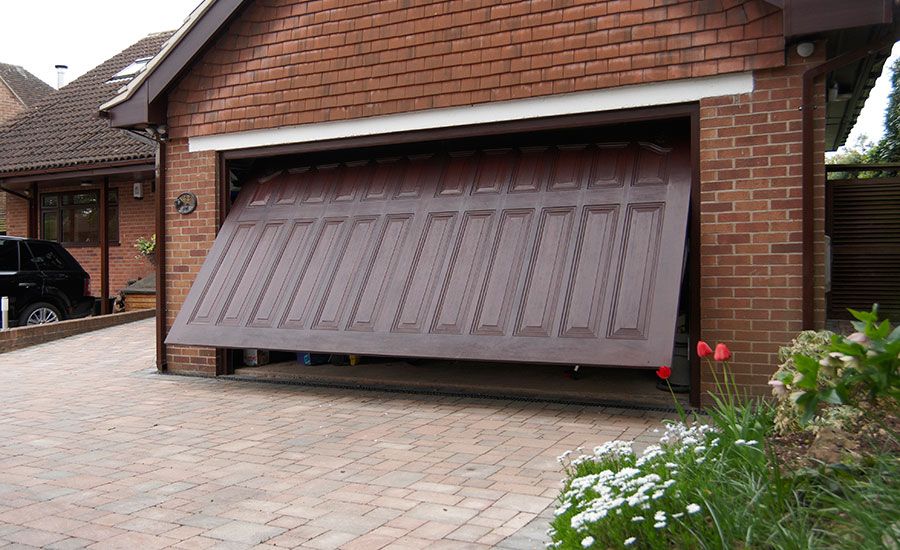
The opener should guide the door. It should not carry the full weight of the door by itself. Springs help lift and hold the door. When the balance is off, the door can feel too heavy. The opener then works harder with every open and close cycle.
A door with poor balance may drop fast, rise unevenly or refuse to stay halfway open. It may also shake or pull to one side. These signs can make the opener reverse because the motor feels too much strain. A new opener may still struggle if the door itself has a balance problem.
A balance test often starts by disconnecting the opener and moving the door by hand. Still, garage doors are heavy. Springs also hold strong tension. Homeowners should not adjust springs without the right tools and training. If the door feels heavy, the opener may not be the only part that needs work.
Replace Aging Openers That Misread Normal Movement
Some openers keep reversing because they are old. The motor may weaken. The circuit board may fail. The controls may work one day and stop the next. The opener may also lose the steady response it once had.
Older openers often show patterns before they stop working. The door may pause before moving. The remote may need several presses. The wall button may work better than the keypad. The motor may sound strained even when the door looks clear. These small signs can point to a system that no longer reads movement well.
Aging openers may also lack the better lights, access tools and alerts that many homes use now. Some systems make the garage feel dark or hard to manage. Others have weak range or old controls. At that point, opener repair may help for a short time, but replacement can make more sense if the same fault keeps coming back.
Consider A New Opener When Repairs Keep Repeating
A repair can help when one clear part causes the issue. A sensor may need alignment. A bracket may need tightening. A setting may need a small change. But if the door keeps reversing after several fixes, the bigger problem may sit inside the opener or in the way the whole system works together.
Repeated repairs can also cost time. You may get a few good days, then the door starts acting up again. This can make mornings stressful and leave the garage open when you need it closed. A new opener may be a better choice when the old system no longer gives steady use.
A technician should still inspect the door before any opener installation. The tracks, springs, rollers, cables and sensors should support the new motor. If the door has other issues, those problems need care too. A good setup helps the new opener work with less strain.
Notice Patterns During Weather Changes
Weather can make garage door issues show up more often. Cold air can make parts stiff. Moisture can coat sensor lenses. Wind can push leaves or small items into the sensor path. Temperature shifts can also make metal parts move a little.
This does not mean weather causes every problem. In many cases, weather only makes a weak part easier to notice. A door that reverses more in cold months may have roller drag or force-setting trouble. A door that acts up after rain may have sensor or wiring issues.
Try to notice when the problem happens. Does it happen in the morning? Does it happen after rain? Does it happen only when the garage is cold? These patterns can help a technician find the right fix faster.
Improve Lighting And Access Around The Door
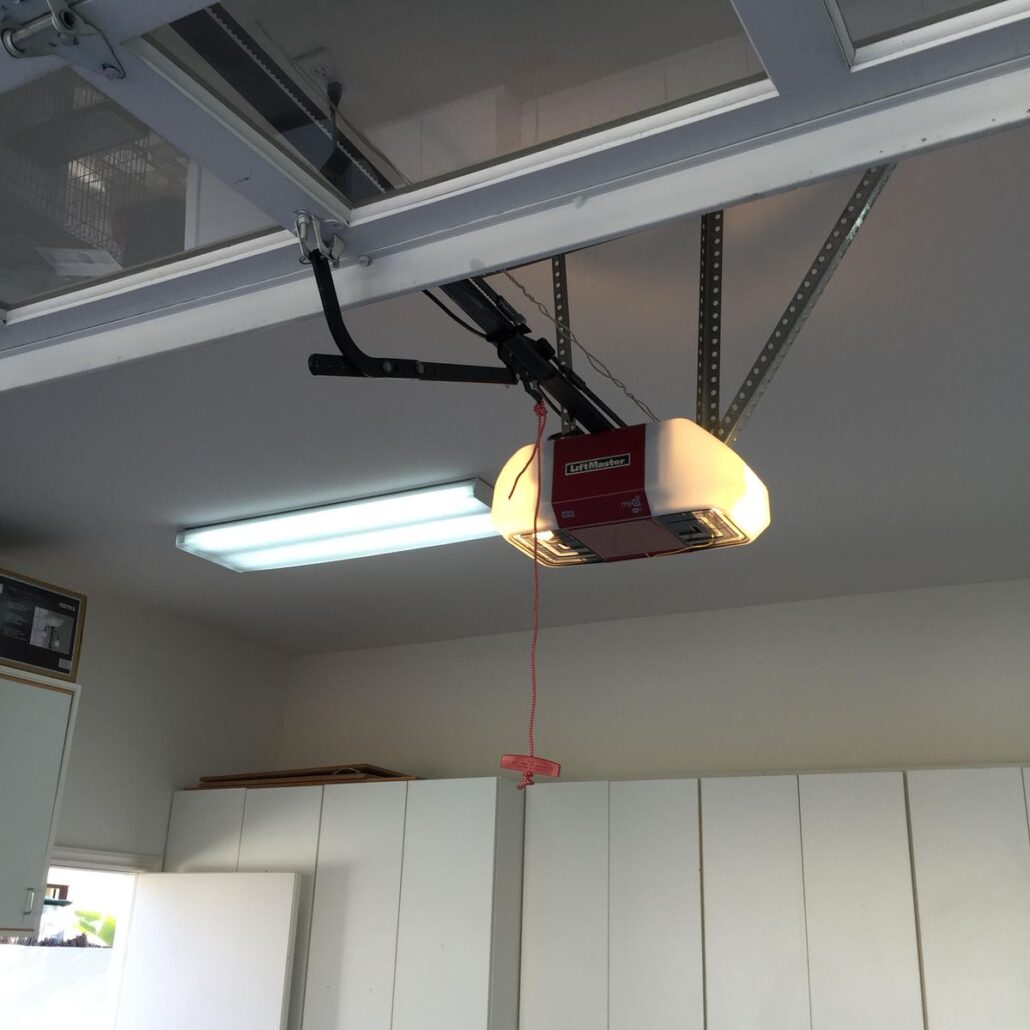
A garage door opener should make the garage easier to use. Good lighting helps you see boxes, tools, pets and bikes near the door. A clear wall control makes the door easier to close from inside the garage. A well-placed keypad helps with safe garage access from outside.
Poor access can make the door area feel rushed and unsafe. If you have to press the remote many times, stand too close to the door or walk through a dark garage, the opener is not helping daily life enough. A new system can improve more than door movement.
During opener replacement, homeowners can ask about light strength, keypad location, remote range and wall control options. These details may seem small, but they matter during early mornings, late nights and busy family routines.
Add Smart Alerts For Closing Problems
Modern openers can include app alerts and remote checks. These smart controls can tell you if the door stays open. Some systems let you check the door from work, school or a store. This can help if you often worry about whether the garage closed.
Smart alerts do not fix a bad track or weak spring. They also do not replace sensor testing. But they can help you catch closing problems sooner. If the door fails to close, you may get a notice instead of finding the garage open later.
For homes with many drivers, smart access can also make daily use easier. Parents, guests or relatives may need entry at different times. Some systems allow temporary codes or activity checks. This gives the home more control without leaving extra remotes in cars.
Keep Safety Features Strong During Installation
A good installation should include more than a new motor on the ceiling. The safety parts should also get tested. The sensors should sit at the right height. The auto-reverse feature should work the right way. The manual release should move well, and the homeowner should know how to use it.
These checks matter because a garage door is heavy. It moves over cars, pets, storage and people. Strong garage safety depends on the opener, sensors, springs, rollers, tracks and controls all working together. If one part fails, the door can become hard to trust.
A trained installer can also check the door during setup. If the door drags or hangs unevenly, that issue should not get ignored. The best opener will work better when the door moves smoothly and safely from the start.
Restore A Closing Routine That Feels Predictable
A garage door should close when you press the button. It should not send the door back up again and again. When the opener keeps reversing, it can delay work, school, errands and simple home tasks. It can also make the garage feel less secure.
The right fix starts with the real cause. Sensors, tracks, rollers, force settings, travel limits, door balance and opener wear can all make the same problem appear. That is why a full check gives better answers than guessing at one part.
A1 Garage Door Repair Service helps homeowners in Monroeville, Pennsylvania deal with opener problems in a practical way. When small fixes no longer hold, a new opener can help restore a smoother closing routine, safer use and better control over daily garage access.
Frequently Ask Questions
Service Information & Answers
Your opener may think something blocks the door. Dirty sensors, poor alignment, track drag, bad settings or balance issues can cause this problem.
Not always. Blinking lights often point to dirty lenses, blocked paths, bad aim or wiring trouble. Replacement may help if repairs keep failing.
Yes. Cold weather can make parts stiff. The opener may then feel more strain and send the door back up.
It can become unsafe if the cause gets ignored. The door may have sensor, track, spring or opener issues that need service.
Call when the door keeps reversing, feels heavy, closes unevenly or needs repeated resets. A technician can check the full system.