
A1 Garage Door Logo 1

A Better Opener Setup For Uniontown Families With Multiple Drivers

    A busy home needs a garage door opener that can keep up with the day. Parents leave for work. Kids need rides. Teen drivers come and go. Errands add more trips. When one door handles all of that, the opener has to work hard. A weak system can slow the whole house down.

    If you are planning garage door opener installation Uniontown PA, the setup should fit the way your family uses the garage each day. A1 Garage Door Repair Service helps Uniontown, Pennsylvania, homeowners think through power, controls, access and safety before daily use turns small issues into bigger trouble.

    Start With The Daily Traffic Through The Garage
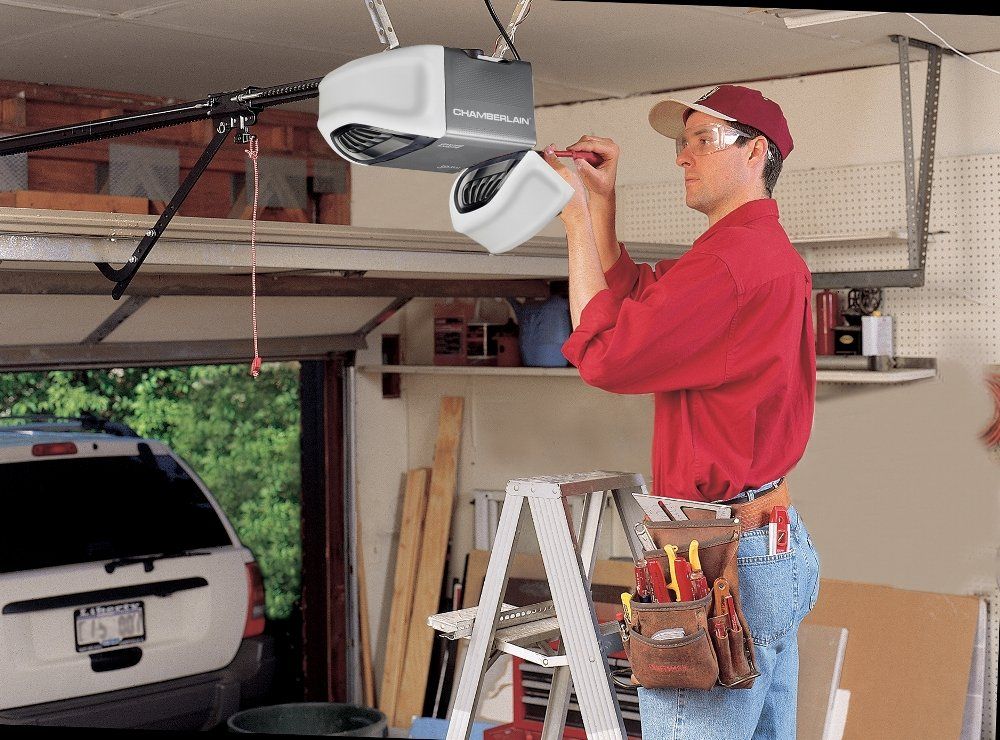
    A garage door in a quiet home may open only a few times each day. A busy home can use it many more times. One person leaves early. Another comes back with groceries. A teen driver may come home from school, work or practice. A child may use the garage to get a bike or sports bag. Each trip adds one more cycle to the opener.

    That much use can wear down an old garage opener. The motor may start slower. The door may shake when it moves. The opener may hum before it lifts. A remote may work one day and fail the next. These signs often show up more in homes with multiple drivers because the system never gets much rest.

    A better opener setup starts with the real daily pattern. The right opener should match the door and the household. A light-use opener may not fit a full home that uses the garage as the main entry point. When the door handles school runs, work trips and errands, the system needs more support.

    Choose Controls That Keep Everyone Moving

    A shared remote can cause stress in a busy home. Someone may leave it in another car. Someone may forget to return it. A driver may sit in the driveway while another person looks for it inside. These small delays can matter during school mornings or work hours.

    Good controls give each person a clear way to use the door. A garage keypad can help family members get in without a remote. A wall station helps from inside the home. A remote control works well for daily drivers. Vehicle buttons can also help when cars have built-in opener controls.

    A busy home may need a mix of access tools, such as:
    • A keypad for family members who walk up to the garage
    • Remotes for regular drivers who park at home
    • A wall station near the inside garage door
    • Mobile access for parents who want door alerts

    Each tool should have a clear job. The goal is not to give everyone every option. The goal is to make garage use simple, neat and safe.

    Use Smart Access Without Sharing Too Many Codes

    Smart access can help a full home, but it should stay under control. One shared code can spread fast. A teen may give it to a friend. A neighbor may use it once and still know it months later. A service worker may get the code for one visit. Over time, no one knows who has access.

    Some smart systems let homeowners set app users, alerts or short-term codes. This can help parents know when the door opens. It can also help when a relative needs to stop by, or when a worker needs entry for a short time. After that need ends, the access can end too.

    Smart access also helps with a common family worry. Many people leave home and ask, “Did someone close the garage?” Door alerts can show if the door stayed open. Some systems allow remote closing through an app. That feature can help a busy family garage where many people use the same door all day.

    Match The Opener To A Busy Door Cycle

    A garage door opener should match the door’s weight and use. A large door needs more power than a small light door. An insulated door may need more support than an older thin door. A home with many daily trips may also need a stronger and smoother system than a home with one driver.

    The drive type matters too. Chain-drive openers often work well, but they can make more noise. Belt-drive openers often run more softly. Some homes may need a different setup based on the door size, garage layout and use. The best choice depends on the whole system, not just the opener box.

    The door should also move well before the opener does the work. If springs are weak, rollers drag or tracks sit out of line, the opener has to work harder. That extra strain can shorten the life of the new unit. A good opener installation should look at the door, hardware and motor as one system.

    Reduce Noise During Early And Late Trips
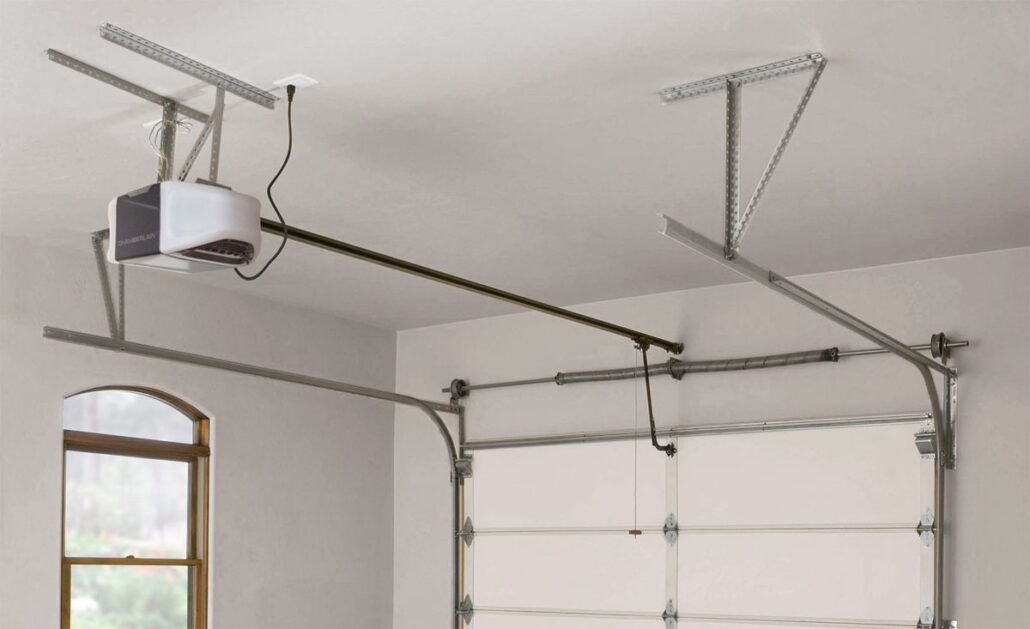
    Noise matters more when people leave at different times. One driver may leave before sunrise. Another may get home after others sleep. If the garage sits under a bedroom or next to a living space, a loud opener can wake people or disturb quiet time.

    The opener is not always the only source of noise. Old rollers can grind. Loose hinges can rattle. The door may shake in the tracks. A worn chain drive can add vibration. These sounds can feel worse in attached garages because the noise travels through the house.

    A quieter setup can help the whole family. A belt-drive opener may reduce sound in many homes. Fresh rollers, tight hardware and smooth door travel can also help. When the opener and door both move well, early and late trips feel less disruptive.

    Add Safety Features For Younger Drivers

    Younger drivers need a garage system that supports safe habits. A garage door is heavy, and it moves near cars, people, pets and stored items. A working safety system helps reduce risk during daily use.

    Photo-eye sensors should stay clean and lined up. If a sensor is blocked or tilted, the door may reverse or refuse to close. Auto-reverse features should also work well. The door should stop or reverse when something sits in its path. Good lighting matters too, especially when a teen driver comes home after dark.

    Families can also build simple habits around garage safety. Younger drivers should wait until the door fully opens before driving in or out. They should also watch the door close before leaving. A keypad should sit in a safe spot, not too close to the moving door. Small habits can make daily use safer.

    Plan For Guests, Deliveries And Short-Term Access

    A full home often needs access for people outside the household. A grandparent may stop by. A neighbor may check on pets. A cleaner, repair worker or delivery driver may need short-term entry. If every visit uses the same family code, access can get hard to manage.

    Controlled entry can make this easier. Some systems allow short-term codes or app access for a set user. This lets the homeowner give access for one visit, one day or one job. It also helps keep the main family code private.

    This kind of setup can also help with packages. Some families use the garage as a safer drop-off area when the system allows it. The key is control. Access should help the home run better without leaving the door open to too many people.

    Fix The Weak Points In Older Garage Systems

    A new opener can help, but it cannot fix every old part by itself. Worn rollers, tired springs and loose tracks can still cause trouble. If the door drags or feels too heavy, the opener may strain every time it lifts.

    These weak points can show up as slow starts, loud movement or uneven lifting. The door may close crooked. It may shake more than it should. It may also reverse when the opener senses too much force.

    Before adding a new opener, the whole system should be checked. This can include springs, rollers, tracks, hinges and balance. Fixing these parts can help the new opener work better from the start.

    Keep Backup Entry Simple During Power Loss
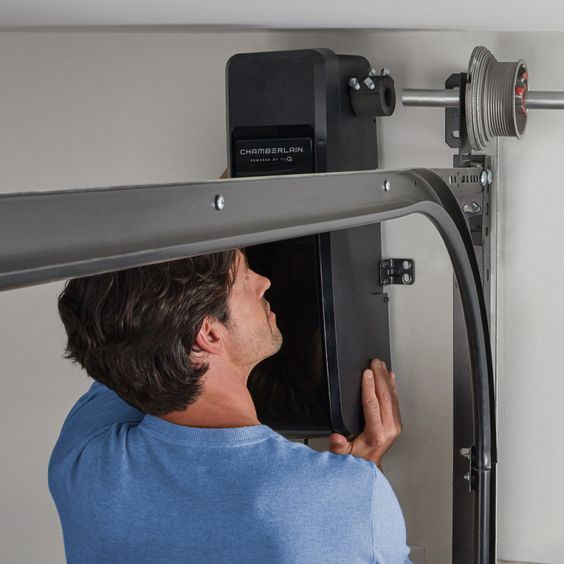
    Power outages can cause real problems for a busy home. A driver may need to leave during a storm. Another person may come home when the power is out. If the garage is the main entry point, the family needs a backup plan.

    The manual release lets a person open the door by hand when power fails. Each driver should know where it is and how it works. The door must also stay balanced because a very heavy door can be hard or unsafe to lift.

    Battery backup can add more help. It lets the opener work for a limited time during an outage. This can help during storms, dark evenings or work mornings when the family cannot wait for power to return.

    Create A Cleaner Setup With Fewer Lost Remotes

    Lost remotes are common in a home with several cars. One remote may stay in a backpack. Another may sit under a car seat. A third may end up in an old vehicle. When the garage depends on small devices, daily use can get messy.

    A cleaner setup can use fewer loose remotes. Vehicle buttons, keypads and app controls can reduce the need to pass remotes around. Parents may use app control. Teen drivers may use a vehicle button and keypad backup. Guests can use short-term access only when needed.

    This kind of plan keeps access clear. Each person knows what to use. The home does not need extra remotes floating around. That can save time and reduce stress during busy parts of the day.

    Check Security Before Everyone Gets A Code

    A garage code should not become a housewide secret that everyone shares. Codes can spread without much thought. A friend may learn it. A worker may keep it. A child may text it to someone. After a while, the family may not know who can open the garage.

    Code habits should stay simple and firm. Change the main code when too many people know it. Use short-term codes when possible. Avoid writing the code where others can see it. Do not leave remotes in unlocked cars outside the home.

    Open-door alerts can also help. If someone leaves the door open, the homeowner can get a notice. Some systems allow the door to close from a phone. For a busy uniontown garage, this can help when people leave at different times and no one knows who used the door last.

    Build A Garage Routine That Fits A Full Household

    A better opener setup should make daily life easier. It should help drivers leave on time, return safely and avoid fights over lost remotes or shared codes. It should also support the way the home really works, not the way a quiet one-car home works.

    For many Uniontown families, that means a stronger opener, quiet movement, smart access, a garage keypad, good lighting and clear safety features. It may also mean fixing old rollers, tracks or springs before the opener takes on daily use.

    A1 Garage Door Repair Service helps Uniontown homeowners choose garage door systems that fit real family routines. With the right setup, the garage can work better for school runs, late shifts, visitors, storms and busy weekends.
    Frequently Ask Questions

    Service Information & Answers

    The best garage opener depends on the door size, door weight, noise needs and daily use. A busy home often benefits from a quiet opener with enough power, smart controls and keypad access.

    Smart access can reduce the need for remotes, but many homes still use both. Phone controls help with alerts and remote use. Remotes or vehicle buttons still help daily drivers open the door fast.

    Separate access can help security when the system allows it. Some smart systems let homeowners add users or temporary codes. This can make it easier to remove access later.

    Frequent use can expose weak parts. The motor may wear out. Springs may lose strength. Rollers may drag. Tracks may shift. The opener may also be too weak for the door.

    A new opener can help reduce noise, especially if the old motor or drive system causes vibration. The door hardware also matters. Rollers, hinges, tracks and springs can all affect sound.