
A1 Garage Door Logo 1

Best Garage Door Opener Brands for Pittsburgh PA 2026

    Real expertise in garage door systems comes from understanding how mechanical force, motor power, and smart control work together over time. Many homeowners ask a simple but important question: which garage door opener brand truly delivers reliability, quiet operation, and long-term performance? In 2026, the answer depends on motor strength, drive design, automation technology, and proper installation calibration. Small differences in opener quality can shape daily reliability, noise level, and lifespan.

    Homeowners researching garage door opener installation Pittsburgh PA often want clarity on which openers perform best, what features matter, and how to choose a system that won’t struggle under daily use. This guide explains modern opener performance trends, compares drive systems, and highlights factors that influence durability, maintenance, and compatibility. From smart automation to motor strength and system balance, understanding these factors helps homeowners select an opener that operates smoothly, responds instantly, and delivers dependable performance year after year.

    Choosing the Right Garage Door Opener in Pittsburgh PA 2026
    Why Opener Selection Matters More Than Ever

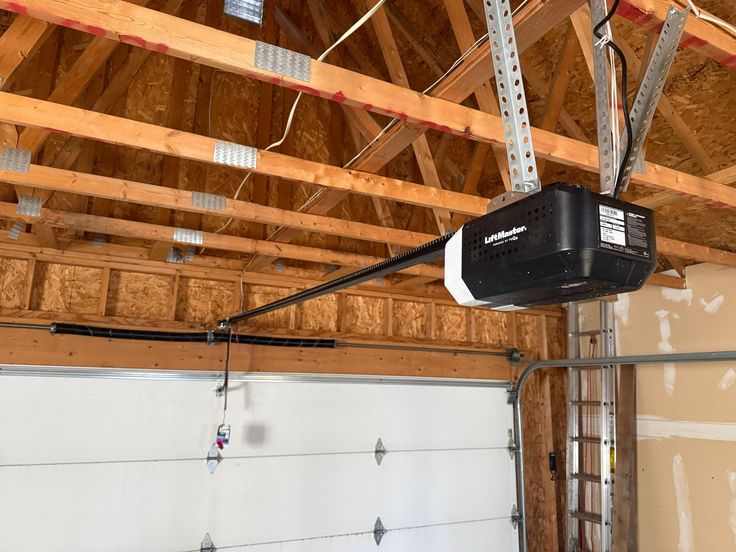
    In 2026, garage door openers are no longer simple lifting devices. They manage motion control, safety calibration, automation, and daily mechanical load. Choosing the right opener is about matching motor strength, drive design, and smart capability with the door’s weight and usage cycle. When the opener is properly matched, the door moves smoothly, quietly, and consistently. When mismatched, the system strains, overheats, and wears faster.

    Homeowners today use garage doors more frequently than ever, often as the main entry point. Increased cycle frequency places steady demand on opener motors, making proper selection critical for long-term reliability. Modern openers must handle repeated operation, maintain stable force calibration, and adapt to environmental conditions without losing performance.

    Key Factors That Influence Opener Performance

    Several core elements determine how well an opener performs over time:

    • Motor horsepower and torque capacity
    • Drive system design and friction level
    • Door weight and balance condition
    • Frequency of daily operation
    • Smart control and automation stability

    When these factors align, the opener runs smoothly without overheating or hesitation. Misalignment between door load and motor capacity often leads to slow response, increased noise, and premature wear.

    Understanding Motor Strength and Door Load

    Motor strength must match the weight and size of the garage door. Heavier insulated doors require more lifting force, while lighter single doors need less torque. Properly matched motors operate within safe limits, reducing strain on gears and internal components. When the opener works within its designed range, it runs cooler, quieter, and more efficiently.

    Long-Term Reliability Starts with Proper Matching

    A properly matched opener reduces mechanical resistance and maintains consistent motion. When force calibration remains stable, the system experiences less vibration, lower friction, and improved balance. This leads to smoother operation and fewer adjustments over time.

    Signs an Opener Is Not Properly Matched

    Homeowners often notice subtle performance issues when motor capacity is insufficient:
    • Slower opening or closing speed
    • Increased vibration during operation
    • Opener motor running hotter than usual
    • Door hesitating at mid-travel
    • Gradual increase in operational noise
    These signs suggest the opener is compensating for load imbalance rather than operating efficiently.

    The Value of Proper Opener Selection

    Selecting the right opener from the beginning helps maintain system balance, reduces mechanical strain, and improves long-term performance. When matched correctly, the opener operates quietly, responds instantly, and supports consistent daily use without stress. Choosing wisely in 2026 means prioritizing compatibility, durability, and smooth performance over short-term convenience.

    Top Garage Door Opener Brands Performance and Reliability Comparison 2026

    What Defines a Reliable Garage Door Opener

    Reliability in 2026 is measured by consistent motion, stable automation, low vibration, and long service life. A dependable opener maintains force calibration, operates smoothly under load, and withstands repeated daily cycles without overheating. Performance differences between opener brands often come down to motor durability, drive system engineering, and electronic control stability.

    Modern openers must deliver quiet operation while maintaining enough lifting force to handle insulated doors and frequent use. Systems designed with balanced torque, efficient motor cooling, and stable electronics tend to perform more consistently over time.

    Performance Factors That Separate Opener Quality

    Several technical characteristics influence how well an opener performs:
    • Motor efficiency and heat management
    • Gear durability and wear resistance
    • Motion smoothness under load
    • Automation response consistency
    • Vibration control and noise reduction
    Higher-quality systems typically maintain smoother motion and stable force calibration even under frequent use.

    Long-Term Reliability Patterns in Modern Openers

    Service trends in 2026 show that opener durability depends on how efficiently the motor handles repeated cycles. Systems operating within optimal load range experience less friction and heat buildup, improving long-term stability. Reliable openers maintain consistent performance even after years of operation, while lower-performing systems gradually develop slower response and increased noise.

    Key Performance Observations

    Long-term diagnostics highlight recurring reliability indicators:
    • Stable openers maintain consistent motion speed
    • Efficient motors produce less vibration and noise
    • Balanced torque reduces gear strain
    • Improved cooling prevents overheating
    • Smooth drive operation lowers mechanical stress
    These performance traits contribute to smoother operation and longer service life.

    Opener Installation and Performance Consistency

    Even the most advanced opener cannot perform properly if the installation calibration is incorrect. Proper alignment, balanced door weight, and accurate force adjustment ensure the opener operates within its designed limits. When installed correctly, performance remains stable and predictable.

    The Role of Quality Engineering in Daily Reliability

    Reliable opener systems maintain smooth operation without hesitation. Stable motor performance, balanced drive mechanics, and consistent automation response help the garage door operate quietly and efficiently. In 2026, performance differences are less about brand names and more about engineering precision, durability, and long-term stability.

    Garage Door Opener Installation Pittsburgh PA Opener Compatibility and Requirements

    Why Compatibility Determines Long-Term Performance

    Opener performance depends heavily on how well it matches the garage door system. In 2026, compatibility involves more than mounting the motor—it includes structural clearance, electrical stability, and balanced mechanical load. When compatibility is correct, the opener works efficiently with minimal strain. When mismatched, the system struggles, leading to noise, vibration, and reduced lifespan.

    Garage door size, weight, and movement pattern all influence opener compatibility. Heavier insulated doors require stronger motors and stable mounting, while lightweight doors need less force but precise calibration.

    Structural Requirements for Proper Opener Installation

    Structural alignment ensures the opener transfers force evenly. Track positioning, mounting bracket stability, and door balance all influence how smoothly the opener operates. If structural alignment is off, the motor compensates by applying extra force, increasing wear and heat buildup.

    Electrical and Power Compatibility

    Modern openers rely on stable electrical supply to maintain consistent performance. Proper voltage, secure wiring, and grounded outlets ensure the opener motor and control system operate reliably. Electrical instability can disrupt automation response and affect motion consistency.

    Key Compatibility Checks During Installation

    To ensure proper opener operation, several conditions must be verified:
    • Door balance and spring calibration
    • Adequate structural clearance for opener placement
    • Stable electrical supply and proper grounding
    • Smooth track and roller movement
    • Correct force and travel calibration
    When these factors align, the opener performs efficiently and maintains consistent motion.

    Installation Timeline and Performance Factors


    Installation Step


    Purpose


    Impact on Performance


    Door balance check


    Ensures even load


    Reduces motor strain


    Structural mounting


    Stabilizes opener


    Improves motion control


    Electrical setup


    Provides steady power


    Prevents signal issues


    Force calibration


    Controls lifting pressure


    Enhances smoothness


    Final testing


    Verifies operation


    Confirms reliability


    Correct compatibility reduces friction, improves motion consistency, and protects internal opener components from excessive strain. Systems installed with proper alignment and calibration operate more quietly, smoothly, and reliably over time.

    Belt Drive vs Chain Drive vs Jackshaft Opener Differences Explained
    Understanding How Drive Systems Shape Performance

    Drive design is the backbone of how an opener transfers motor power into door movement. In 2026, belt, chain, and jackshaft systems each serve different performance priorities—noise level, lifting strength, space efficiency, and long-term durability. Choosing the right drive system ensures the opener operates smoothly under daily use without excessive vibration or mechanical strain.

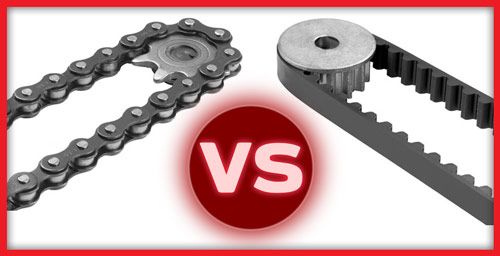
    Belt drive systems use reinforced rubber belts to move the trolley, producing smoother motion and reduced vibration. Chain drive systems rely on steel chains for lifting force, offering strong mechanical performance but generating more noise. Jackshaft systems mount beside the door, turning the torsion shaft directly, eliminating overhead rails and improving space efficiency.

    Performance Characteristics of Each Drive Type

    Each drive design behaves differently under load:
    • Belt drive: Smooth, quiet operation with low vibration
    • Chain drive: Strong lifting capability with higher mechanical noise
    • Jackshaft: Direct drive with stable torque and compact installation

    These differences influence comfort, durability, and system behavior over time.


    Belt drives typically produce less friction and vibration, helping maintain smoother operation over years of use. Chain drives, while slightly louder, offer robust lifting strength and remain dependable for heavier doors. Jackshaft systems distribute force directly through the torsion shaft, reducing rail friction and improving long-term mechanical balance.

    Choosing the Right Drive for Daily Use

    Selecting the correct drive depends on door weight, usage frequency, and noise preference. Systems operating with balanced drive mechanics experience less strain, reduced vibration, and more consistent motion. When matched properly, each drive type can deliver reliable performance under long-term use.

    Maintenance and Wear Patterns

    Drive systems also differ in maintenance behavior. Belt drives require minimal adjustment, chain drives may need periodic tension checks, and jackshaft systems rely on proper torsion shaft calibration. Maintaining alignment and lubrication ensures the drive mechanism continues transferring force efficiently without added resistance.

    Smart Garage Door Opener Features, Connectivity, and Automation Trends

    The Rise of Intelligent Garage Door Systems

    Automation has transformed garage door operation. In 2026, openers integrate smart control, remote monitoring, motion detection, and adaptive force calibration. These features enhance convenience while improving operational precision. Smart systems can monitor door movement, automatically adjust force, and provide real-time status updates, helping homeowners stay informed about their systems.

    Automation trends show increasing reliance on stable connectivity and consistent signal communication. When sensors, opener logic, and smart controls remain synchronized, the system operates smoothly and predictably.

    Most Influential Smart Features in Modern Openers

    Advanced openers now include:
    • Remote control via mobile device
    • Real-time door status monitoring
    • Adaptive force calibration for smoother motion
    • Motion-activated lighting
    • Automatic close and safety alerts

    These features improve daily usability while supporting consistent performance.

    Connectivity and Signal Stability

    Smart openers depend on reliable signal communication between sensors, control boards, and remote devices. When connectivity remains stable, automation functions operate without delay. Interference or signal inconsistency can disrupt response timing and cause performance irregularities.

    Maintaining clean sensor alignment and stable power supply helps preserve consistent automation behavior.

    Long-Term Impact of Automation on Reliability

    Smart systems improve long-term reliability by adjusting force based on door resistance, reducing strain on mechanical components. When automation operates correctly, the opener experiences smoother motion, lower vibration, and improved efficiency. Stable smart control also helps detect irregular behavior early, enabling preventive adjustments before a major failure occurs.

    Opener Lifespan, Maintenance Needs, and Long-Term Reliability Factors

    Garage door opener installation in 2026 is designed for extended service life, but durability depends on usage frequency, mechanical balance, and maintenance consistency. A properly matched and calibrated opener typically operates reliably for many years. When mechanical resistance increases, however, lifespan shortens due to motor strain and gear wear.
    Balanced systems experience less internal friction, allowing motors and drive components to operate within an optimal range.

    Key Factors Influencing Opener Longevity

    Long-term durability depends on:
    • Door balance and spring condition
    • Drive system efficiency
    • Frequency of daily operation
    • Electrical stability and consistent power supply
    • Environmental conditions affecting mechanical tolerance
    When these factors remain stable, the opener operates smoothly with minimal wear.

    Maintenance Actions That Support Long-Term Performance

    Regular attention helps preserve opener efficiency and prevent gradual decline:
    • Maintain proper door balance to reduce motor strain
    • Keep moving components lubricated
    • Ensure sensor alignment and clean signal path
    • Monitor opener temperature during repeated use
    • Check for unusual vibration or noise
    These actions help keep the opener operating efficiently over time.

    Signs an Opener Is Approaching Wear Limit

    Performance often declines gradually rather than suddenly. Common indicators include slower response, increased vibration, louder motor sound, or inconsistent motion. Recognizing these signs early allows adjustment before deeper mechanical stress develops.
    When properly maintained, a garage door opener operates quietly, smoothly, and reliably, supporting consistent daily performance and reducing long-term repair needs.

    Cost, Power, Noise Levels, and Choosing the Right Opener Motor
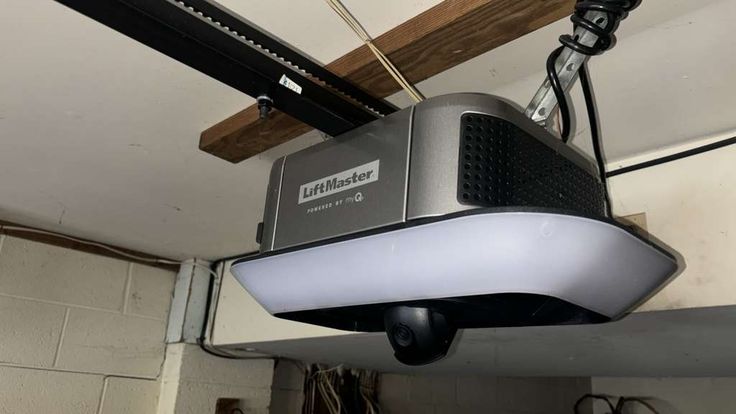
    Garage door opener cost in 2026 depends on motor strength, drive design, automation features, and installation calibration. Higher-capacity motors and advanced automation systems typically cost more upfront but often deliver smoother operation and longer service life. Choosing the right motor is not about picking the most powerful unit—it’s about matching lifting force to door weight and usage frequency so the system operates efficiently without unnecessary strain.
    Several elements influence total opener investment, including motor horsepower, drive system type, smart feature integration, and installation setup. Systems properly matched to door load tend to experience fewer adjustments and more stable long-term performance. When motor power is insufficient, the opener compensates by working harder, increasing vibration and heat buildup.

    Matching Motor Strength With Door Load

    Motor strength plays a key role in long-term opener reliability. Heavier insulated doors require stronger lifting capacity, while lighter doors operate efficiently with lower horsepower. When the opener operates within its optimal load range, internal components experience less friction, resulting in smoother motion and reduced mechanical stress.
    Important factors when choosing motor power include:
    • Door weight and size
    • Frequency of daily operation
    • Insulation and panel construction
    • Desired motion smoothness and speed
    A properly matched motor delivers consistent performance, stable motion, and improved long-term reliability.

    Long-Term Value vs Initial Cost

    While initial opener cost matters, long-term performance often determines overall value. Systems operating under balanced load require fewer repairs and maintain smoother performance over time. Choosing an opener based on compatibility rather than short-term cost helps ensure consistent operation and improved durability throughout the system lifespan.

    How the Right Opener Choice Improves Daily Reliability

    Choosing the right garage door opener in 2026 influences more than convenience—it shapes daily reliability, system stability, and long-term performance. When the opener motor, drive system, and automation features match the garage door’s weight and usage pattern, the entire system operates within balanced mechanical limits. Smooth motion, consistent response, and reduced vibration all contribute to dependable operation year after year.
    A well-matched opener minimizes strain on springs, rollers, and cables, helping the system maintain alignment and efficiency over time. Stable automation ensures the door responds instantly and moves evenly without hesitation.

    Why Compatibility and Calibration Matter

    Proper installation and calibration ensure the opener distributes force evenly, preventing overload and reducing wear. When balance and alignment remain stable, the opener works efficiently, maintaining smooth motion and predictable performance.
    If you need guidance selecting the right opener or ensuring proper compatibility, contact A1 Garage Door Repair Service. The team can help evaluate system requirements, verify compatibility, and provide dependable assistance tailored to long-term reliability.
    A garage door opener that matches the system correctly becomes almost invisible in daily life—quiet, consistent, and dependable—providing smooth operation every time the door moves.
    Frequently Ask Questions

    Service Information & Answers

    Choose an opener based on door weight, size, usage frequency, and desired noise level. Matching the motor strength and drive system to the door ensures smoother motion, stable performance, and a longer lifespan.

    Belt drive openers are typically the quietest because they reduce vibration and friction. They provide smooth motion and are ideal for homes where noise control is a priority.

    Most modern openers last many years when properly installed and maintained. Lifespan depends on usage frequency, door balance, and consistent mechanical condition.

    Common issues include slow response, sensor misalignment, increased noise, and motor strain. Seasonal temperature changes and frequent daily use often influence opener performance over time.

    Yes. An underpowered or mismatched opener can strain springs, increase vibration, and accelerate wear. Proper compatibility ensures smooth, safe, and reliable operation.