
2026 Insulation Types And R-Value Ratings Explained
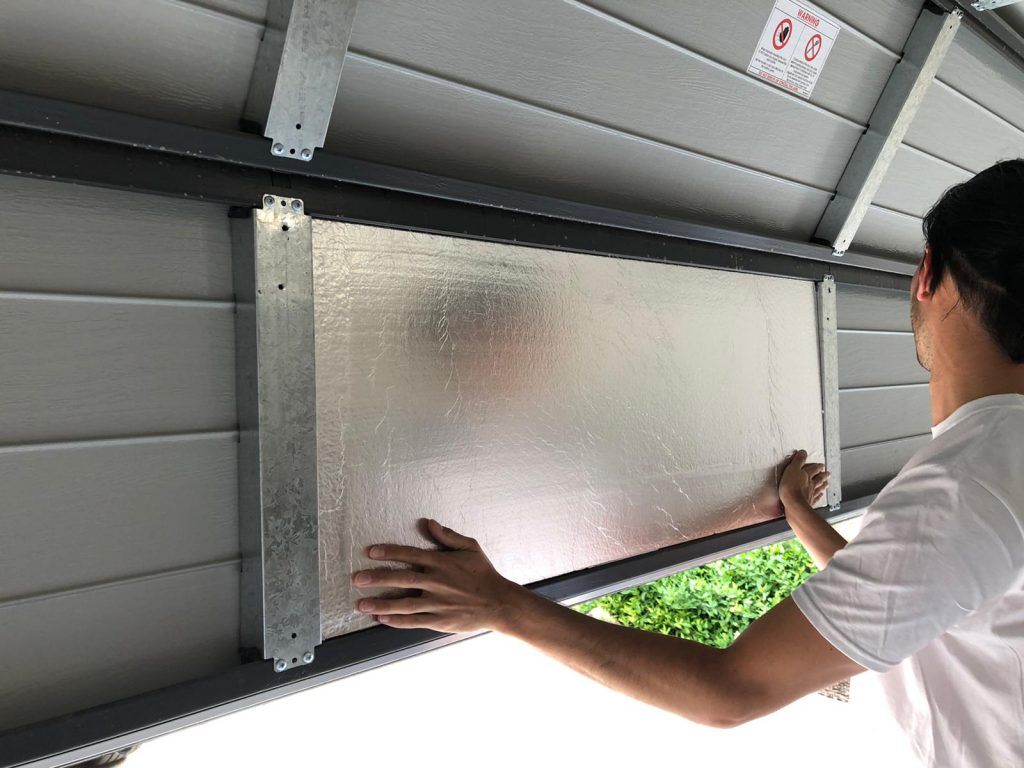
Two primary insulation types dominate the market: polystyrene and polyurethane. They may sound similar, but they perform very differently under real-world conditions.
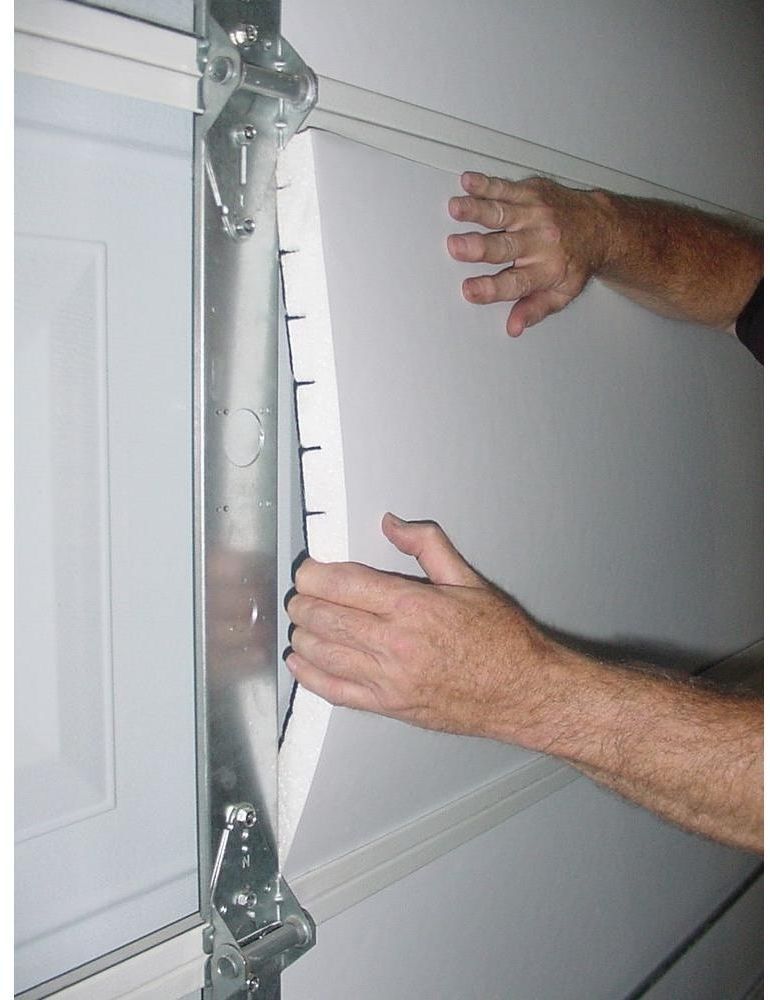
Polystyrene insulation is typically inserted as rigid panels between door layers. It provides moderate thermal resistance but leaves small air gaps that reduce overall efficiency. Polyurethane, on the other hand, is injected as foam, expanding to fill every cavity. This creates a tighter seal, higher R-value, and stronger door structure.
Breaking Down R-Value And What It Really Means
R-value measures thermal resistance—how well the door resists heat transfer. Higher numbers indicate better insulation, but context matters. A door with R-12 might perform adequately in a detached garage, while attached garages benefit more from R-16 to R-18 setups.
- Reduced heat loss during winter months
- Lower temperature fluctuations inside the garage
- Less strain on HVAC systems in adjacent rooms
Insulation Performance Data And Comparisons
Insulation Type | Typical R-Value Range | Density Level | Structural Strength | Noise Reduction |
Polystyrene | R-6 to R-10 | Medium | Moderate | Basic |
Polyurethane | R-12 to R-18+ | High | High | Advanced |
Non-Insulated | R-0 to R-2 | Low | Low | Minimal |
This table highlights a key takeaway: insulation type impacts more than just temperature—it affects how the door feels, sounds, and holds up over time.
How Insulation Affects Daily Operation
Insulated doors tend to run smoother and quieter. The added density reduces vibration, which means less wear on rollers and tracks. Over time, this translates into fewer adjustments and longer component life.
In high-cycle households, where doors open and close multiple times a day, insulation contributes to system stability. It helps absorb mechanical stress instead of transferring it directly to hardware components.
Choosing The Right Insulation Setup
When selecting insulation, it’s important to align the door with actual usage patterns. A lightly used detached garage doesn’t need heavy insulation, while a garage connected to living space benefits from higher R-values and denser construction.
- Frequency of door usage per day
- Whether the garage is attached or detached
- Climate impact on material expansion and contraction
- Desired noise reduction level
Top Garage Door Opener Brands Performance and Reliability Comparison 2026
What Defines a Reliable Garage Door Opener
Performance Factors That Separate Opener Quality
- Motor efficiency and heat management
- Gear durability and wear resistance
- Motion smoothness under load
- Automation response consistency
- Vibration control and noise reduction
Long-Term Reliability Patterns in Modern Openers
Key Performance Observations
- Stable openers maintain consistent motion speed
- Efficient motors produce less vibration and noise
- Balanced torque reduces gear strain
- Improved cooling prevents overheating
- Smooth drive operation lowers mechanical stress
Opener Installation and Performance Consistency
The Role of Quality Engineering in Daily Reliability
Steel, Composite, And Double-Layer Door Performance Differences
Material Choice Impacts Long-Term Reliability
Structural Differences That Affect Performance
Performance Comparison By Material Type
Door Type
| Weight Range
| Durability Level
| Insulation Compatibility
| Maintenance Needs
|
Single Steel
| 130–180 lbs
| Moderate
| Limited
| Low
|
Double Steel
| 180–250 lbs
| High
| High
| Low
|
Composite
| 160–240 lbs
| High
| High
| Moderate
|
How Material Affects Noise And Operation
Factors When Selecting Door Material
- Load capacity and compatibility with spring systems
- Resistance to environmental conditions like humidity
- Desired balance between weight and durability
- Noise reduction expectations
- Long-term maintenance requirements
Garage Door Installation Uniontown PA Cost And Efficiency Factors
Key Cost Components To Consider
- Door material and insulation level
- Spring system type and cycle rating
- Opener compatibility and horsepower requirements
- Labor complexity based on structural conditions
- Additional hardware like reinforced tracks and rollers
Efficiency Gains That Offset Initial Investment
Cost Vs Performance Data Overview
Component Type | Cost Range Impact | Performance Benefit |
Basic Insulated Door | Moderate | Standard thermal resistance |
High-R Insulated | Higher | Improved energy efficiency |
High-Cycle Springs | Moderate | Extended lifespan (20,000+ cycles) |
Premium Rollers | Low | Reduced noise and friction |
Getting The Most Value From Installation
Energy Savings And Temperature Control In Attached Garages
How Temperature Fluctuations Affect System Performance
Thermal Efficiency And Energy Control Benefits
- Reduced heat loss through garage structure
- Improved temperature consistency in adjacent living areas
- Lower HVAC workload and energy consumption
- Decreased risk of condensation affecting hardware
- More predictable system performance under changing weather
Long-Term Impact On Utility Costs
Noise Reduction, Durability, And Daily Usage Impact
How Insulated Doors Improve Acoustic Performance
This is particularly important in attached garages where noise can travel into living spaces. A quieter system improves overall comfort and reduces disruption during early morning or late-night use.
Durability Under Repeated Daily Cycles
The additional layers provide structural strength, reducing flex during movement. This stability helps maintain alignment and prevents components from wearing unevenly.
Key Factors That Influence Durability And Usage
- Door weight balanced correctly with spring tension
- Quality of rollers and track alignment
- Frequency of daily operation cycles
- Environmental exposure such as humidity and temperature
- Level of insulation supporting structural integrity
When these factors are properly aligned, the system runs consistently without excessive strain.
How Insulation Supports Long-Term Reliability
Common Mistakes When Selecting Insulated Garage Doors
Frequent Selection Errors That Impact Performance
- Choosing an insulation type without considering the garage usage
- Ignoring the door weight and its impact on spring calibration
- Overlooking compatibility with existing opener systems
- Prioritizing low upfront cost over long-term durability
- Skipping the evaluation of track and hardware quality
The Importance Of Looking Beyond Initial Cost
Avoid Costly Selection Mistakes
How To Choose The Right Setup For Long-Term Performance
Service Information & Answers
Insulated garage doors reduce heat transfer between the garage and outdoor environment, helping maintain more stable indoor temperatures. This is especially important for attached garages where temperature shifts impact adjacent living spaces. By limiting energy loss, the system reduces HVAC workload and improves overall efficiency, which can lead to lower utility costs over time.
The right R-value depends on how the garage is used. For detached garages, moderate insulation may be sufficient, while attached garages benefit from higher R-values for better thermal control. A balanced approach is key—choosing insulation that matches usage patterns ensures efficient performance without unnecessary cost or added weight.
Yes, insulated garage doors significantly reduce noise. The added density helps absorb vibration and limits sound transfer during opening and closing cycles. This results in smoother and quieter operation, especially in garages connected to living spaces where noise can travel indoors.
Insulated doors tend to last longer due to their reinforced structure. The added layers improve durability and reduce flex during operation, which minimizes wear on components like hinges, rollers, and tracks. This leads to more consistent performance and fewer maintenance issues over time.
Before installation, it’s important to evaluate garage usage, door weight, insulation needs, and compatibility with existing systems. Structural condition, proper measurements, and correct spring calibration all play a role in long-term performance. Addressing these factors early ensures the system operates efficiently and avoids unnecessary adjustments later.