
A1 Garage Door Logo 1

Choosing The Right Material For Garage Door Installation Monroeville PA in 2026

    Getting a new garage door right the first time comes down to understanding load balance, material behavior, and long-term performance—not just appearance. Many systems fail early because door weight, spring tension, and opener capacity aren’t aligned. A standard residential door can weigh between 160 and 320 lbs, and without proper calibration, that load transfers directly to the opener motor, shortening its lifespan.

    When planning Garage Door Installation Monroeville PA, homeowners often focus on style, but the real question is how the system will perform after 10,000–20,000 cycles of daily use. Steel thickness (24–27 gauge), insulation type, and track alignment all play a role. Poor installation leads to noise, uneven movement, and higher energy loss. A properly installed system runs more smoothly, lasts longer, and avoids costly breakdowns in the first few years.

    Steel vs Wood vs Aluminum Options Compared for 2026 Homes
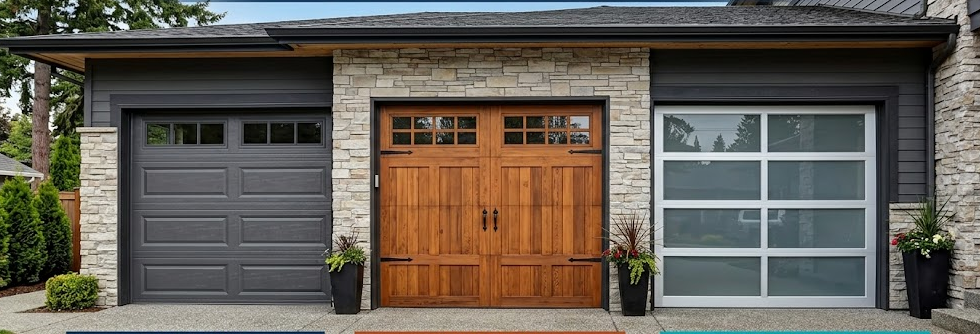
    Material selection is where performance either holds up or falls apart. Each garage door material behaves differently under stress, weather exposure, and daily cycling. In 2026, homeowners are leaning toward function-first decisions, focusing on durability, insulation, and maintenance rather than just curb appeal.

    Steel Garage Doors: Strength Meets Efficiency

    Steel remains the go-to option for most installations—and for good reason. It’s engineered to handle high cycle counts, resist impact, and maintain structural integrity under temperature swings. Most modern steel doors come in single-layer, double-layer, or triple-layer insulated builds, with R-values ranging from R-6 to R-18.

    Steel doors are also compatible with heavy-duty torsion spring systems, making them ideal for homes where the garage door is used multiple times daily. When paired with proper insulation, they help stabilize interior temperatures, especially in attached garages.

    Wood Garage Doors: Aesthetic with Trade-Offs

    Wood doors bring a premium appearance, but they come with added weight and maintenance demands. A standard wood door can exceed 250–400 lbs, requiring upgraded springs and stronger opener motors. Moisture absorption and expansion can also affect panel alignment over time.
    This means installation precision becomes critical. If the framing or track system is even slightly off, the added weight can accelerate wear on rollers, cables, and hinges.

    Aluminum Garage Doors: Lightweight and Modern

    Aluminum doors are lighter, typically 100–180 lbs, which reduces strain on openers and spring systems. They’re corrosion-resistant and work well in humid environments, but they’re more prone to denting compared to steel.

    They’re often used in contemporary designs with glass panels, offering a clean, modern finish while maintaining operational efficiency.

    Quick Material Comparison

    • Steel → Best balance of strength, insulation, and cost
    • Wood → High-end appearance, higher maintenance, heavier load
    • Aluminum → Lightweight, corrosion-resistant, lower durability

    Performance Metrics Table

    Material
    Avg Weight
    Lifespan (Years)
    Insulation Range
    Maintenance Level
    Steel
    130–250 lbs
    15–30
    R-6 to R-18
    Low
    Wood
    250–400 lbs
    15–25
    R-3 to R-9
    High
    Aluminum
    100–180 lbs
    10–20
    R-2 to R-6
    Low–Moderate

    Key Takeaways for Material Selection

    • Heavier materials require stronger torsion systems and opener capacity
    • Insulated doors reduce energy loss by up to 20–25% in attached garages
    • Lightweight doors reduce mechanical strain but may compromise durability

    Choosing the right material isn’t about what looks good on day one—it’s about what holds up after 10,000+ cycles of real use. When the system is properly matched and calibrated, the door operates smoother, lasts longer, and avoids unnecessary repairs.

    How Climate and Moisture Levels Affect Door Material Performance

    Climate plays a bigger role than most homeowners expect. Temperature swings, humidity, and moisture exposure directly affect how garage door materials expand, contract, and perform under daily use. Ignoring these factors can lead to misalignment, increased friction, and premature component failure.

    Temperature Fluctuations and Material Expansion

    Steel and aluminum expand and contract with temperature changes. In regions with seasonal variation, this can affect track alignment and panel spacing. Even slight expansion can increase resistance during operation, forcing the opener motor to work harder.

    Over time, this added strain can shorten the lifespan of:
    • Drive systems (belt, chain, or screw drive openers)
    • Rollers and hinges
    • Spring tension balance

    Moisture and Humidity Impact

    Moisture is where things really start to break down. Wood doors absorb humidity, causing swelling, warping, and weight fluctuations. This directly impacts balance and can throw off spring calibration.

    Steel doors, while resistant to moisture, can develop rust if the protective coating is compromised. Aluminum performs best in humid environments due to its corrosion resistance, but it still requires proper sealing around joints and panels.

    Common Climate-Related Issues

    • Increased friction due to expansion
    • Sensor misalignment from track movement
    • Spring tension imbalance caused by weight changes
    • Panel warping in high humidity conditions

    Performance Data Overview

    Condition
    Impact on Steel
    Impact on Wood
    Impact on Aluminum
    High Heat
    Expansion
    Drying/cracking
    Minimal impact
    Cold Temperatures
    Contraction
    Brittle risk
    Minor contraction
    High Humidity
    Rust risk
    Swelling
    Corrosion resistant
    Moisture Exposure
    Surface wear
    Warping
    Stable

    Key Considerations Before Installation

    • Proper weather sealing and insulation reduce exposure
    • Correct spring calibration accounts for seasonal weight changes
    • Reinforced tracks help maintain alignment under expansion stress

    Garage doors operate under constant environmental pressure. If the material isn’t suited for the climate—or the system isn’t adjusted accordingly—performance issues will show up fast. Getting ahead of these factors ensures smoother operation, fewer repairs, and a longer service life.

    Durability and Maintenance Factors That Impact Long-Term Reliability

    Durability isn’t just about the material—it’s about how the entire system holds up under repeated stress. A typical residential garage door runs 3–5 cycles per day, which translates to over 1,500 cycles annually. Over a decade, that’s 15,000+ open-and-close movements. If components aren’t matched correctly, wear starts creeping in faster than expected.

    How Material Affects Wear Patterns

    Steel doors maintain structural stability over time, but they rely heavily on coating quality. Once that outer layer is compromised, corrosion can start to spread, especially around panel joints and bottom sections. Wood doors, on the other hand, don’t corrode—but they shift. Expansion and contraction gradually affect panel alignment and increase friction in the track system.

    Aluminum doors reduce mechanical strain because of their lighter weight, but they’re more susceptible to surface damage. Small dents can interfere with panel movement and lead to uneven load distribution across rollers.

    Component-Level Durability Matters

    Material alone won’t carry the system. The supporting hardware plays a major role in long-term reliability. Torsion springs, cables, rollers, and hinges all operate under tension and load pressure. If these components aren’t rated for the door’s weight, they wear out faster.

    Key factors that directly impact lifespan:

    • Spring cycle rating (10,000 vs 20,000+ cycles)
    • Roller type (nylon vs steel bearings)
    • Track thickness and reinforcement
    • Cable gauge and drum compatibility

    A mismatch here is where most early failures originate. The door might look solid, but internally the system is working overtime.

    Maintenance: The Difference Between 10 and 20 Years

    Routine maintenance isn’t optional—it’s what keeps everything running smoothly. Systems that receive annual inspection and calibration tend to last 30–50% longer than neglected ones. Lubrication, balance checks, and sensor alignment all play a role in reducing strain.

    Ignoring small issues—like a slight noise or delayed response—can snowball into larger mechanical failures. A door that’s slightly off balance can double the load on the opener, accelerating motor wear and increasing energy consumption.

    What Drives Long-Term Reliability

    • Balanced door weight reduces opener strain
    • High-cycle springs extend system lifespan
    • Proper alignment minimizes friction and resistance
    • Regular inspections catch early wear before failure

    Durability isn’t just built into the door—it’s engineered into the entire system. When everything is calibrated correctly, the door operates smoother, quieter, and more efficiently over time.

    Insulation Ratings and Energy Efficiency Considerations in 2026
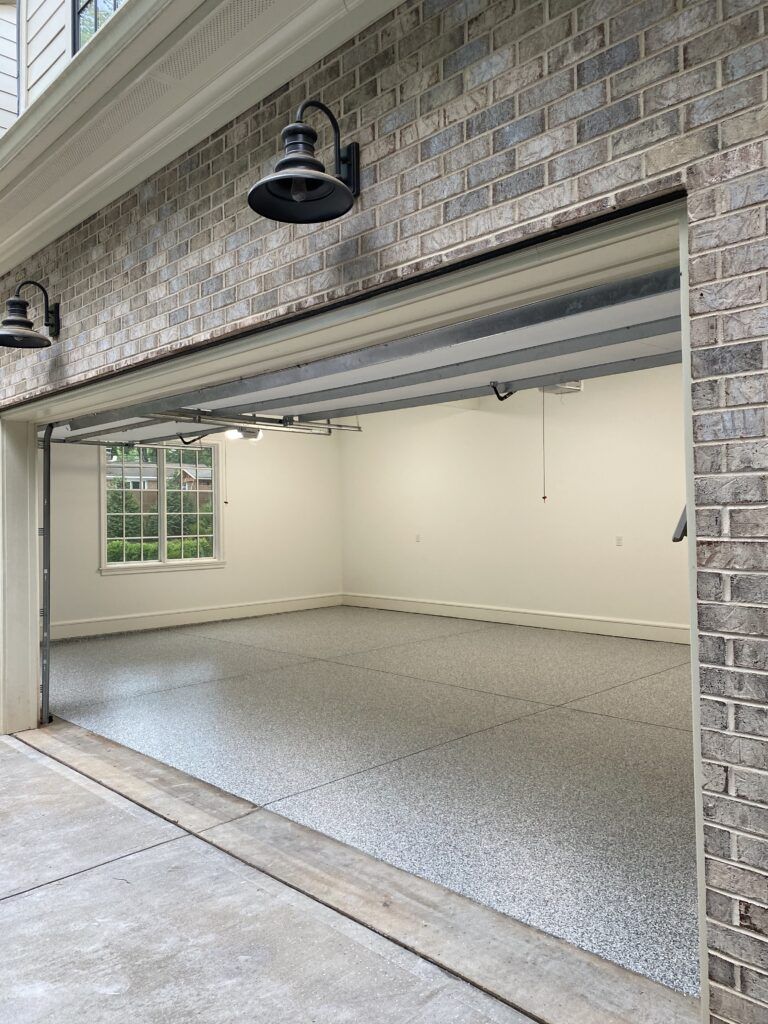
    Energy efficiency is no longer a secondary feature—it’s a deciding factor. With rising energy costs, more homeowners are paying attention to how garage doors impact indoor temperature stability. This is especially important for attached garages, where heat transfer directly affects living spaces.

    Understanding R-Value and Thermal Performance

    Insulation performance is measured by R-value, which indicates resistance to heat flow. The higher the R-value, the better the insulation. In 2026, most modern garage doors fall into three categories:

    • Non-insulated (R-0 to R-2)
    • Moderate insulation (R-6 to R-9)
    • High-performance insulation (R-12 to R-18+)

    Higher R-values help maintain consistent temperatures inside the garage, reducing strain on HVAC systems. This can translate into noticeable energy savings over time.

    Why Insulation Matters More Than You Think

    Garage doors are one of the largest openings in a home. Without proper insulation, they act as a weak point in the building envelope. Heat escapes in winter, and hot air seeps in during summer. This forces HVAC systems to work harder, increasing energy usage.

    Insulated doors also reduce noise transmission and improve overall comfort. Multi-layer construction—with steel outer layers and polyurethane or polystyrene cores—adds both strength and thermal resistance.

    Structural Benefits of Insulated Doors

    Insulation doesn’t just improve energy efficiency—it strengthens the door. Triple-layer doors are more rigid, reducing flex during operation. This helps maintain alignment and reduces stress on hardware components.

    Key Energy Efficiency Considerations

    • Attached garages benefit most from high R-value doors
    • Insulated doors reduce temperature fluctuation by up to 15–20°F
    • Multi-layer construction improves both durability and performance
    • Proper sealing around edges prevents air leakage

    A well-insulated garage door does more than save energy—it improves system stability and extends component lifespan. It’s a long-term upgrade that pays off in both comfort and performance.

    Garage Door Installation Monroeville PA Material Choices for Local Properties

    Local conditions play a big role in how garage door materials perform. Climate patterns, seasonal changes, and property types all influence which materials hold up best over time. In areas with fluctuating temperatures and moisture exposure, material selection becomes even more critical.

    Regional Factors That Influence Performance

    Temperature swings throughout the year can cause expansion and contraction in metal doors, affecting alignment and operation. Moisture exposure increases the risk of corrosion in steel and warping in wood. These factors need to be accounted for during installation to prevent long-term issues.
    Homes with attached garages often require insulated doors to maintain indoor comfort, while detached garages may prioritize durability over thermal performance.

    Matching Materials to Property Needs

    Steel doors tend to perform well across different conditions due to their strength and insulation options. Aluminum doors are better suited for environments where moisture resistance is a priority. Wood doors require more upkeep but may be selected for architectural consistency.
    Installation quality also plays a role. Proper sealing, reinforcement, and calibration ensure the door performs reliably under local conditions.

    Key Local Considerations

    • Seasonal temperature changes impact material expansion
    • Moisture exposure affects durability and maintenance needs
    • Insulation is critical for attached garages
    • Reinforced components improve long-term performance
    Choosing the right material isn’t just about preference—it’s about how the door interacts with its environment. When the system is tailored to local conditions, it operates more efficiently and requires fewer repairs over time.

    Cost Differences and Lifespan Expectations Across Material Types

    Cost isn’t just about upfront pricing—it’s about how long the system holds up and how much you’ll spend maintaining it over time. A lower initial investment can quickly add up if the material wears out faster or requires frequent repairs.

    Upfront vs Long-Term Value

    Steel doors typically offer the best balance between cost and durability. They’re widely available, relatively affordable, and built to last under regular use. Wood doors come with higher upfront costs and ongoing maintenance, while aluminum sits somewhere in the middle depending on design and thickness.

    Lifespan varies based on usage, installation quality, and maintenance habits. A properly installed steel door can last 15–30 years, while high-end systems with upgraded components can extend beyond that.

    What Impacts Total Cost

    • Material type and construction layers
    • Insulation level and reinforcement
    • Hardware quality and cycle rating
    • Installation precision and calibration
    • Frequency of daily operation

    Cost vs Performance Balance

    Choosing the right material isn’t about picking the cheapest or the most expensive option—it’s about finding the setup that delivers consistent performance without constant upkeep. When the system is properly matched to usage and environment, it reduces long-term costs and avoids unnecessary repairs.

    How a Professional Can Help Choose the Right Garage Door Materials
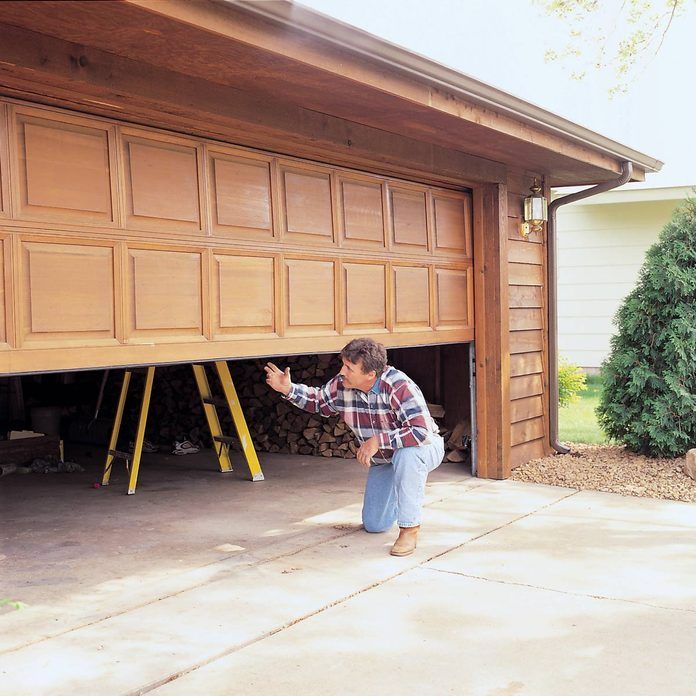
    Choosing the right garage door material comes down to proper system matching, not guesswork. Door weight, insulation level, and daily usage must align with spring capacity and opener strength to avoid premature wear. A professional approach includes evaluating structural openings, measuring load balance, and selecting hardware rated for long-term cycles. This prevents common issues such as uneven movement, excessive strain, and recurring repairs.

    Precise installation and calibration ensure the door operates smoothly under real conditions, not just on day one. For reliable setup and material selection tailored to your property, contact A1 Garage Door Repair Service—our team can guide you toward a system built for durability and consistent performance.
    Frequently Ask Questions

    Service Information & Answers

    The right choice depends on usage, climate exposure, and structural setup. Heavier doors require stronger spring systems, while insulated options improve efficiency in attached garages. Steel is often selected for durability, while lighter materials reduce strain on openers. The key is matching material performance with daily operation demands.

    Lifespan is influenced by cycle rating, material quality, and maintenance. Standard systems last around 10–15 years, while high-cycle setups can extend beyond 20 years. Proper balance, alignment, and periodic servicing play a major role in preventing early wear and maintaining consistent operation over time.

    Yes, insulation helps regulate temperature, reduce noise, and improve structural rigidity. In attached garages, it can lower energy transfer into living spaces. Insulated doors also operate smoother due to reduced vibration, which minimizes stress on internal components and extends overall system lifespan.

    Premature wear is usually linked to imbalance, incorrect spring tension, or mismatched opener capacity. When the system isn’t properly calibrated, components like rollers, cables, and motors carry excess load. Over time, this leads to increased friction, noise, and frequent breakdowns.

    If the door has repeated mechanical issues, structural damage, or outdated components, replacement is often more cost-effective long term. Repairs can extend usability, but when multiple parts are failing, a new system provides better reliability, improved efficiency, and fewer service interruptions.