
Cold weather has a way of exposing weak points in a home, and the garage door is often where energy efficiency quietly slips through the cracks. In 2026, technicians across western Pennsylvania continue to see heat loss, rising utility bills, and uneven indoor temperatures tied directly to outdated or poorly sealed garage door systems. Homeowners frequently ask whether upgrading a garage door truly makes a difference during winter, and the short answer is yes—when the right improvements are made.
Modern energy-efficient garage door upgrades focus on insulation integrity, air sealing, and system performance under sustained cold stress. As winter temperatures dip and heating systems work overtime, even small gaps around a garage door can drive noticeable energy waste. For many households, the garage door acts as a thermal buffer between outdoor conditions and living spaces above or adjacent to it.
How Insulated Garage Doors Reduce Heat Loss During Pittsburgh Winters
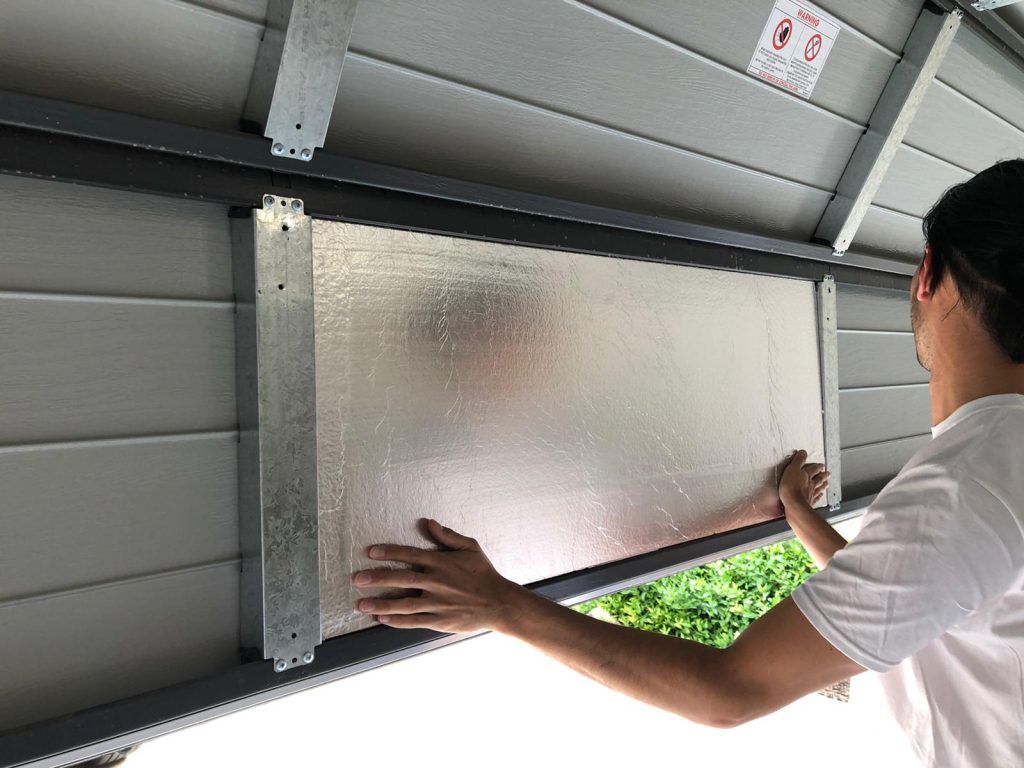
Insulated garage doors have shifted from a comfort upgrade to a practical necessity as winter temperature swings grow more aggressive heading into 2026. Heat loss through an uninsulated or poorly insulated garage door doesn’t just affect the garage itself—it directly impacts adjacent living spaces, especially rooms above or beside the garage. Cold air infiltration causes interior temperature imbalances that push furnaces and heat pumps to cycle more frequently, increasing energy consumption and wear.
Another factor often overlooked is structural rigidity. Insulated doors resist warping caused by moisture exposure and freezing temperatures. When panels stay aligned, seals remain intact, tracks stay square, and rollers move smoothly.
That stability prevents gaps from forming along the perimeter, a common source of winter drafts. Service logs from recent winters show that homes with insulated doors experience fewer mid-season adjustments and less hardware stress.
Noise reduction is another byproduct that homeowners notice quickly. Insulation dampens vibration and rattling caused by wind pressure and metal contraction. While quieter operation may seem secondary, it signals reduced mechanical strain—a key indicator of long-term system health.
Weather Sealing And Bottom Seals That Stop Cold Air Leaks In Pittsburgh
Even the most advanced insulated garage door can underperform if weather sealing is neglected. In winter conditions, air doesn’t need much space to move freely. Gaps as small as a quarter inch along the bottom or sides of a garage door can allow steady cold airflow, moisture intrusion, and heat loss that compounds over time. By 2026, weather sealing has become one of the highest-impact, lowest-disruption energy upgrades available.
Perimeter seals along the jambs and header create the first line of defense. These flexible barriers compress when the door closes, blocking wind-driven drafts and preventing snow melt from seeping inside. Over time, seals harden, crack, or pull away from mounting points due to temperature cycling. Once flexibility is lost, sealing performance drops sharply, even if the door appears to close fully.
Bottom seals play an even larger role. Concrete garage floors shift subtly with freeze–thaw cycles, creating uneven contact points. A worn or flattened bottom seal cannot adapt to these changes, leaving visible gaps that funnel cold air inside. Newer bottom seal designs in 2026 use multi-fin or bulb-style profiles that maintain contact across uneven surfaces, improving thermal performance without altering door operation.
- Reduced heat loss from attached garages into living spaces
- Lower humidity intrusion that contributes to rust and corrosion
- Improved door balance by minimizing wind resistance
- Better indoor air consistency during prolonged cold spells
Service data from recent winters shows that replacing degraded seals often produces immediate comfort improvements. Homeowners frequently notice warmer adjacent rooms and less condensation buildup within days. From a mechanical standpoint, sealing also protects rollers, hinges, and tracks from moisture, which accelerates wear.
When To Upgrade Vs Repair For Better Energy Efficiency In Pittsburgh PA
Condition Observed
| Repair Effective
| Upgrade Recommended
|
Worn weather seals
| 
|
|
Misaligned tracks
|
|
|
Single-layer door panels
|
|
|
Persistent panel warping
|
|
|
No insulation core
|
|
|
Hardware corrosion from moisture
|
|
|
Smart Garage Door Openers And Energy Monitoring Features In 2026
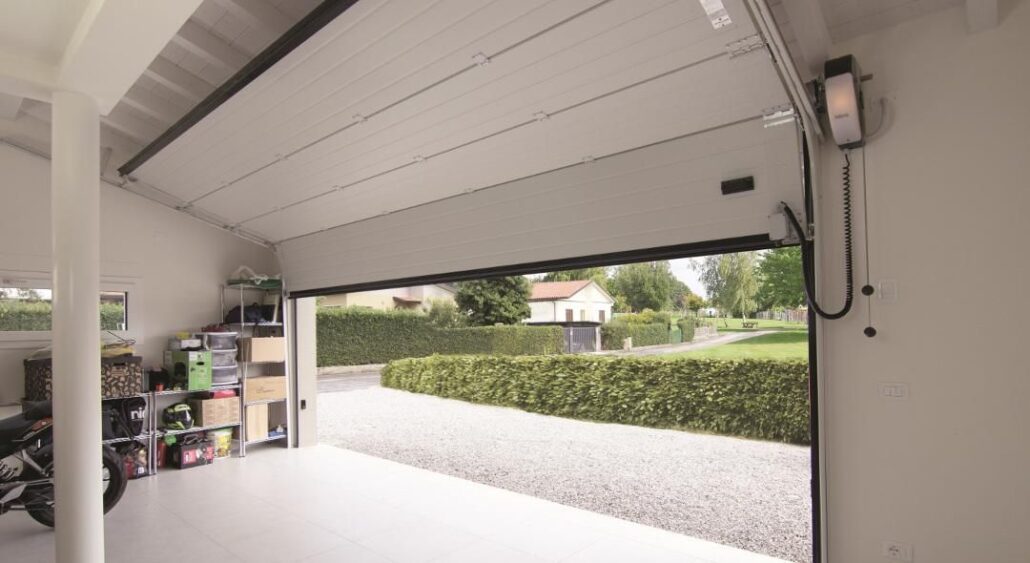
- Scheduled open/close cycles: Prevents doors from being left open during coldest periods
- Temperature-triggered automation: Keeps doors shut during extreme temperature dips
- Energy usage data logging: Tracks motor draw and opening frequency for performance review
- Battery backup integration: Ensures the door stays functional even during winter outages
Common Winter Garage Door Problems That Increase Energy Bills In Pittsburgh
- Loose or cracked weather seals
- Misaligned rollers or bent tracks
- Warped or dented panels that prevent tight closure
- Overworked motors due to friction or cold resistance
- Failed insulation within panel cores
Best Garage Door Materials For Energy Efficiency In Pittsburgh PA Homes
Material Type
| Insulation Compatibility
| Weather Resistance
| Lifespan Estimate
|
Steel (3-layer)
| High (polyurethane core)
| Excellent
| 20–30 years
|
Fiberglass composite
| Moderate
| Very high
| 25–35 years
|
Vinyl-clad steel
| High
| Very high
| 25+ years
|
Wood (solid)
| Low
| Poor without treatment
| 10–20 years
|
Aluminum (modern)
| Medium
| Improved with thermal breaks
| 15–25 years
|
How A Garage Door Company in Pittsburgh PA, Can Help Improve Winter Efficiency
By the time winter hits full force in Pittsburgh, most homeowners have already noticed the subtle signs—cold drafts creeping under doors, garages that never quite warm up, and heating bills that inch higher each week. What many don’t realize is just how much of that energy loss starts and ends at the garage door.
Professional garage door technicians don’t just repair broken parts—they diagnose full system performance. They check where energy is leaking, which materials underperform, and how small fixes can prevent major winter headaches. In 2026, Pittsburgh’s weather isn’t getting easier on your home, so your garage door system can’t afford to fall behind.
- What insulation value your door currently provides
- Where your weather sealing is underperforming
- How your opener contributes to energy waste
- Whether repair or replacement makes more long-term financial sense
Service Information & Answers
Polyurethane-insulated steel garage doors are the most effective for Pittsburgh’s freezing conditions. They offer high R-values, reduce heat transfer, and provide structural durability during freeze–thaw cycles. Compared to polystyrene or no insulation, they significantly improve energy retention and door longevity throughout winter months.
Signs include cold drafts near the door, uneven room temperatures, high energy bills, or visible light around the edges when closed. Inconsistent opener behavior during cold weather is another warning. A technician can use thermal imaging to detect exactly where heat is escaping from the garage.
Yes. Insulated doors reduce heat loss by stabilizing garage and adjacent room temperatures, especially in attached garages. In 2026, Pittsburgh homeowners with insulated models report 10–20% lower winter heating costs compared to homes with single-layer or uninsulated doors exposed to regular cold.
Absolutely. Cracked or flattened seals let in freezing air and moisture, disrupting garage temperatures and forcing HVAC systems to work harder. Replacing perimeter and bottom seals improves the door’s thermal seal, keeping heat inside and reducing cold air infiltration during Pittsburgh’s harshest months.
It depends on the condition. Minor air leaks and hardware issues can be repaired cost-effectively. However, older uninsulated doors, warped panels, or systems lacking modern weather sealing often require replacement to achieve long-term energy savings and reliable winter performance in Pittsburgh.