
A1 Garage Door Logo 1

Garage Door Opener Repair Pittsburgh PA: When To Repair vs Replace In 2026

    Garage door opener problems aren’t new, but in 2026, Pittsburgh homeowners are seeing a sharp rise in breakdowns, malfunctions, and remote failures—often at the worst possible time. These devices are no longer just simple motors. Today’s systems include sensors, boards, wireless remotes, and smart integrations. When one part starts to fail, the whole system can fall apart fast.

    Technicians across Allegheny County have reported a clear spike in garage door opener repair Pittsburgh PA calls between January and March 2026. Most involve sensors not responding, remotes failing, doors getting stuck mid-cycle, or motors burning out. And for many homeowners, the big question is whether to fix it or finally replace it.

    This blog answers that question by breaking down what’s causing opener failures this year, which issues are still repairable, and when replacement makes more sense financially and functionally. We’ll also show what new systems offer in 2026 and how smart features are changing the way garage doors operate across Pittsburgh.

    Most Common Garage Door Opener Issues Pittsburgh Homeowners Face In 2026
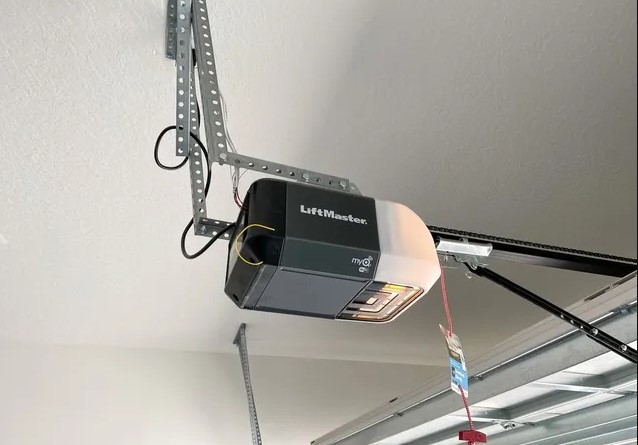
    Openers don’t just fail out of the blue. In most cases, small warning signs pop up before a full system shutdown. In 2026, the most reported problems tied to opener malfunctions in Pittsburgh include:

    • Inconsistent remote response
    • Motor straining during operation
    • Clicking sounds with no movement
    • Flashing safety sensor lights
    • Door stopping mid-way without a clear cause
    • Wall controls working but remote not
    • Loud grinding or buzzing from the opener housing

    Let’s put this into perspective with actual field data. Technicians from Pittsburgh-area service companies logged the following opener issues during Q1 2026:


    Problem Type


    % of Service Calls


    Average System Age


    Sensor misalignment or failure


    27%


    4–7 years


    Worn gear or motor strain


    22%


    7–10 years


    Logic board or circuit fault


    19%


    6–9 years


    Remote or Wi-Fi connectivity drop


    15%


    3–6 years


    Chain/belt misalignment or slack


    11%


    8–12 years


    Safety reverse not engaging


    6%


    5–8 years


    In homes with older chain-drive units, the issues tend to stem from mechanical wear—stretched chains, worn gears, or bad brackets. For newer belt-drive systems, the failures are often electrical. Logic boards get damaged from power surges. Wi-Fi modules lose sync. Sensors lose calibration from ice or impact.
    Another common trigger? Improper tension adjustment. When doors are too heavy, openers struggle and wear down faster. This becomes even more of a problem during Pittsburgh winters, when cold temperatures make parts contract and surfaces stiffen.

    Technicians often find that homeowners ignore early warning signs because the door still moves. But ignoring motor strain, delayed response, or grinding noises often leads to full motor burnout or snapped drive parts. And by that point, the fix is no longer cheap—or always possible.

    Being aware of these top failure types in 2026 helps homeowners act before a breakdown leaves them locked out in the cold.

    Key Signs Your Garage Door Opener Needs Immediate Repair

    There’s a big difference between an opener acting up once and one that’s showing repeated red flags. In 2026, Pittsburgh homeowners are advised to act sooner, not later. Small issues today often signal deeper wear inside the motor, logic board, or drive system. Left alone, they create bigger, more expensive failures.

    Here are the top signs your opener needs immediate repair—not next week, but now:

    • The door stops mid-operation regularly
    • The motor hums but nothing moves
    • You hear clicking but the opener doesn’t respond
    • The door reverses before closing fully
    • Safety sensors blink even when nothing’s blocking them
    • Remotes or smart apps stop working
    • You smell burnt plastic or hear electrical buzzing

    These aren’t just minor annoyances. They’re mechanical or electrical faults waiting to shut your system down. Pittsburgh techs in 2026 are seeing a trend where multiple issues show up at once—a sign that the internal board is failing or the motor is overworked.

    Some of the most urgent issues include:

    • Motor overrun: Motor keeps running after the door stops moving. This burns out the internal circuit.
    • Sensor desync: Even small alignment shifts can block your opener from responding at all.
    • Opener delay: If it takes more than 2 seconds after you hit the remote, something’s wrong.
    • Jammed openers: These put strain on the drive and burn through gear teeth, especially in older chain-drive models.

    Here’s a quick list of symptoms Pittsburgh homeowners are calling in for most often this year:
    • The door starts, then immediately reverses
    • The wall button works, but the remote doesn’t
    • The door opens fine, but won’t close without holding the button
    • The opener light flashes continuously
    • The smart app shows “offline” or “no response.”

    In many cases, these signs are early-stage failures that can be repaired—if caught quickly. Technicians can realign sensors, replace gears, reset travel limits, or swap out faulty logic boards. But if these signs are ignored and the system continues to run in bad condition, that window closes fast.

    Repair is always more affordable when it’s done early. In 2026, with rising parts costs and weather-related service delays, waiting too long means either replacing the entire unit or paying premium rates for emergency calls.

    When A Quick Fix Is Enough: Repair Scenarios That Still Make Sense

    Not every opener issue calls for a full replacement. In 2026, there are still plenty of opener problems that can be solved with a targeted, cost-effective repair—especially when the system is under 10 years old and the core components are still intact. Knowing when to fix versus when to walk away is key to saving time and money.

    Let’s look at a few scenarios where a repair still makes sense in the current market.

    Common repairable issues:
    • Sensor realignment or replacement
    • Remote reprogramming or swap-out
    • Broken gear assembly
    • Loose chain or belt tension adjustment
    • Travel limit resets
    • Overhead light not working (bulb socket replacement)
    • Wall control switch failure


    If your opener is a known, brand-name system (LiftMaster, Chamberlain, Genie, Craftsman) and under 10 years old, parts are still widely available in Pittsburgh. Local suppliers have strong inventories of common gear kits, drive belts, and replacement logic boards. That keeps repair turnaround short and pricing relatively stable.

    Here are a few signs that repair is the smarter route in 2026:
    • The opener still responds but hesitates or strains
    • The issue began after a storm or power outage
    • You can hear the motor working, but the drive isn’t engaged
    • The door still moves manually without extra resistance
    • You just replaced the door or springs recently
    What a typical Pittsburgh repair costs in 2026:
    Issue Repaired
    Avg. Repair Cost
    Typical Time to Fix
    Sensor realignment/replacement
    $85 – $130
    30–45 minutes
    Belt or chain adjustment
    $100 – $150
    45–60 minutes
    Gear/motor assembly
    $160 – $240
    1–2 hours
    Logic board replacement
    $220 – $300
    1.5–2 hours
    Remote or keypad reprogramming
    $80 – $120
    30 minutes

    It’s not just about saving money. In some cases, homeowners have newer openers with innovative features already installed—there’s no need to throw the whole system out when the motor or board is still good.

    That said, timing matters. If your door’s been struggling for months, and the motor sounds like it’s working overtime just to raise the door, the damage might already be more serious than it looks. But if your opener issue is new, isolated, and your system hasn’t had repeat problems, it’s worth fixing.

    Red Flags That Signal It’s Time To Replace Your Opener
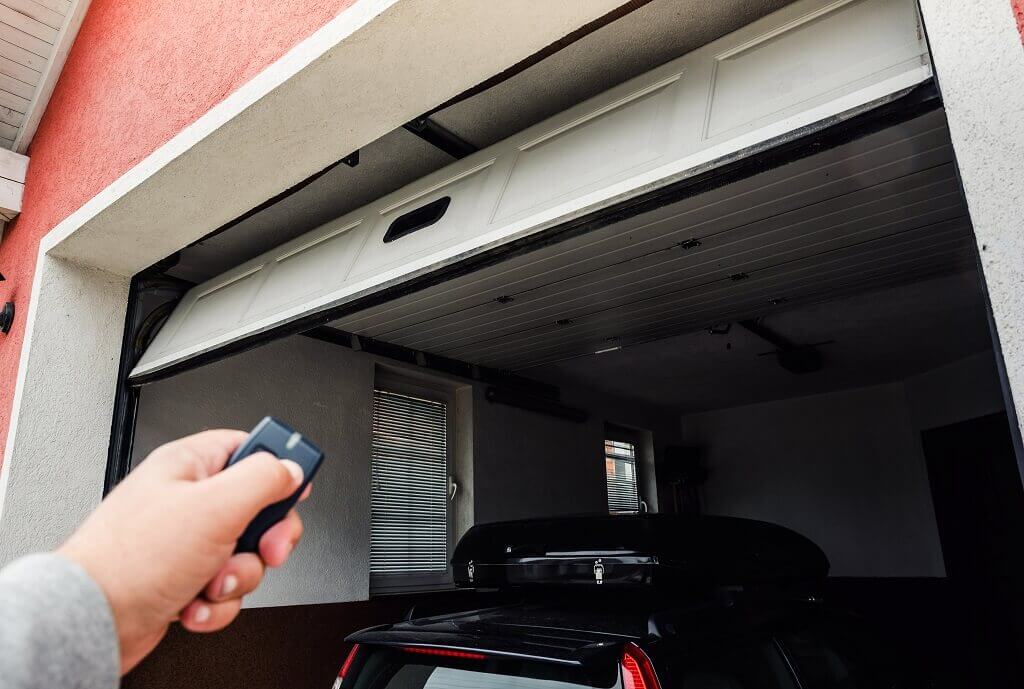
    How to program liftmaster garage door opener
    There’s a point where repair becomes a bandage—and not a long-term fix. In 2026, more Pittsburgh homeowners are realizing that certain opener issues go beyond quick adjustments or part swaps. Whether due to age, safety, or functionality, some systems are simply too outdated or too far gone to justify another round of repairs.

    These are the red flags that tell you it’s time to replace your garage door opener:
    • Your opener is over 12 years old
    • You’ve had more than one major repair in the past 18 months
    • It lacks rolling code security or battery backup
    • The motor grinds or hums, but doesn’t lift smoothly
    • Your model is no longer supported or parts are discontinued
    • You’ve upgraded the door recently, but the opener struggles with the weight
    • There’s water damage or corrosion inside the housing

    Old chain-drive systems are especially vulnerable. The motors burn out. Chains stretch. Gears slip. And if the opener lacks force adjustment sensors, it may fail to reverse when something blocks the door—a major safety risk for families with kids or pets.

    Homeowners are also replacing openers when:

    • They’ve switched to smart home platforms and want full integration
    • Energy use has become a concern, especially in homes with high-cycle doors
    • They’re getting the house ready for resale, and an outdated opener doesn’t add value
    2026 opener replacement trends show a strong shift toward:
    • DC-powered motors (quieter, more efficient)
    • Integrated LED lighting
    • Wi-Fi/app controls and real-time notifications
    • Auto-locking systems for added security
    • Backup batteries for storm season

    Homeowners who delay replacement often end up paying more over time—first for repeat repair visits, then for emergency service when the system fails. In colder Pittsburgh months, this happens more than you’d think.

    If the system has aged out, lacks safety features, or can’t keep up with your upgraded door, the smartest play is to install a modern, high-efficiency opener that does the job right every time.

    What Pittsburgh Homeowners Should Know About Smart Opener Upgrades

    Smart garage door openers have gone from niche add-ons to mainstream must-haves. In 2026, almost every new opener installation in Pittsburgh includes Wi-Fi connectivity, mobile control, and integration with existing smart home platforms. But what many homeowners don’t know is how much value these systems actually add beyond just convenience.

    Here’s what smart opener upgrades offer in today’s installs:
    • Remote open/close control from your phone
    • Push alerts if the door is left open
    • Voice control using Alexa, Google Assistant, or Siri
    • Automatic close timers for safety
    • Garage activity logs and access tracking
    • Smart lock pairing with entry systems
    • Battery backup for outages

    This isn’t just for high-end homes. Even modest garages in neighborhoods like Brookline, Carrick, or Dormont are now running smart openers with app controls. Pittsburgh’s extreme seasonal shifts make it even more useful—you can check status during a snowstorm, let in a delivery driver, or verify the door is closed while you’re at work.

    Top opener brands offering smart features in 2026:
    • LiftMaster
    • Genie Aladdin Connect
    • Chamberlain MyQ
    • Skylink Nova
    • Ryobi UltraQuiet Series

    Pittsburgh service teams are seeing a growing number of calls to upgrade openers that are only five to seven years old—not because they’re broken, but because they lack integration, tracking, or real-time alerts.

    Here’s why people are making the switch:
    • Older remotes are less secure, making doors easier to breach
    • Wi-Fi failures on legacy systems often can’t be fixed without full replacement
    • New safety regulations now require backup power for certain homes and multi-family units

    Homeowners in 2026 aren’t just upgrading because their openers are broken. They’re doing it because smart systems are easier to use, more energy-efficient, and give them peace of mind when they’re not home.

    Wrapping Up: Choosing The Right Path For Your Garage Door Opener In Pittsburgh

    By now, it’s clear that 2026 has changed the game when it comes to garage door opener systems in Pittsburgh. Repairs are still an option in many cases—but only when the system has life left in it. For units older than a decade, or those lacking modern safety and connectivity features, the smarter move is often a full replacement.

    The goal isn’t just to get the door working. It’s to keep your home secure, your energy use down, and your daily routine moving without hiccups. Whether you’re dealing with sensor errors, strange noises, or an opener that won’t sync with your new smart setup, the right call comes down to timing, condition, and how you use your garage every day.

    Don’t wait for a complete failure. The earlier you respond to opener issues, the better your options—both in cost and performance. And with smarter systems now available at lower prices than ever, upgrading is no longer just about replacing what’s broken. It’s about staying ahead.

    For help assessing your setup or booking a service, contact A1 Garage Door Repair Service—our team is here to assist or provide advice.
    Frequently Ask Questions

    Service Information & Answers

    Most garage door openers in Pittsburgh last between 10 to 15 years, depending on usage and maintenance. Cold weather, power outages, and heavy doors can shorten that lifespan. Systems without backup batteries or smart integration are more likely to show signs of wear by year eight.

    Common signs include delayed response, loud grinding noises, motor humming with no movement, or the remote not working. If your opener only works from the wall switch or reverses randomly, it likely needs immediate repair to prevent further damage.

    If your opener is under 10 years old and the motor, board, or sensors are still supported, a repair usually makes sense. But if it’s older, noisy, or missing safety features like battery backup or rolling-code security, replacement is often the smarter investment in 2026.

    In Pittsburgh, typical garage door opener repairs in 2026 range from $100 to $300, depending on the issue. Sensor replacement, gear fixes, and board swaps fall within this range. Emergency visits or complex smart system repairs may cost slightly more, especially during peak weather seasons.

    Yes. Most modern smart openers are compatible with existing garage doors. If your door operates smoothly and isn’t warped or off-track, you can often install a new opener without changing the entire system. Always check compatibility for motor weight limits and spring balance first.