
A1 Garage Door Logo 1

How Much Does Garage Door Spring Repair Cost in Greensburg PA

    The radio is already on by the time I back the truck out at 7:45 a.m. By 8:05 the first call of the day has come in — a homeowner off Route 30 whose door dropped overnight and won’t budge. It’s almost certainly a broken torsion spring. I’ve been doing this for over a decade in the Pittsburgh suburbs, and I can tell you that understanding how much does garage door spring repair cost in Greensburg PA is one of the most searched questions we get, and also one of the most misunderstood.

    Prices float around the internet with no real context. This article gives you the honest breakdown — what a typical job runs, why one quote might be $180 and another $420, and how we think through every job before we touch a single component.

    A Typical Morning on the Truck in the Greensburg Area

    By 8:30 I’m pulling into a two-car garage on the south side of Greensburg. The homeowner met the situation calmly — she’d heard a loud bang the night before, like a gunshot inside the garage. That sound is almost always a torsion spring letting go under tension.

    I pop the hood on the situation fast: single torsion spring over a standard 7-foot door, door is 16 feet wide, about 175 lbs. The spring is wound tight on one side and completely separated on the other. This is a straightforward single-spring replacement on a mid-weight door. We carry most common spring sizes on the truck, so this one is done in under an hour.

    By 10:00 I’m at a second stop — a row house closer to downtown where the owner has extension springs (the ones that run parallel to the horizontal tracks on each side). One snapped, but I always recommend replacing both at the same time. If one went, the other is operating on borrowed time and they’ve almost certainly been on the door for the same number of cycles.

    Lunch around noon, then an afternoon job in Hempfield Township where a homeowner had attempted a DIY fix and made things worse — more on that later. The point is, no two spring jobs are identical, which is exactly why prices vary.
    What a Spring Job Actually Costs: Real Numbers from Real Calls

    Here’s what we actually see in and around Greensburg:


    • Single torsion spring replacement: $150–$220 in parts and labor combined, for a standard residential door under 150 lbs.
    • Double torsion spring replacement (replacing both springs on a heavier or wider door): $220–$320. If your door is 16 feet or wider, or a heavy wood door, you’re almost certainly in this category.
    • Extension spring replacement (both sides): $120–$200. Extension springs cost less per unit, but you should always replace the pair.
    • High-cycle or high-tension springs (upgraded springs rated for 25,000–50,000 cycles instead of the standard 10,000): Add $40–$80 to any of the above. These are worth it if you’re running the door 4+ times a day.
    • Emergency or after-hours service: Expect a $50–$100 after-hours fee on top of the base cost.


    These are the real numbers we work with for Garage door springs repair Greensburg PA calls. What you won’t see from us is a bait-and-switch quote that jumps $200 once we’re already in your garage.

    Is Your Garage Door Giving You Trouble?

    Dealing with a broken garage door? Our experienced technicians provide quick, dependable repairs for broken springs, damaged openers, off-track doors, and more. We deliver quality workmanship and prompt service to get your garage door working safely again.

    The Factors That Push Your Price Up or Down
    When someone asks what a spring repair costs, the honest answer is: it depends on five things.


    1. Spring type and size
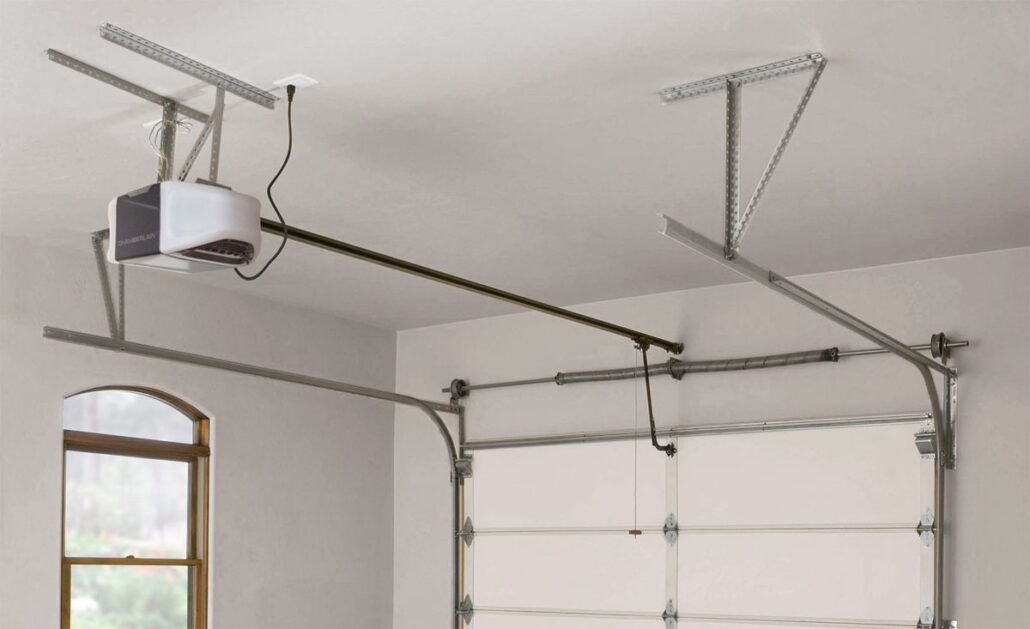
    Torsion springs sit on a shaft above the door and handle most of the lifting load. They cost more per unit but are more durable and safer. Extension springs run along the side tracks and are less expensive but can whip dangerously if they break without safety cables. Size matters too — a spring wound for a 130-lb door won’t work on a 200-lb door.


    2. Door weight and width
    A single-car door under 9 feet wide and under 130 lbs is the easiest job. A double door at 16–18 feet with a heavy wood panel or added insulation can weigh 250+ lbs. Heavier doors need heavier-duty springs, which cost more and take more labor to install correctly.


    3. Number of springs
    Many double-wide doors use two torsion springs. If one breaks, the second is already at the end of its service life. Replacing both at once costs less than two separate service calls six months apart.


    4. Condition of related hardware
    If the cable drums are worn, the cables are frayed, or the end bearing plates are damaged, those need to come with the spring job. We’ll always tell you upfront — a broken spring sometimes reveals a door that’s been running rough for a while.


    5. Timing of the call
    Standard business hours = standard rate. Evening, weekend, or holiday calls carry a service premium. We try to be transparent about that before anyone commits.

    Torsion vs. Extension Springs — Why the Type Changes the Quote

    Understanding which spring system you have is the fastest way to make sense of a quote.


    Torsion Springs

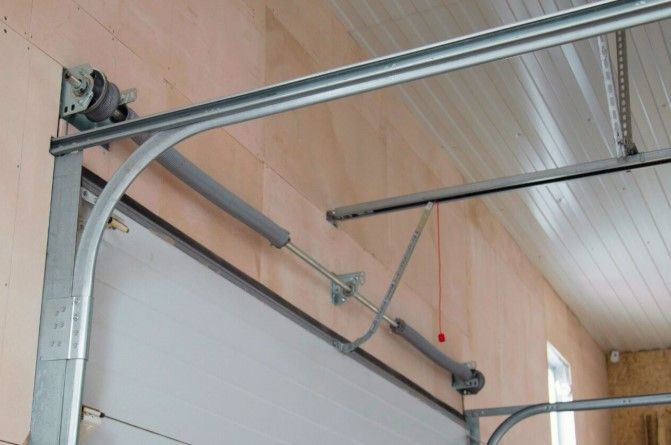
    Mounted horizontally on a metal shaft above the door opening. When the door closes, the spring winds up and stores energy. When it opens, it unwinds and does the heavy lifting. A standard single torsion spring lasts about 10,000 cycles — roughly 7–10 years for an average household.


    Torsion spring work requires winding bars, a torque calculation, and a real understanding of the tension involved. This is not a YouTube-it situation.


    Extension Springs

    These run along the upper horizontal tracks and stretch as the door closes. They’re common on older and smaller single-car doors. They’re cheaper to buy, but they carry a real safety risk if they break without a safety cable, because a snapped spring can launch across the garage at serious speed.


    When we do garage door repair in Monroeville or any of our service areas, we always check for safety cables on extension spring systems and add them if they’re missing — that’s a $20–$30 add-on that matters.

    Why DIY Spring Repair Is a Bet Most Homeowners Lose

    That afternoon Hempfield job I mentioned? The homeowner had watched a tutorial, bought a spring online, and managed to get it on the shaft — but wound it the wrong direction. The door would open about two feet, then slam. Getting the tension right requires knowing the wire diameter, the inside diameter, the length of the spring, and the correct number of turns for that specific door weight. Get it wrong by even a quarter-turn and the door either struggles or slams.


    Beyond the mechanical problem, there’s the safety issue. A torsion spring under full tension stores enough energy to cause a serious injury. We see this a handful of times a year — someone gets hurt trying to save a couple hundred dollars.


    The math rarely works out in favor of DIY on spring jobs. Parts bought retail cost more than what we pay wholesale. One mistake on installation means a second service call. And the risk is real.


    If you’re comparing notes with neighbors or friends across the region, the same logic applies to garage door springs repair in Uniontown — the parts and labor economics are similar across the greater Pittsburgh area.

    How We Diagnose Before We Quote

    We don’t quote before we look. When I arrive at a job, here’s what I check in the first five minutes:


    • Spring condition: Is it a clean break, or has it been showing stress (gaps in the coil, rust, visible wear)?
    • Cable condition: Frayed cables are a co-failure waiting to happen.
    • Door balance: I manually lift the door halfway and let go. A balanced door holds. One that crashes or rockets open has a tension problem.
    • Hardware: Rollers, hinges, brackets, drums — worn hardware makes a new spring work harder and cuts its lifespan short.


    After that walk-through, I give you a flat quote before a single bolt is turned. No surprises.


    You can read more about our full list of garage door services and what to expect from a first visit.
    Frequently Ask Questions

    Frequently Asked Questions About Garage Door Spring Repair Costs

    Most single or double spring replacements take 45 minutes to 90 minutes on-site. If we’re also replacing cables or adjusting hardware, add another 20–30 minutes. We don’t rush — a properly tensioned spring takes the time it takes.

    Yes, almost always. Springs are installed at the same time and run the same number of cycles. If one breaks, the other is at or near the end of its life. Replacing both during one service call saves you a second trip charge and prevents a second failure within months.

    Technically the opener will try, but you shouldn’t let it. Running the opener against a broken spring can burn out the motor and strip the drive gear. Disconnect the opener and leave the door closed until it’s repaired.

    Standard springs are rated around 10,000 cycles (a cycle = one open + one close). High-cycle springs go 25,000 to 50,000 cycles. If you run the door 4–6 times daily, high-cycle springs pay for themselves in avoided service calls within a few years.

    Generally, no. Wear-and-tear items like springs are considered routine maintenance, not sudden damage. Some policies cover the door opener if it’s damaged by a covered event (storm, fire), but a spring that wore out over 10 years isn’t a covered claim.

    If you’re in the Greensburg area and your door is stuck, making grinding noises, or you heard that tell-tale bang last night, give us a call at A1 Garage Door Repair. We run same-day service throughout the Pittsburgh metro, we quote before we start, and we carry the most common spring sizes on every truck. Reach us through our contact page or call directly — we’ll tell you exactly what the job will cost before we pick up a wrench.