
Your Opener Is Trying to Tell You Something
The Telltale Signs It's Time to Replace
- It is more than ten to twelve years old and lacks rolling-code security.
- It reverses on its own or refuses to close the door fully.
- It runs loudly, shakes the ceiling, or has grown noticeably slower.
- The remote or wall button works only intermittently.
- The motor hums but the door barely moves, or not at all.
- It has needed several repairs in a short span of time.
- It has no working safety reverse, an essential modern feature.
Strange Noises and What They Mean
Repair or Replace? The 2026 Math
Situation
| Lean toward repair
| Lean toward replace
|
Age under ~10 years
| Yes
| —
|
Failed sensor or gear
| Yes
| —
|
Motor burned out
| —
| Yes
|
Parts no longer available
| —
| Yes
|
Repeated recent repairs
| —
| Yes
|
Want Wi-Fi / battery backup
| —
| Yes
|
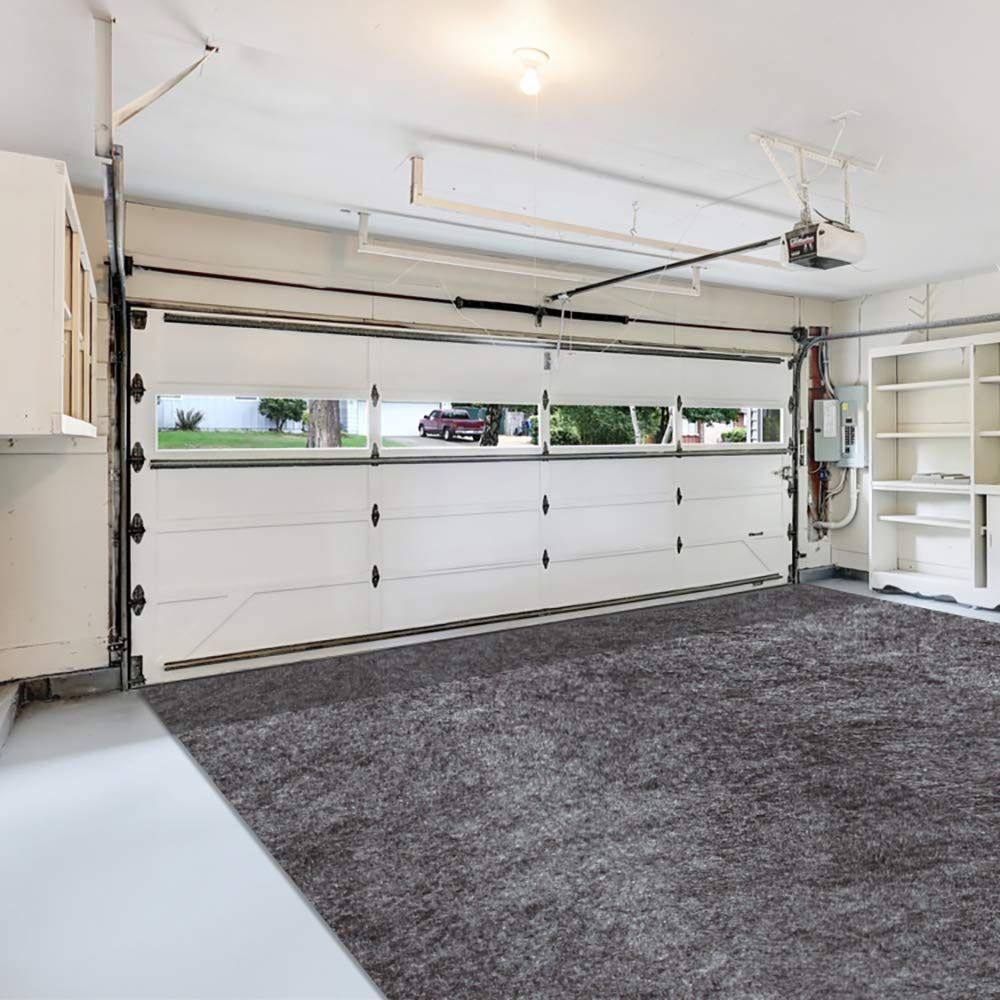
Is It the Opener or the Door?
- Close the door, then pull the red emergency-release cord to disconnect the opener.
- Lift the door by hand to about waist height and let go.
- A balanced door stays roughly in place; if it drops or flies up, the springs are the problem, not the opener.
If the door glides smoothly by hand and stays put, the opener is to blame and a new unit will solve it. If the door is heavy or sticks, the springs and hardware need attention first — and replacing the opener alone would fix nothing. A professional checks this before installing any new unit.
What a Failing Opener Really Costs You
What You Gain From a Modern 2026 Opener
Is Your Garage Door Giving You Trouble?
Choosing the Right Replacement
- Belt drive: quietest, best for attached garages.
- Chain drive: rugged and budget-friendly, best for detached garages.
- DC motor: smooth, quiet, often includes battery backup.
How Long Should an Opener Last?
The Hidden Toll on Your Door's Hardware
Why an Old Opener Is a Security Risk
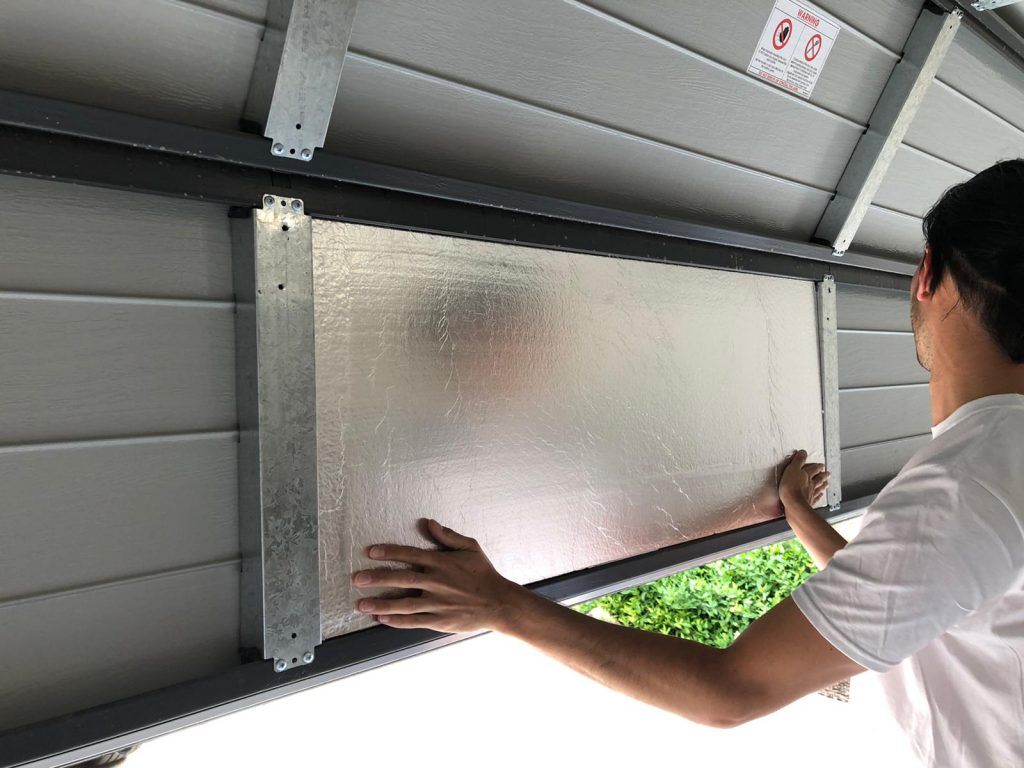
Choosing the Right Replacement Drive
Matching Power to Your Door
Power is easy to overlook and important to get right, because an underpowered opener strains on every cycle and fails early. A standard single door is usually well served by a half-horsepower unit, while a heavier double door — or an insulated door built for Washington winters — is better matched to three-quarter horsepower or a comparable DC motor. The aim is a comfortable match to the door’s real weight, so the new unit works with ease rather than at its limit.
Preparing for a Smooth Replacement
- Clear the area around the door and the ceiling where the unit mounts.
- Confirm there is a working outlet near the center of the ceiling.
- Decide on features — Wi-Fi, battery backup, keypad — so the right unit is on the truck.
- Have your Wi-Fi details ready if you are choosing a connected opener.
Why Professional Installation Pays Off
Common Myths About Replacing Your Opener
Keeping Your New Opener Running Well
- Lubricate the rollers, hinges, and springs with a garage-door lubricant.
- Wipe the safety-sensor lenses and confirm the brackets are aligned.
- Test the auto-reverse with a block of wood, and listen for new noises.
- Replace the backup battery every few years so it is ready for outages.
A Quick Checklist Before You Buy
- How old is the current unit, and is it still safe and reliable?
- Is the garage attached, with living space that noise would disturb?
- Do you want app control, a keypad, or battery backup?
- Is your door a standard single, or a heavier double or insulated model?
Don't Wait for a Total Failure
The smartest time to replace an opener is before it strands you, not after. Acting on the warning signs lets you choose the right unit, schedule the work at a convenient time, and avoid the cost and stress of an emergency. If your opener is showing its age, contact A1 Garage Door Service today to schedule your Washington opener replacement and get a free, no-obligation assessment — and head into the rest of 2026 with a door you can count on.
Service Information & Answers
Watch for repeated reversing, loud grinding or rattling, slow or jerky travel, intermittent response to the remote, or a motor that hums without moving the door. Any of these, especially in an older unit, signals the opener is on its way out.
If the unit is under about ten years old and the fault is a sensor, gear, or capacitor, a repair usually makes sense. If the motor is failing, parts are scarce, or it has needed repeated repairs, replacement is the smarter long-term choice in 2026.
With proper installation and light maintenance, a quality opener commonly lasts ten to fifteen years. Heavy daily use and a poorly balanced door shorten that lifespan.
Often yes. A motor that hums but will not move the door usually points to a stripped gear, a seized screw, or a failing capacitor — sometimes repairable, but on an older unit it frequently signals it is time to replace.
Yes. A modern belt-drive or DC unit is dramatically quieter than an older chain drive, especially noticeable in Washington homes with bedrooms above or beside the garage.
It strains the motor, gears, and the door’s hardware, and risks quitting at the worst moment — with the door shut and your car trapped inside. Replacing it on your own schedule is far less stressful and often cheaper.
A standard replacement on a balanced door takes about two to three hours, including mounting the unit, aligning the sensors, setting the travel and force limits, and programming remotes.
Not usually. If your door is in good shape and well balanced, only the opener needs replacing. A professional will check the door’s balance and condition before installing the new unit.
For most Washington homeowners, yes. The convenience and security of checking and controlling the door from anywhere is significant, and the cost premium over a basic unit is now modest.