
A1 Garage Door Logo 1

Signs Your Garage Door Needs Repair or Replacement (Before It Voids Your Warranty)

    Most garage door warranties are voided long before the door actually fails — and the homeowner never knows it happened. Recognising the signs your garage door needs repair or replacement early is the single best way to protect both your investment and your coverage. Miss those signs, and you could be paying full price for a repair that should have been covered.

    The Warranty-Voiding Moves Homeowners Make Without Realising It

    Before we get into what to watch for, you need to understand what quietly kills your warranty. Manufacturers build generous coverage into their products, then write the fine print around common DIY mistakes. Here are the actions that void coverage most often — and which warranty each one typically takes down.


    Lubricating with WD-40. This one surprises people every time. WD-40 is a solvent, not a lubricant. Using it on torsion springs voids the spring manufacturer’s warranty because it strips the factory coating that prevents corrosion. Use a silicone-based spray or white lithium grease instead.


    Adjusting spring tension yourself. Torsion springs are under hundreds of pounds of force. The moment you touch the set screws, you’ve voided the spring warranty and, in many cases, the labour warranty on recent professional work. We’ve seen homeowners crack a wrist trying this. Don’t.


    Power-washing the door panels. Pressure washing forces water behind the weatherstripping and into the panel seams. For steel and wood doors, that moisture starts rust and rot from the inside out — and panel warranties specifically exclude water damage from improper cleaning.


    Installing a “universal” opener without checking torque specs. Pairing the wrong opener to your door voids both the opener warranty and, in some cases, the door’s hardware warranty. If the opener is underpowered for a heavy carriage-house door, it strains the trolley and the torsion assembly simultaneously.


    Ignoring the monthly safety reversal test. Most opener warranties require documented evidence of regular safety checks. Skipping them doesn’t just create a safety hazard — it gives the manufacturer grounds to deny a claim if something goes wrong.


    The bottom line: small, well-meaning actions can erase thousands of dollars of coverage. When in doubt, call a technician first.

    Noises That Mean Business (and Which Ones You Can Ignore)
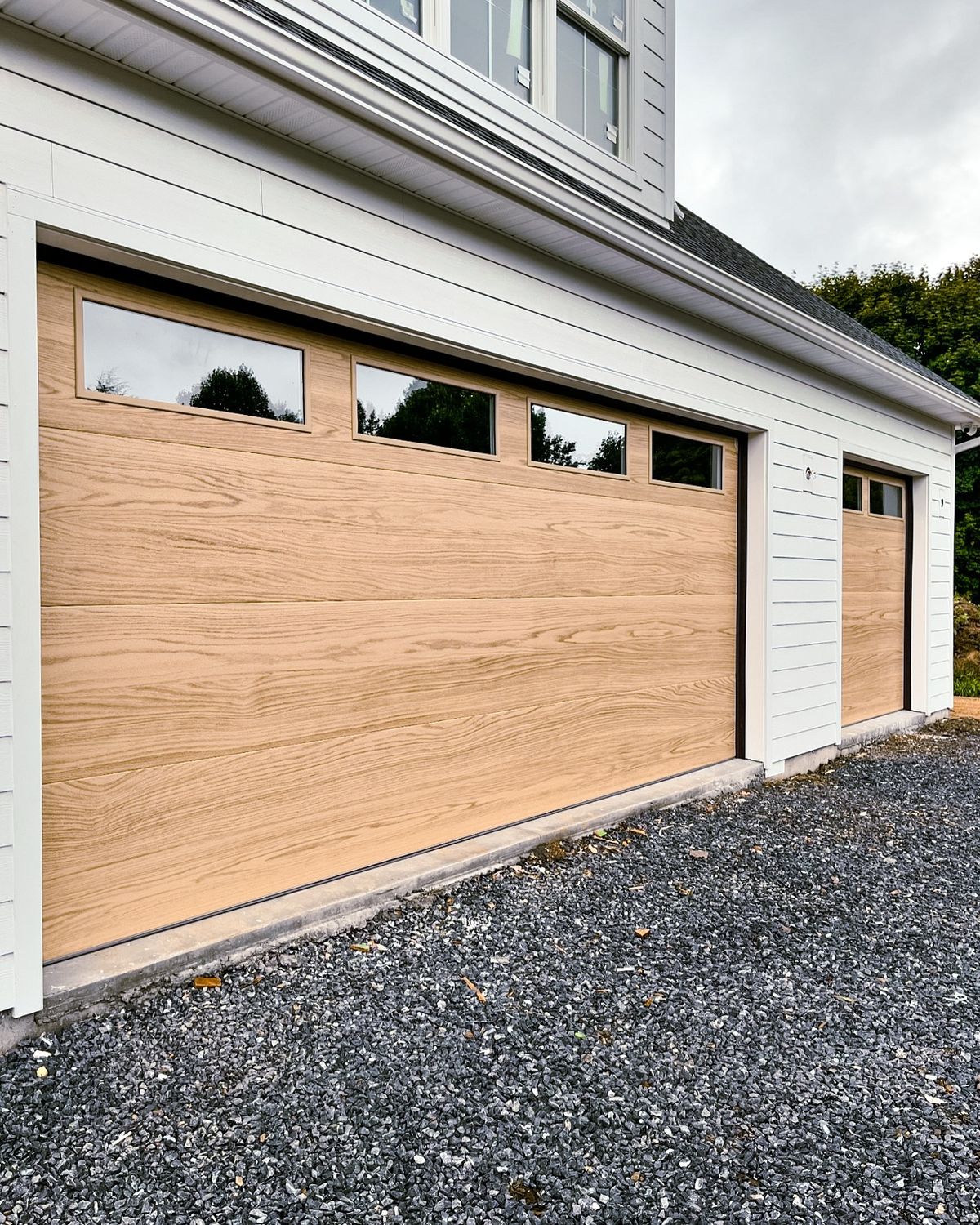
    Garage doors talk. Learning the difference between a harmless creak and a warning signal saves you from two bad outcomes: panic-calling for a repair you don’t need, or ignoring a problem until it becomes a breakdown.


    Grinding during operation usually points to worn rollers or a dry track. Left alone, worn rollers chew into the track itself — now you’re replacing both instead of just a $15 roller.


    A loud bang when opening or closing is almost always a broken spring. The door will likely feel extremely heavy or refuse to open past a few inches. This is a same-day call. A single broken torsion spring puts full tension on the remaining spring, which then fails faster. If you need garage door springs repair and you’re on the south side of Pittsburgh, don’t wait on this one.


    Rhythmic squeaking in sync with the door’s travel means the rollers are dry or the hinges need lubrication. This is the easy one — a proper lube job resolves it in under 20 minutes.


    Vibration and rattling from the opener that wasn’t there six months ago often signals a worn drive gear or a loose trolley carriage. It’s worth having a tech look at it before the gear strips completely.


    Scraping sounds along the bottom typically mean a warped panel or a bent track — both of which require professional assessment.

    How to Tell If It's the Springs, the Opener, or Something Worse

    This is the question we get most often on service calls: “Is it the opener or the door itself?” Here’s a quick field test you can do safely.


    Disconnect the opener by pulling the red emergency release cord. Now try to lift the door manually. A properly balanced door should rise smoothly with light pressure and stay up on its own when raised halfway. If it’s heavy, jerky, or crashes back down, the problem is the springs or the cables — not the opener.


    If the door moves freely by hand but the opener still won’t pull it, the fault is in the opener: motor, drive gear, or the logic board. Opener motors typically last 10–15 years with normal use.


    Check the tracks visually. Stand inside the garage and look at both vertical tracks. They should be plumb — perfectly vertical — with no visible bends or gaps where the track meets the wall bracket. A bent track is a structural issue that affects balance and puts stress on every other component.


    Look at the cables. The lift cables run from the bottom corners of the door up to the drums above the door. Frayed cables, cables off the drum, or visible rust mean the door is days — sometimes hours — from failing. This is not a “watch and wait” situation.


    For a full professional assessment, our garage door repair Pittsburgh PA service covers all of these diagnostics, usually within the same visit.

    Is Your Garage Door Giving You Trouble?

    Dealing with a broken garage door? Our experienced technicians provide quick, dependable repairs for broken springs, damaged openers, off-track doors, and more. We deliver quality workmanship and prompt service to get your garage door working safely again.

    Repair vs. Replace: The Honest Breakdown

    The rule we use: if the repair cost exceeds 50% of the cost of a comparable new door installed, it’s almost always worth replacing. Here’s what that looks like in practice.


    Repair makes sense when:
    • The door is less than 8–10 years old
    • The damage is isolated (one panel, one spring, one cable)
    • The opener and hardware are in good condition
    • The door is a premium model that would cost significantly more to replace


    Replacement makes more sense when:
    • The door has had multiple repairs in the past two years
    • There is widespread rust, rot, or structural warping
    • The insulation value is poor and energy bills show it
    • You’re planning to sell the house — curb appeal return on a new door is strong


    One honest note: a lot of companies push replacement because the ticket is bigger. We’ll always quote you both options and tell you which one we’d do if it were our own home.

    Pittsburgh Weather and What It Does to Your Garage Door Over Time

    If you live in the Pittsburgh area, you already know the weather here doesn’t play nice. Freeze-thaw cycles from November through March are particularly hard on garage door components.


    The most common cold-weather failure we see is a snapped torsion spring. Springs are rated for a number of cycles, but cold metal loses elasticity — a spring that might last 12 years in a mild climate can snap in year 8 here. Early morning is peak failure time because the metal is at its coldest.


    Wood doors absorb moisture from Pittsburgh’s humid summers and then contract in the cold winters. Over time, that expansion and contraction causes the panels to warp and the weatherstripping to gap. Once a wood door starts bowing at the bottom, it rarely tracks true again.


    Steel doors fare better but develop rust at the bottom panel seam — the point where road salt and snow melt pool. Catching surface rust early (a quick sand and repaint) is a $30 fix. Ignoring it for two seasons turns a panel into a replacement job.


    If you’re in the eastern suburbs, our springs repair in Monroeville team handles spring failures caused by exactly these cold-weather conditions — fast turnaround, same-day in most cases.
    Frequently Ask Questions

    Frequently Asked Questions About Garage Door Repair and Replacement

    A quality steel or composite door, properly maintained, should last 20–30 years. Springs and opener motors are the consumable parts — springs average 10,000 cycles (roughly 7–10 years for a typical household), and openers last 10–15 years.
    Sometimes, yes — but only if the same panel model is still in production. Manufacturers discontinue styles regularly, so a door that’s more than 8–10 years old may have no matching panels available. A mismatched panel also affects resale value.

    It can be. Slow operation usually means the opener is straining against a balance problem. An out-of-balance door puts uneven stress on the entire system and increases the risk of cable failure or a panel crack. Get it checked sooner rather than later.

    Torsion springs run horizontally above the door opening and wind/unwind as the door moves. Extension springs run along the horizontal tracks on either side and stretch as the door closes. Torsion springs are generally safer and longer-lasting. Most newer installations use torsion systems.

    Once a year is the standard recommendation. A full tune-up — lubrication, balance check, hardware tightening, safety reversal test — takes about 45 minutes and catches small issues before they become expensive ones.

    When to Stop Waiting and Call a Pro

    If your door is grinding, shaking, refusing to stay open, or made a loud bang this morning, stop operating it manually and call a technician today. A Garage Door Company Pittsburgh PA homeowners actually trust will give you a straight diagnosis, quote both repair and replacement, and get your door working safely the same day in most cases.


    At A1 Garage Door Repair, we’ve been keeping Pittsburgh-area doors running through every kind of weather this city throws at them. Call us, describe what you’re hearing or seeing, and we’ll tell you exactly what it is — no upsell, no runaround. Reach out today to schedule a same-day service call or request a free quote.