
A1 Garage Door Logo 1

The Garage Door Opener Installation Bethel Park PA Homes Need After A Door Upgrade

    A new garage door can make a home look better and feel easier to use. It can also change how the whole system moves. After a door upgrade, many homes need a fresh look at the opener, too. For many local homes, garage door opener installation Bethel Park PA matters because the new door and the old motor may not be a good match anymore.

    A1 Garage Door Repair Service helps homes in Bethel Park set up openers that fit the door, the garage and the daily needs of the family. A good opener should not fight the door. It should help it move in a safe, smooth and steady way.

    Start With The New Door’s Weight And Movement
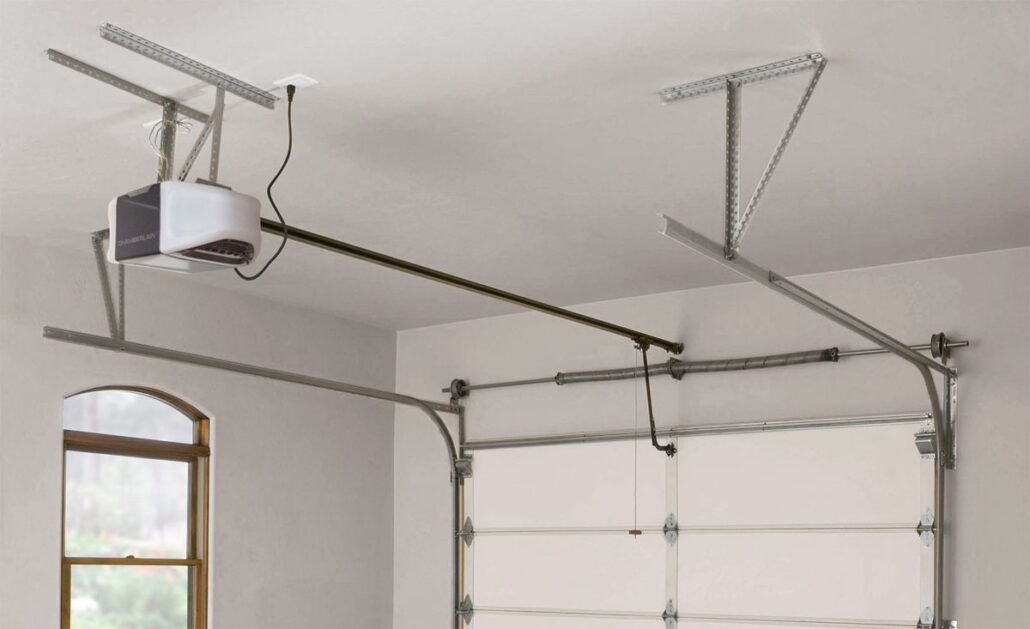
    A new door may look close to the old one, but it may not weigh the same. New panels, glass, added layers or stronger parts can make the door heavier. A heavy door can place more stress on an old opener, even if that opener still turns on.

    The opener should guide the door, not carry all the weight by itself. The springs do most of the lifting work. Still, the opener must move the door through each open and close cycle. If the new door moves slower, shakes more or sounds rough, the old motor may now work too hard.

    This is why the new door’s weight and movement should come first. A strong match helps protect the motor. It also helps the new door move with less strain each day.

    Check Whether The Old Opener Still Fits The System

    Some people keep the same opener after a new door goes in. That can work in some cases, but the old opener should still match the new setup. Motor age, power level, rail shape and drive type all matter. If one part no longer fits, the system may feel weak or loud.

    A small motor may not suit a larger insulated door. A bent rail can pull the door the wrong way. An old chain drive can shake more than the new door needs. Even a working garage opener can be a poor fit if the door has changed.

    The opener should lift and lower the door without stress. If the motor hums, the rail moves too much or the door stops before it should, the old system may need more than a reset.

    Match The Opener To Daily Household Use

    A garage door does not work the same way in every home. Some families open it a few times a day. Others use it all day for work, school, errands, pets, bikes, tools and package drop-offs. That daily use should guide the opener choice.

    A busy home may need a stronger motor, better remotes and cleaner access. A home with many drivers may also need more control options. If children use the keypad or guests need short-term entry, the setup should fit that routine.

    Common daily needs may include:
    • More trips during school, work and errands
    • Separate controls for more than one driver
    • Simple entry for kids, guests or trusted helpers
    • Safer access for packages and stored items
    The opener should make daily life easier. It should not slow the family down or make the garage feel hard to use.

    Plan For Quieter Operation Near Living Spaces

    Noise matters when the garage sits beside a living room, bedroom or home office. A loud opener can shake the wall or wake people up. This can feel worse after a new door goes in because the home expects the whole setup to feel new.

    A quiet opener can help lower sound and shake. Belt-drive openers often run softer than many chain-drive systems. A smooth setup can also cut down on rattling when the door starts and stops.

    The opener is not the only source of noise, though. Old rollers, loose rails or poor balance can also make the door loud. A quiet setup works best when the opener and door parts all move well together.

    Add Smart Access After A Door Upgrade
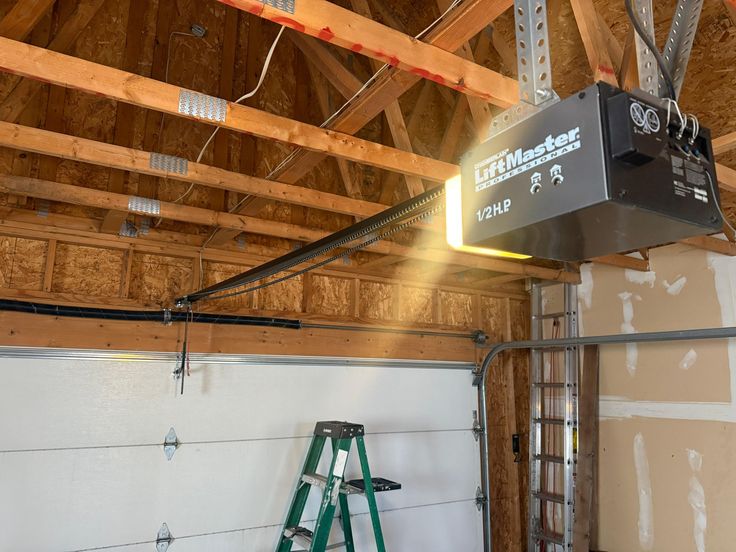
    A new door gives you a good time to update garage access. Many new openers let you use an app, check the door from your phone and get alerts when it opens or closes. This can help when you leave the house fast and wonder if the door stayed open.

    A smart opener can also help with guest entry. You can give access to a family member, worker or delivery person without sharing a spare remote. Some systems let you set limits, so access does not stay open longer than needed.

    Smart access works best when the door system is already in good shape. The app can help you control the door, but it cannot fix weak springs, bad rollers or a strained motor. The hardware still has to work well first.

    Review Safety Features Before Installation

    Safety should be part of every opener plan. A garage door is large and heavy, so the opener must stop and reverse when something is in the way. The photo sensors should sit near the floor and face each other with a clear path.

    Auto-reverse settings also need a check. If the door meets an object, it should go back up. If the lights flash or the door will not close, the sensors may need cleaning, alignment or repair. Good garage safety starts with these simple parts.

    Other safety features can help, too:
    • A manual release for power loss or opener trouble
    • Bright lights for night entry
    • Battery backup for some power outages
    • Stronger remote codes for safer use

    These features help the door work better in real life. They also make the garage easier to use when plans change or power goes out.

    Look At Door Balance Before The Opener Works Harder

    Good door balance helps the opener do its job. When the opener is off, the door should not feel too heavy by hand. It should not slam down or rise too fast. If it does, the springs may not support the door the right way.

    Poor balance makes the motor work harder. The opener may pull too much, stop early or shake during travel. Over time, that strain can wear down the opener and make the new door feel old too soon.

    Springs, tracks and rollers all help the door move. If these parts do not work well, the opener has to make up for the problem. That is not what the motor was made to do.

    Notice The Small Signs Of Opener Strain

    Opener strain often starts in small ways. The door may move slower than before. The motor may hum for a moment before the door starts. The rail may shake. The door may also move unevenly from one side to the other.

    Some openers flash their lights before the door stops. Others close part of the way, then go back up. A delayed remote response can also point to trouble. These signs do not always mean the opener has failed, but they do mean the system needs a closer look.

    After a door upgrade, these signs matter more. The new door may show old problems that were easy to miss before. Fixing small issues early can help protect the new setup.

    Choose Controls That Fit The Family Routine
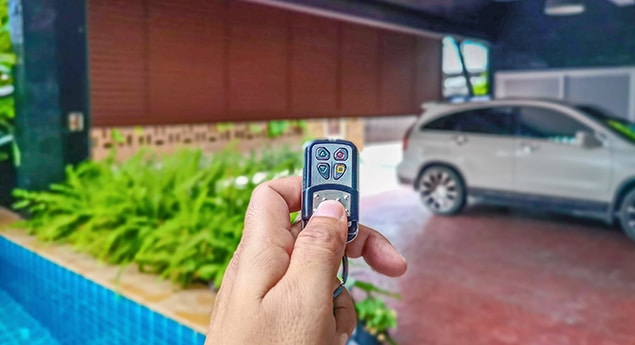
    new auto garage door installed
    Controls should fit the way the home works each day. A wall button should be easy for adults to reach but placed with care around children. Remotes should match the number of drivers. A keypad can help when someone needs entry without a remote.

    Some homes also need vehicle controls or phone access. This can help drivers open the door without searching for a remote. It can also help parents check if the garage stayed open after everyone left.

    A simple home may only need a basic wall control and one remote. A busy home may need more choices. The right controls can make the opener feel easy from the first day.

    Prepare The Garage For A Clean Installation

    A clean opener installation starts with the space around the door. The installer needs room near the ceiling, tracks and header area. Storage bins, bikes, ladders and tools can block access and slow the job.

    The opener also needs a safe power source. It should not depend on a long cord across the ceiling. The rail needs a clear path from the motor to the door. Low ceilings, lights or storage racks can affect where the opener can go.

    Door height matters as well. A taller door may need a longer rail or added parts. Checking these details before work starts helps the new opener fit the garage better.

    Avoid Pairing A New Door With Outdated Parts

    A new opener cannot fix every old part around the door. Worn rollers can drag. Weak springs can make the door feel too heavy. Loose hinges can add noise. Old brackets can shake when the door moves.

    These parts can limit the benefit of the new door and opener. The motor may be new, but the door can still feel rough if the hardware is worn. That can lead to more noise, more strain and more repair needs.

    Before adding a new opener, the full door system should get a check. Rollers, tracks, springs, cables and hinges all matter. A fresh opener works best when the rest of the system supports it.

    Build A Better Garage Setup After The Door Upgrade

    A door upgrade should improve more than the look of the home. It should also make the garage easier, safer and smoother to use. The opener plays a big part in that result.

    The right opener fits the weight of the door, the balance of the system and the needs of the family. It should match how often the door opens, where the garage sits and how people enter the home. It should also support smart access, quiet use and safe movement.

    A1 Garage Door Repair Service helps Bethel Park homeowners set up openers that fit the full garage system. When the opener and door work together, the new door can move with less stress and more control each day.
    Frequently Ask Questions

    Service Information & Answers

    You may be able to keep it if the motor, rail and safety parts still fit the new door. A check can show if it works too hard.

    The sound may come from the opener, rollers, springs, rail or balance. A new door can still make noise if old parts drag or shake.

    Yes, it can help many homes. It gives phone access, alerts and guest entry. It works best when the door parts are in good shape.

    A belt-drive opener often works well near living spaces. It can run with less shake and less sound than many chain-drive systems.

    The opener should not lift too much weight by itself. Good balance helps the door move with less strain on the motor.