
Start With The Parts Winter Strains First
Replace Weak Openers Before Cold Mornings Expose Them
Check Springs Before The Door Gets Too Heavy
Improve Weather Seals Around The Garage Door
Reduce Noise Before The Garage Gets Harder To Use
Add Battery Backup For Storm-Related Power Loss
Upgrade Controls For Snowy Or Dark Evenings
Watch For Tracks That Shift Or Scrape
Choose Materials That Handle Daily Winter Use
- Nylon rollers for smoother and quieter travel.
- Strong hinges that hold up to daily use.
- Matched springs that fit the door weight.
- Low-temp lube that does not get thick too fast.
- Sturdy hardware that helps reduce shake.
Prepare Attached Garages For Better Comfort
Schedule Repairs Before The First Hard Freeze
Make Winter Garage Access Feel Less Risky
Service Information & Answers
Cold air can make old parts stiff. Thick grease, weak springs, worn rollers and dirty tracks can all make the door move slower. Moisture and ice near the floor can also block smooth travel.
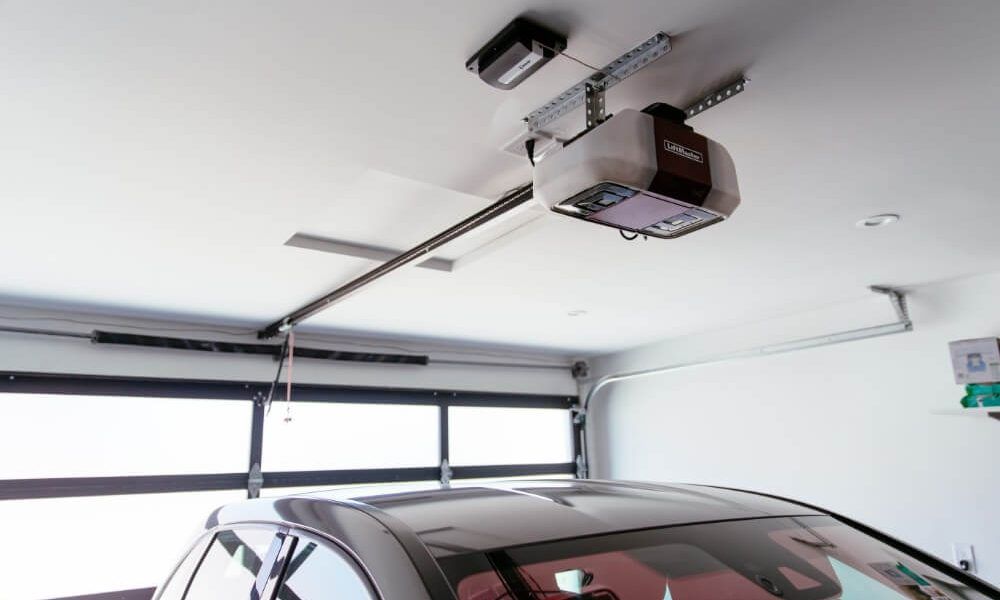
You may need a new opener if the motor hums, starts slow, stops often or fails to lift a balanced door. A technician can check the opener and the door to see if repair or replacement makes more sense.
New seals can help reduce drafts, water, leaves and pests. They work best when the door closes evenly and the bottom seal fits the floor well.
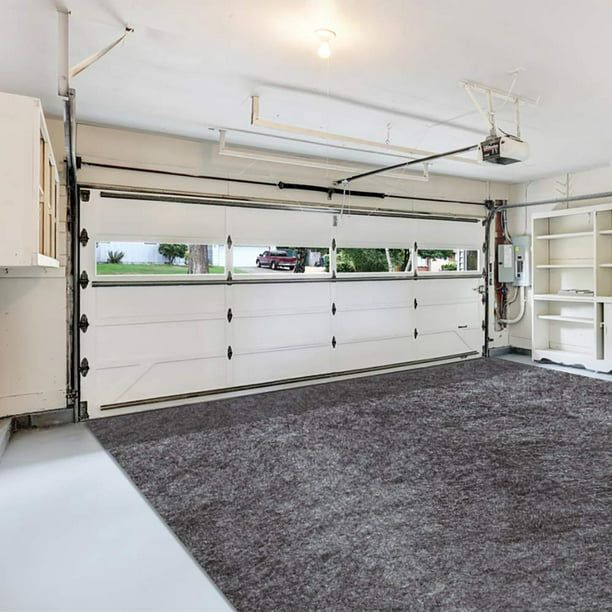
Battery backup can help during a power outage. It lets the opener run for limited cycles, so you can still enter or exit the garage when power is down.
Check door movement, springs, rollers, tracks, opener response, remotes, seals and lights. If the door sounds loud, moves unevenly or feels heavy, schedule service before the weather gets worse.