
How Pittsburgh's Local Garage Door Network Actually Works
- Home inspectors flag broken or visibly fatigued springs during a pre-sale inspection. They don’t repair — they document and refer.
- General contractors doing kitchen or basement remodels often notice a dated garage door system and loop in a specialist before closing out the job.
- Overhead door companies (including our crew) get the actual repair and replacement calls, assess which spring system is installed, and advise on upgrades.
What Torsion Springs Do — and Why Most Overhead Door Companies Prefer Them
- Longer lifespan. A standard torsion spring is rated for 15,000–20,000 cycles. One cycle = one open + one close. If your household uses the door four times a day, that’s roughly 10–14 years of life.
- Smoother operation. The force is applied evenly across the door width, which reduces wear on rollers, tracks, and the opener motor.
- Safer failure mode. When a torsion spring breaks, it stays on the shaft. It doesn’t fly across the garage.
- Better for heavier doors. Pittsburgh’s older homes often have solid wood or insulated steel doors that weigh 150–300 lbs. Torsion systems handle that weight more reliably.
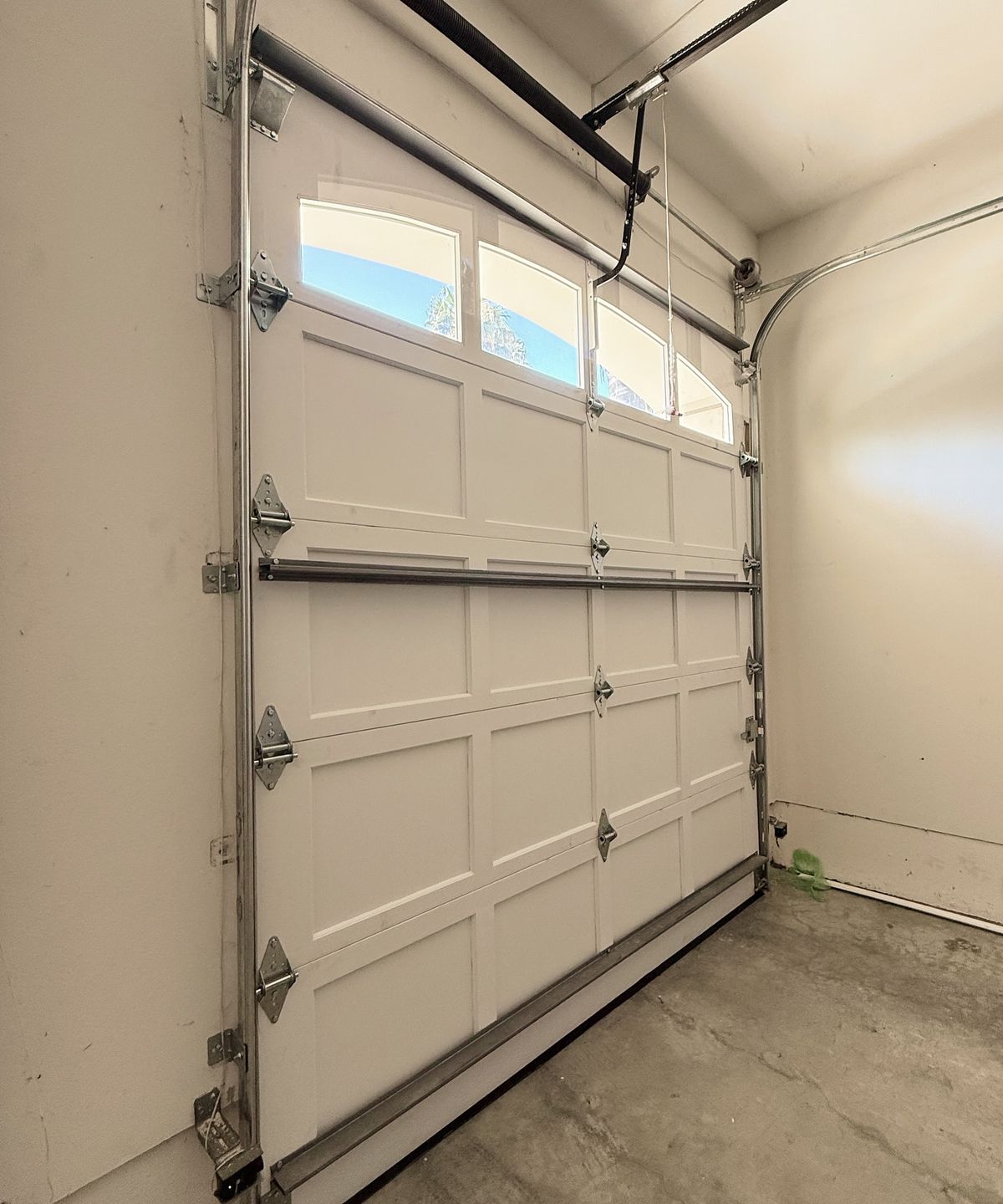
Extension Springs: The Lower-Cost Option with Real Trade-Offs
Is Your Garage Door Giving You Trouble?
When Extension Springs Make Sense
- Low-clearance garages. If your garage ceiling doesn’t have enough headroom for a torsion shaft and drum assembly, extension springs may be your only structural option without significant modification.
- Budget-driven replacements. Extension springs cost less up front — typically $100–$175 per pair installed — making them attractive for rental properties or short-term budget situations.
- Lighter doors. A single-car door weighing under 100 lbs puts less stress on extension hardware.
The Real Trade-Offs
- Shorter cycle rating. Most residential extension springs are rated for 10,000 cycles — roughly 30% less life than a torsion spring.
- Safety cables are non-negotiable. A snapped extension spring becomes a projectile. Safety cables thread through the spring and contain it if it breaks. If you have extension springs without safety cables, that needs to be corrected immediately.
- They wear unevenly. Because each side works independently, one spring often ages faster than the other — which creates an unbalanced door that stresses the opener.
Side-by-Side Comparison: Torsion vs Extension Springs for Pittsburgh Homes
|
Feature
|
Torsion Springs
|
Extension Springs
|
|
Average lifespan
|
15,000–20,000 cycles
|
10,000 cycles
|
|
Typical install cost
|
$150–$250/spring
|
$100–$175/pair
|
|
Safety on failure
|
Stays on shaft
|
Can snap free (needs cable)
|
|
Best for heavy doors
|
Yes
|
Limited
|
|
Works in low headroom
|
Requires standard clearance
|
Yes
|
|
Balanced lift
|
Yes
|
Can be uneven
|
|
DIY-friendly
|
No — high tension, dangerous
|
No — still high risk
|
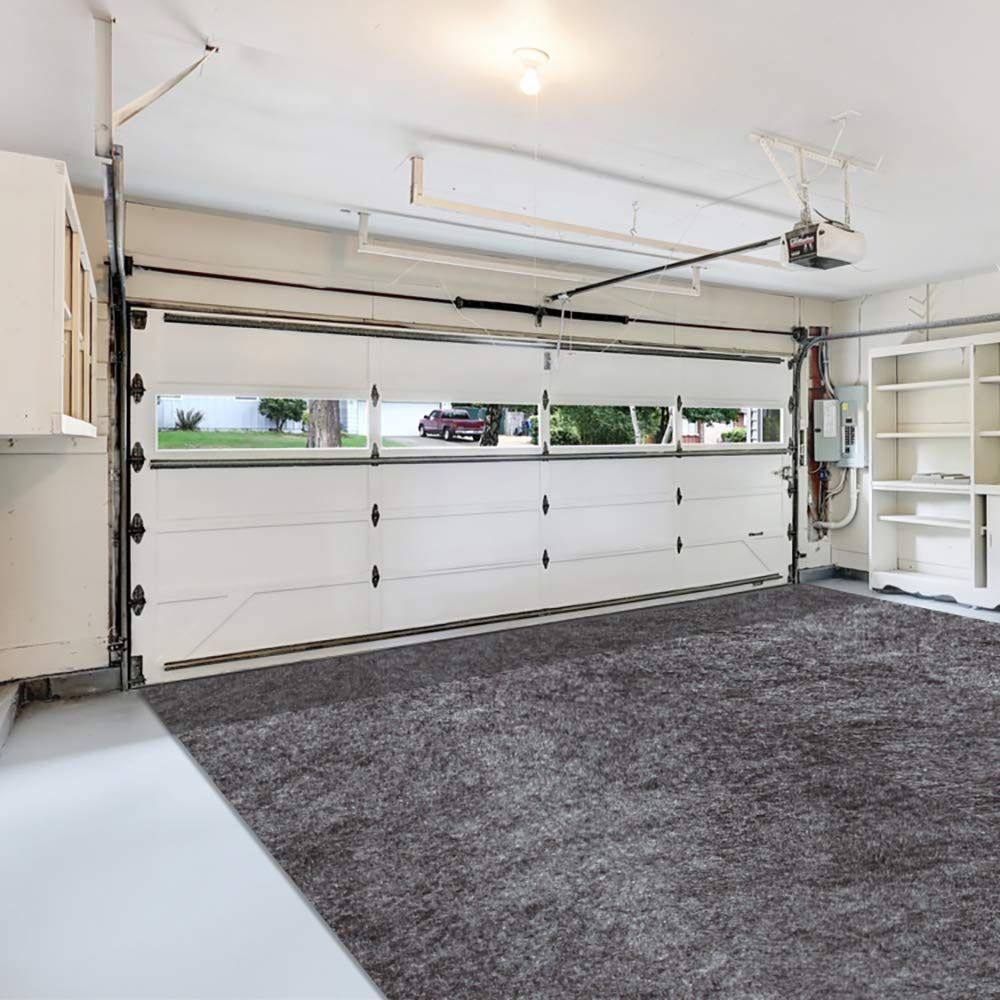
When a Spring Breaks in Pittsburgh: Who to Call and What to Expect
- Diagnosis — We confirm which spring type you have, assess the door’s balance, and check rollers, cables, and drums while we’re there. A spring failure often comes with secondary wear.
- Spring selection — We discuss torsion vs extension based on your door weight, headroom, and budget. We don’t upsell torsion if extension genuinely fits your situation.
- Replacement — Most spring replacements take 45–90 minutes on-site. We always recommend replacing both springs at the same time if they’re the same age — the second one usually isn’t far behind.
- Balance test — We manually test the door balance before leaving. A properly balanced door should hold itself open at about halfway — it shouldn’t drift up or fall.
Frequently Asked Questions About Garage Door Springs in Pittsburgh
Look above the door when it’s closed. If you see a single horizontal spring (or two springs) mounted on a bar running across the top of the opening, that’s a torsion system. If you see springs running along the horizontal tracks on either side of the door, those are extension springs.
Technically you can replace just the broken one, but we almost never recommend it. Springs are sold in matched pairs and age together. If one has failed, the other is likely within months of the same point. Replacing both now saves you a second service call soon after.
For a standard residential door, plan on 45–90 minutes. If we find secondary damage — worn cables, bent drums, or a stressed opener — it can run longer. We’ll always tell you what we find before we proceed.
No. A door without functioning springs puts the entire weight load on the opener motor, which isn’t designed to carry it. You risk burning out the opener, straining cables, or having the door drop unexpectedly. Stop using it until the spring is replaced.
For torsion springs, expect $150–$250 per spring including labor. Extension springs run $100–$175 for the pair. Prices vary based on door size, spring specifications, and whether additional hardware (cables, drums) needs attention. We give straightforward quotes before starting any work.
How Spring Choice Connects to Your Overall Garage Door Health