
A homeowner in Uniontown called after the garage door stopped moving. They thought the opener had failed. But the trouble started at the side of the door. One track had shifted. A search for Garage door opener repair Uniontown PA starts with the motor, yet the door path can be the main source.
This case from A1 Garage Door Repair Service shows how a track issue can grow. The door had made a light scrape sound and looked crooked while going up. The owner kept using it because it still opened. After cycles, the drag got worse, the motor got hot, and the gear wore down. What looked like opener failure was really a garage track problem.
How Track Misalignment Disrupts the Entire Garage System
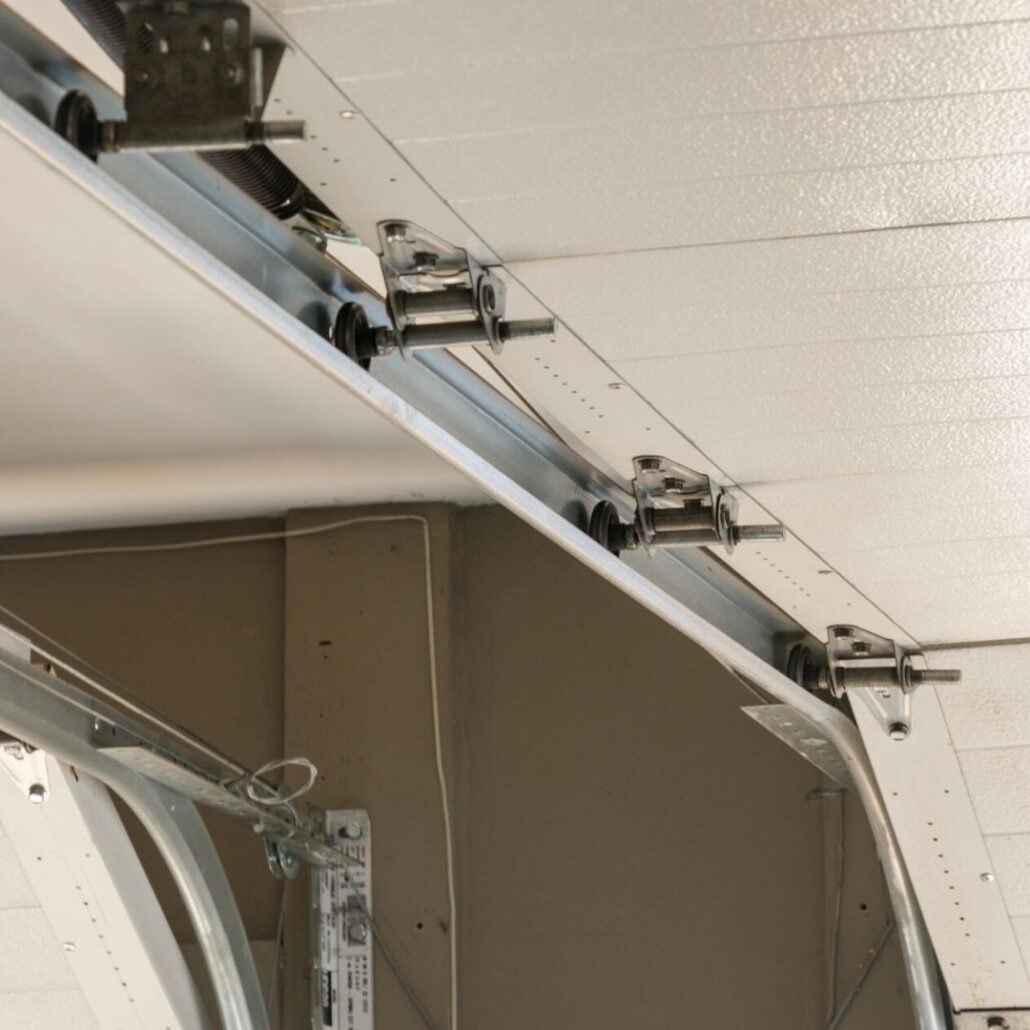
A garage door works as one system. The tracks guide the rollers. The springs help with the weight. The opener pulls the door. When one part moves out of place, the rest of the system has to react. That is how a small shift can grow into a garage system failure.
One vertical track had moved enough to change the roller path near the curve. The door still moved, but not in a clean line. One side dragged more. That made the door shake and pull at an angle. The stress then spread to the rollers, brackets, and opener.
The Relationship Between Tracks and Opener Performance
The opener is built to move a door that is balanced and guided well. It is not built to force a door through a bad path every day. When the tracks are straight, the motor sees a steady load. When the tracks shift, the load changes through the cycle.
That uneven load creates garage door resistance. The opener must work harder to move the same door. Over time, the extra effort turns into opener motor strain. The motor may still run for a while, but each trip adds heat and wear. That is why a track issue can shorten opener life.
Common Causes of Track Shifting in Residential Garages
Track shifting often starts with a hit. A car tire can tap the lower track. A trash bin can bump it. The metal may still look fine, yet the position can change enough to affect the rollers. That is a common start for track misalignment Uniontown calls.
Other times, the cause is slow wear. Brackets can loosen. Wall fasteners can back out. A poor install can leave the tracks slightly off from the start. Then daily use makes that flaw worse. In older garages, the wall framing can move over time.
Why Even Slight Track Angles Create Major Resistance
Garage doors have little room for bad angles. The rollers need a smooth path. When the track tilts even a little, the roller stem pushes in the wrong direction. Instead of rolling cleanly, it rubs and binds. That is why a minor angle can cause a major rise in force.
Homeowners often say the track is only a little off. The door feels that change on every cycle. One side may glide while the other side drags. That can make the door move garage door uneven. It can also pull on hinges and brackets.
How Rollers React to Misaligned Tracks
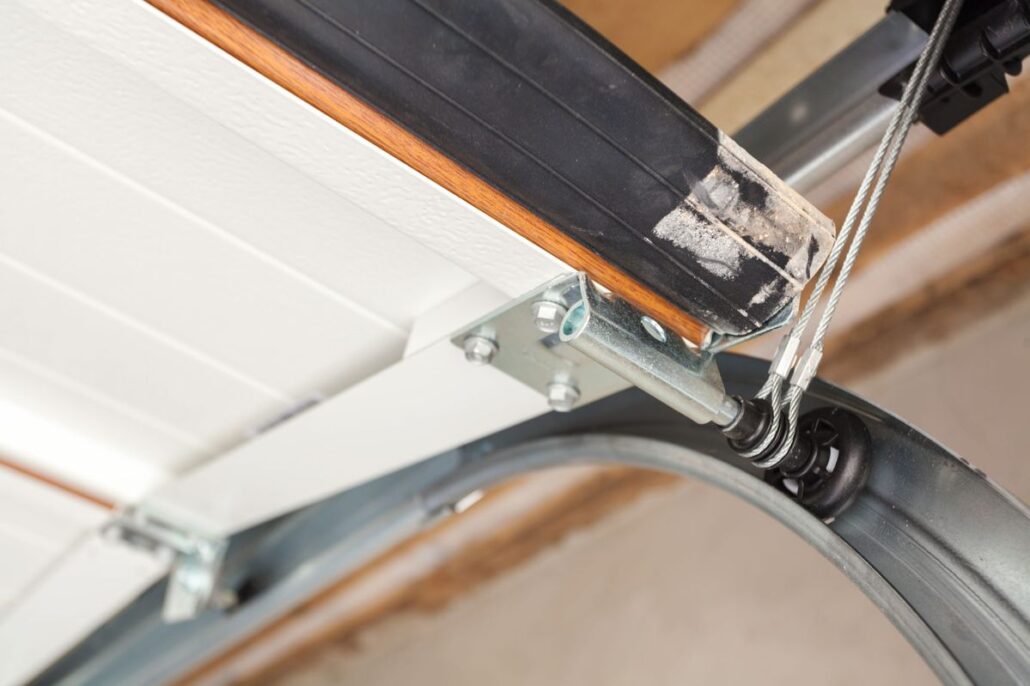
Rollers are often the first parts to show damage. They are made to roll, not scrape. When the track shifts, the rollers can rub the track wall and wear down fast. Nylon rollers may crack or flatten. Steel rollers may grind or rattle. Motion gets rougher and louder.
In the Uniontown job, the left rollers showed more wear than the right rollers. That showed the door was not traveling the same way on both sides. This is common with misaligned garage tracks. The rollers keep trying to follow the path they are given, even when that path puts side force on them.
The Stress Misalignment Places on Opener Motors
When the door binds, the opener must make up the difference. It has to pull harder at the start and keep pulling through the rough spots. That extra work builds heat inside the motor and stress in the drive parts. Belts, chains, gears, and boards all feel that extra load.
This is often the real opener breakdown cause. The opener did not fail by itself. It failed because the door was fighting it every day. Left alone, the motor may stall, reverse, or stop. In many homes, the opener quits first, but it is not the part that started the trouble.
Visual Indicators of Track Problems Most People Ignore
Many track issues leave signs before the door stops. A roller may sit a bit off in the track. A bracket may look loose. Shiny rub marks may appear inside the metal. The gap between the track and roller may not look the same on both sides. These clues are easy to miss.
The door itself can also show the problem. It may lean a little when half open. It may shake at one spot in the trip. It may slow down near the curve. In many homes, the first stage of a garage track problem is quiet and small. That is why people miss it until the opener acts up.
Noise Patterns That Signal Track Misalignment
Sound changes are one of the clearest warning signs. A healthy garage door should have a steady sound. It should not scrape, click, or grind at the same spot every time. When the sound changes in one point of travel, the path often has a problem.
People often hear a light scrape first. Then they hear a pop, a rattle, or a louder hum from the opener. Those sounds matter because they show where friction is building. Listening early can help catch the issue before more parts wear out.
Why Forced Operation Makes the Problem Worse
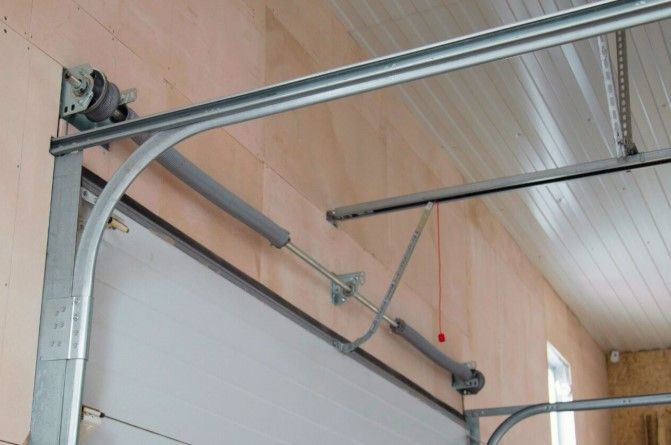
A door that still moves can fool people. They think it is safe for one more day. Then one more week passes. Each cycle adds more wear. The rollers rub harder. The track shifts more. The motor heats up more. A small repair can grow into a bigger job.
Forced use also adds safety risk. A dragging door can stop short, reverse, or jerk during travel. It can leave the opening partly open. It can also strain other parts of the system. Once a door starts binding, more use usually makes the damage spread.
Realignment vs Replacement: What Actually Solves It
Not every bad track needs full replacement. In many cases, a track alignment fix is enough. If the metal is still straight and the brackets can hold well, the track may only need to be reset and secured. The rollers and nearby hardware should be checked too.
Replacement is the better choice when the track is bent, crushed, cracked, or too worn to hold shape. A tech should also check the mounting points and the door balance before deciding. The goal is to correct the reason it started binding.
How Track Issues Affect Door Balance and Safety
Track trouble changes more than door travel. It can change door balance too. A garage door should rise and lower in a steady way. When one side drags, the load shifts. That can put extra force on hinges, rollers, cables, and the opener arm. It can also make the door feel shaky.
That matters for safety. A door that moves at an angle can jam or hit a rough spot hard. It can also wear parts at different rates, which raises the chance of later failure. A garage door is a large moving object, so it needs a clear and even path to stay safe.
Preventing Recurring Track Misalignment Problems
Long term repair means fixing the cause, not just pushing the track back. If a bracket loosened, it has to be secured. If worn rollers helped move the track, they should be replaced. If the wall area is weak, that has to be fixed too. Good track repair Uniontown work checks the full system.
Homeowners can help by watching for early changes. A new scrape sound matters. A crooked door matters. A slow spot matters. Quick service can stop a small shift from turning into a bigger repair. It can also keep the opener from working harder than it should.
Frequently Ask Questions
Service Information & Answers
A louder hum often means the motor is working harder than normal. That usually happens when there is garage door resistance from a track issue or roller friction.
It is not a good idea. Even a small track shift can get worse with use. More cycles can wear the rollers, strain the opener, and make the repair bigger.
No. Some cases only need a track alignment fix. Full replacement is usually needed when the track is bent, cracked, crushed, or too worn to hold the right shape.
Rollers start rubbing instead of rolling cleanly. That can cause noise, fast wear, and rough travel. Over time, the door may begin to shake or bind.
The real opener breakdown cause was the shifted track. The opener kept pulling against resistance until the motor and drive parts wore down.
A bad track path can make the door unstable. It may jerk, stop, or travel at an angle. That raises the risk of part failure and unsafe door movement.
The best repair checks the full system. Good track repair Uniontown service should secure the brackets, inspect the rollers, and correct the reason the track moved in the first place.