
A1 Garage Door Logo 1

When Your Garage Door Opens by Itself in Bethel Park: Signal Interference Explained

    A garage door that moves by itself can feel scary. It can also put home safety at risk if the door stays open overnight. You may look for a bent track or a bad spring. But the cause is not always a broken part. In many homes, the trouble starts with the opener and the signals around it. People who read about Garage door opener repair Bethel Park PA are often trying to solve this.

    At A1 Garage Door Repair Service, we see this in Bethel Park homes. A remote sends a radio signal. The opener hears it and moves the door. When the wrong signal gets in, the garage door opens when no one wants it to. That can happen from old parts, nearby devices, or poor wiring.

    Hidden Frequency Overlaps in Residential Neighborhoods
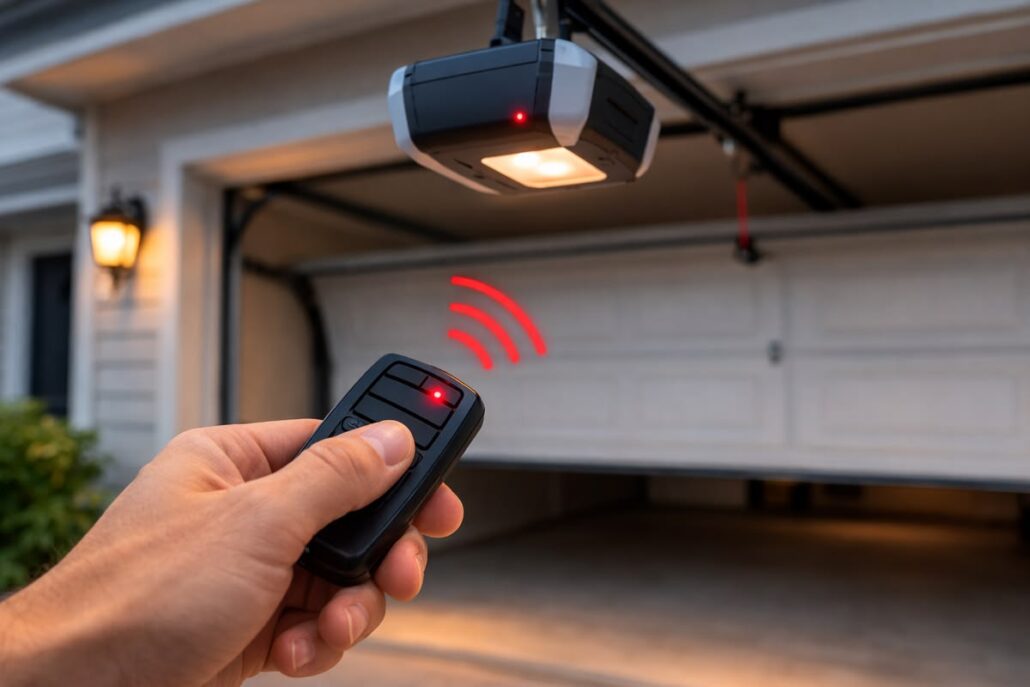
    Many garage door openers use radio waves to hear the remote. In a neighborhood, many homes may use devices that send signals at the same time. Those signals can mix. When that happens, the opener may hear a command that was not meant for it. This is one way garage signal interference starts.

    This is more common where homes sit close together. One home may have a gate remote. Another may have an old garage remote. A work van may have a transmitter too. If your opener is old or weak, it may react to a nearby signal. That can look like a small opener signal issue.

    How RF Signals Travel Through Walls and Garages

    Radio signals do not need a clear path like light does. They can move through wood, glass, and drywall. They can also bounce off some surfaces and find a way into the garage. That is why the source may not be right in front of the door.

    Metal can block some signals, but it can also reflect them. So the signal may move in a way that is hard to guess. A device inside a car, a room next door, or a home across the drive may still reach the opener. That is why rf interference garage cases can be hard to track.

    Common Household Devices That Disrupt Garage Signals

    Many people think only the remote can talk to the opener. That is not true. Other items in and around the garage can add noise. LED bulbs, chargers, cameras, routers, and smart plugs can all affect signal quality.

    When this happens, you may notice small signs first. The remote may work only near the door. It may work after two or three tries. The wall button may work fine while the remote does not. These clues point to a garage signal problem.

    A short check can help:
    • Turn off new LED bulbs near the opener.
    • Unplug chargers or smart devices one at a time.
    • Test the remote from the same spot each time.
    • Put in a fresh remote battery.

    The Role of Neighboring Garage Systems in Signal Conflict

    A close home can affect your opener. Some older systems use a small set of code choices. That means another remote nearby may send a code close to yours. The opener may hear it at the wrong time and move. This kind of garage remote conflict can happen in tight rows of homes.

    The timing is often the clue. The door opens randomly when people leave for work, come home, or use their garage more on weekends. You may think your opener has a mind of its own. But the pattern may match the routine of someone nearby.

    Why Older Openers Are More Vulnerable to Interference
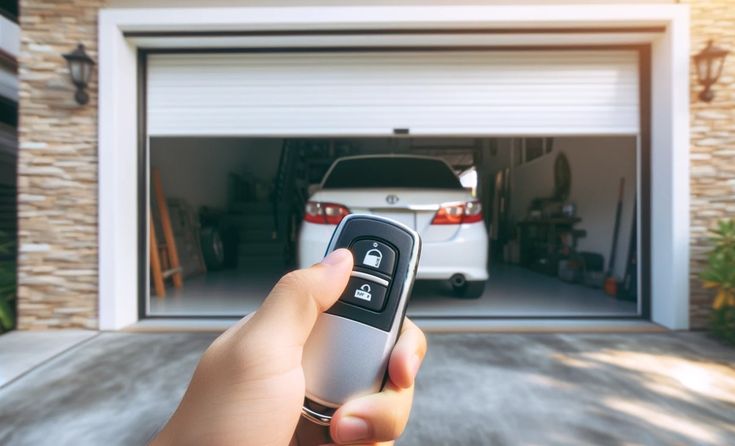
    Older openers were made for a quieter signal world. Years ago, homes had fewer wireless tools and fewer smart devices. Many old systems use simple receivers and less safe code systems. That makes them easier to confuse.

    Age also wears down the parts inside the opener. A weak board, old wire, or dirty antenna point can make the unit too sensitive. Then a small outside signal can sound bigger than it is. This can feel like an opener frequency issue, even when the real problem is age plus noise.

    Smart Home Devices vs Traditional Openers

    Smart home tools are useful, but they can crowd the air around the garage. Cameras, Wi-Fi hubs, video doorbells, and smart plugs all add more signal traffic to the home. They may not use the exact same band as the opener, but they can still add noise or stress weak parts.

    A newer home device can also expose an older opener problem that was hiding. The opener may still work, but only from a short range or only at odd times. That is one reason people ask about garage opener rf trouble after adding new tech.

    Diagnosing Random Open Cycles Without Visible Causes

    When the tracks and springs look fine, the next step is to watch the pattern. Does it happen after rain? Does it happen only at night? These details matter because random openings often follow a pattern.

    A good check starts with simple steps. See if the wall button works every time. See if one remote fails more than another. See if the problem stops when a nearby device is unplugged. These checks help tell signal trouble from a broken part. They also help show where the issue is.

    Smart Home Devices vs Traditional Openers

    The opener antenna is small, but it matters a lot. If it is bent, tucked up, damaged, or pressed against metal, the signal may not reach it well. Then the opener may miss good commands and hear bad ones. That can make the whole system feel jumpy.

    A poor antenna setup can also change where the remote works. You may have to stand in one small spot to open the door. Or the door may react when a car passes but not when you press your own remote. In some homes, a simple remote interference fix starts with the antenna.

    Weather and Environmental Impact on Signal Stability
    Weather can change how garage equipment behaves. In Bethel Park, wet air, cold nights, and quick shifts in heat can affect wires and small parts. Moisture can get into weak points in the opener or wall control.

    Storms can also bring extra noise on the power line. A unit that already has weak parts may act up more during bad weather. This can look like a new signal fault, but the weather may only expose an old one. That is why a full check matters when the problem comes and goes.

    Why Rolling Code Technology Reduces False Activations

    Rolling code systems help stop false openings. Each time you use the remote, the code changes in a matched way between the remote and the opener. That means a stray signal is much less likely to make the door move. It also helps stop old code copying problems.

    For homes with repeat false openings, this update can help a lot. It cuts down the odds that a nearby signal will be read as your command. It also gives better safety than many old systems.

    Short-Term Fixes vs Permanent Signal Solutions

    Some fixes are quick and worth trying first. Fresh batteries, a new light bulb, a moved router, or a reprogrammed remote may help for a while. These small steps can be good when the problem is new and mild.

    But quick fixes do not always last. If the receiver is weak or the board is failing, the same trouble may return again. In that case, the better fix may be a new receiver, new wiring, or a full opener upgrade. A full repair solves the cause.

    When Interference Indicates a Deeper Electrical Problem

    Not all strange opening events come from outside signals. A loose wire, bad wall control, worn board, or poor outlet can make the opener act like it heard a command. That is why testing should not stop with the remote. The full system needs a close look.

    A deeper power or wiring fault can copy the signs of signal trouble almost exactly. The opener may move at odd times, miss commands, or work only part of the time. When that happens, the issue may be more than a simple signal mix. A trained garage door technician can sort out the true cause.
    Frequently Ask Questions

    Service Information & Answers

    Yes. A bad remote can send a weak or mixed signal. A stuck button can also cause trouble. This can look like the door opens randomly when the real problem is the remote itself.

    Look for a pattern. The remote may work only sometimes. The wall button may still work fine. The door may move when other devices are on. These are common signs of garage signal interference.

    Yes, it can happen, mostly with older systems. If two openers use old code types, one remote may affect the other. This is a common type of garage remote conflict.

    Yes. Some LED bulbs make signal noise. That noise can block or confuse the opener receiver. This can lead to a garage signal problem.

    This may mean the battery is weak. It can also mean the antenna is in a bad spot, or there is garage opener rf noise in the area. A weak receiver can cause the same problem too.