
A1 Garage Door Logo 1

Why 2026 Is The Best Time For Garage Door Installation Pittsburgh PA: Cost And Materials

    For homeowners ready to make a move, 2026 has shaped up to be one of the strongest years in a decade for upgrading garage doors. From lower material costs and better availability to smarter features and energy savings, the market has shifted in favor of homeowners looking to install now—especially across Pennsylvania. Whether you’re dealing with an outdated door, improving your home’s exterior, or simply boosting insulation and safety, the data shows one thing clearly: it’s a smart time to act.

    Garage doors in Pittsburgh take a beating. Between freezing winters, spring moisture, and heat shifts in late summer, older doors simply can’t hold up. Many systems installed before 2012 now show signs of warping, poor insulation, or noisy, outdated operation. The push toward better energy efficiency and property value has only accelerated the trend toward replacement.

    In 2026, several key factors are coming together to drive a surge in garage door installation Pittsburgh PA, including stabilizing costs, improved material performance, and better timing for long-term value. Understanding how pricing, materials, and seasonal conditions align this year helps homeowners make smarter installation decisions with fewer surprises.

    2026 Garage Door Installation Costs: What Homeowners Are Paying Now
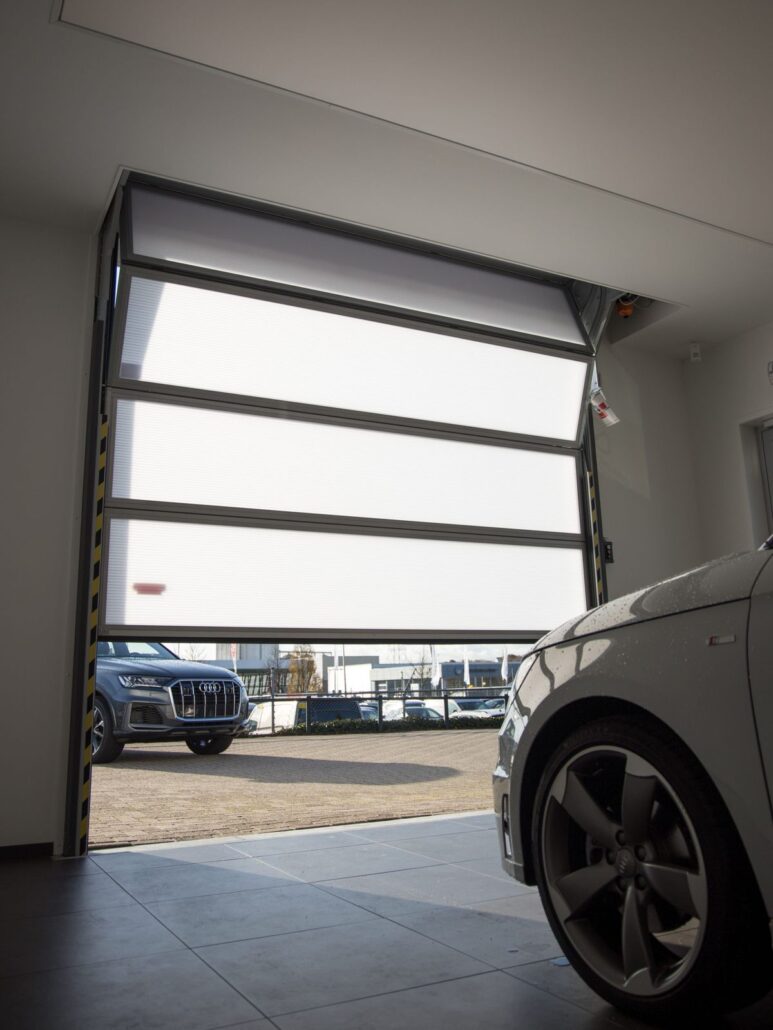
    With economic conditions stabilizing, garage door installation pricing has become far more predictable in 2026. The shockwaves from supply chain disruptions in previous years have eased, and material costs—particularly for steel and aluminum—have leveled off. That’s allowed contractors and suppliers to return to standardized pricing, giving Pittsburgh homeowners much-needed clarity when budgeting for upgrades.

    Let’s start with a real look at local data. Here’s a table outlining average 2026 garage door installation costs in the Pittsburgh metro area, based on system type and material:


    Door Type & Material


    Average Installed Cost (2026)


    Notes


    Single-layer steel door


    $850 – $1,100


    Least insulated, basic hardware


    Insulated steel (2 or 3 layer)


    $1,200 – $1,850


    Most popular choice in 2026


    Full-view glass door


    $2,000 – $3,400


    Style-focused, modern builds


    Custom wood overlay


    $2,800 – $4,500+


    High maintenance, premium design


    Smart-enabled with opener


    Add $300 – $750


    Wi-Fi and mobile app integration


    In 2026, more than 65% of new installs in Pittsburgh involve 2- or 3-layer insulated steel doors. Why? Because they strike the perfect balance between cost, durability, and energy performance. Homeowners are looking for doors that don’t just open and close—they want solutions that help lower heating costs, reduce outside noise, and operate reliably year-round.

    There’s also been a noticeable shift toward the integration of smart technology. Adding a smart opener, battery backup, and app control now accounts for about 30% of all upgrades—a massive jump from just 12% in 2023.

    Key factors influencing pricing in 2026 include:
    • Material quality (gauge, insulation, finish)
    • Hardware upgrade options (rollers, springs, brackets)
    • Opener selection (AC vs DC, smart vs manual)
    • Labor availability and project timing
    • Removal/disposal of existing doors

    Homeowners who choose professional installation avoid many of the issues seen in DIY attempts—misaligned tracks, damaged panel edges, and incorrect spring tension that leads to premature wear.

    Right now, Pittsburgh’s garage door installation market is more stable than it’s been in years. Costs are lower than the inflation highs of 2022–2023 and haven’t yet spiked again. This window of affordability won’t last forever, especially as demand continues to grow into late 2026.

    Comparing Garage Door Materials: What Performs Best In Pittsburgh’s Climate

    Choosing the right material is more than a style decision—it’s the difference between a system that lasts 25 years and one that struggles after six winters. Pittsburgh’s freeze-thaw cycles, spring moisture, and summer humidity demand garage doors that can flex, insulate, and resist corrosion. Not all materials are cut out for the job.

    Here’s what technicians in the field and 2026 performance reports say about the top garage door materials being installed in Pittsburgh homes:

    1. Steel (2- and 3-layer):
    Still the most popular in 2026. These doors combine durability and insulation, especially when filled with polyurethane foam. They resist warping, hold up in below-freezing temps, and require minimal maintenance. Galvanized finishes protect against rust in moist conditions.

    2. Aluminum and Glass:
    A sleek option for modern homes and high-visibility projects. Aluminum resists rust better than raw steel but lacks the insulation performance. Best when combined with thermal break technology. In Pittsburgh, these doors do well in detached garages but are less energy-efficient than insulated steel.

    3. Wood:
    Classic look, high maintenance. Real wood absorbs moisture, warps with weather, and requires constant sealing. In areas like Mt. Lebanon or Squirrel Hill, where aesthetics drive decisions, custom wood doors are still installed—but rarely without an insulated core and a full drainage plan.

    4. Composite/Overlay Doors:
    These mimic the look of wood with far better performance. Fiberglass or vinyl over steel, with foam insulation, offers the best of both worlds—insulation, style, and weather resistance. Ideal for homeowners who want upscale visuals without maintenance headaches.

    5. Full Vinyl:
    Affordable and water-resistant, but limited in design and customization. These are good for budget installations or detached garages in damp areas.

    When comparing materials, you’ll want to factor in:
    • Insulation rating (R-value)
    • Resistance to warping or denting
    • Noise reduction
    • Maintenance schedule
    • Finish durability and UV resistance

    2026 service data from Pittsburgh contractors shows that steel/composite hybrids now account for more than 70% of new installations in the area, thanks to their year-round performance. They’re quiet, clean-looking, energy-efficient, and far less likely to fail when snow or ice starts building up.

    Homeowners looking for garage door installation Pittsburgh PA in 2026 should focus less on what looks trendy and more on what handles western Pennsylvania’s weather. A great-looking door is only worth the investment if it stays strong through the seasons.

    New Energy-Efficient Features In Modern Garage Door Systems

    Garage doors are no longer just barriers—they’re performance tools. In 2026, new garage door installations across Pittsburgh are being driven not just by broken panels or old hardware, but by homeowners demanding better energy efficiency. And the truth is: newer systems can save money, reduce heating loss, and improve comfort in attached garages.

    Let’s break down what’s now standard—or quickly becoming expected—in energy-efficient garage doors.

    1. Polyurethane Foam Insulation (High R-Value):
    Many 3-layer steel doors now come filled with pressure-injected polyurethane. This foam creates a rigid core that improves both thermal performance and structural strength. R-values can reach R-17 or higher, which significantly reduces heat transfer between the garage and interior rooms.

    2. Thermal Breaks and Weather Seals:
    Thermal breaks—non-metallic barriers within the door—stop heat transfer between the interior and exterior metal layers. Combined with top seals, bottom sweeps, and side weatherstripping, these features seal off drafts and moisture.

    3. Insulated Glass Panels (for Full-View Doors):
    Glass panel doors no longer mean energy waste. Dual-pane insulated glass is now standard for modern glass garage doors. These panels resist frost buildup and reduce condensation while still letting light in.

    4. Smart Opener Energy Management:
    Wi-Fi-enabled openers with soft start/stop motors consume less energy and reduce door vibration. Some systems now include energy usage tracking, allowing homeowners to monitor cycles and adjust usage patterns.

    5. Eco-Friendly Materials & Finishes:
    Manufacturers are offering recycled steel options and low-VOC powder coating finishes. In Pittsburgh neighborhoods where environmental standards are rising, this adds value to resale as well.

    6. Insulated Door Panels + Smart Climate Sync (High-End Systems):
    Top-tier garage doors now integrate with smart thermostats like Ecobee or Nest. These systems can sync to shut the door automatically when indoor temperature changes dramatically—especially useful during Pittsburgh’s quick spring cold snaps.

    A recent report from Western PA Green Building Council found that homeowners who upgraded to modern insulated garage doors in 2025–2026 saw up to 15% reduction in heating usage compared to pre-2010 doors. In neighborhoods with attached garages, that’s a meaningful drop in energy waste.

    Bottom line: insulation isn’t optional anymore—it’s expected. A new garage door system that doesn’t offer strong energy performance is a missed opportunity in 2026.

    Smart Garage Door Technology And Opener Integration In 2026
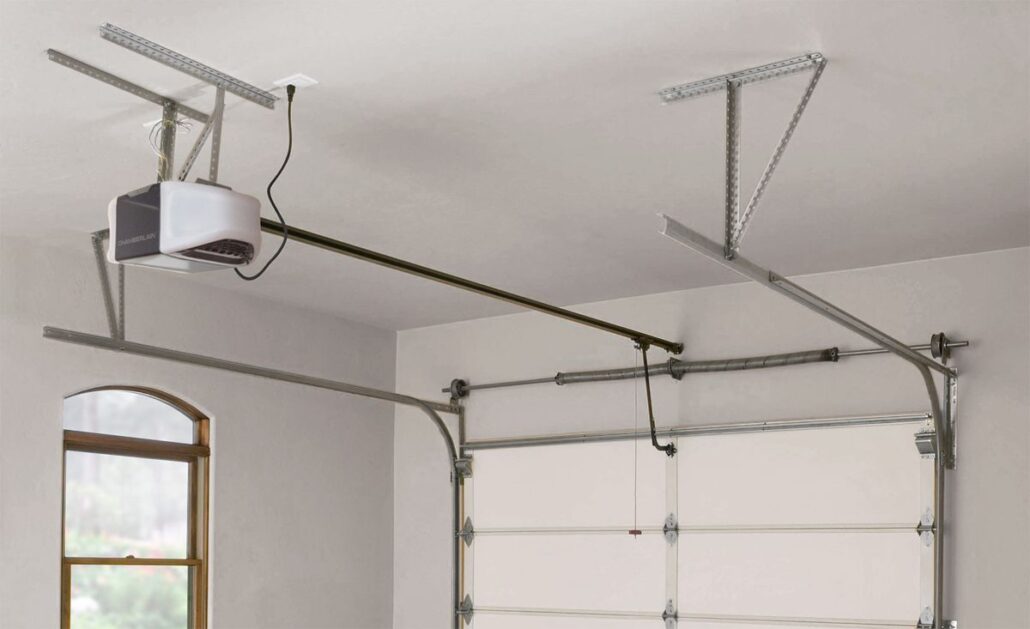
    Garage door technology has made a serious leap in the past three years. In 2026, garage door installation across Pittsburgh almost always includes smart system integration. From secure app-based controls to energy tracking and real-time status updates, smart openers are no longer a luxury—they’re the standard.

    Let’s break down what this looks like in a modern Pittsburgh install:
    • Wi-Fi or Bluetooth enabled openers
    • Smartphone app control (remote open/close)
    • Push notifications for open/close events
    • Auto-close timer features
    • Integration with smart home hubs like Alexa, Google Assistant, Apple HomeKit
    • Battery backup for power outages
    • Camera integration (in select models)

    What Pittsburgh homeowners are asking for in 2026 isn’t fancy tech—it’s function and security. They want to:
    • Know when the door is open
    • Get alerts if it’s left open
    • Check status from work, school, or vacation
    • Set routines based on weather or schedules

    Smart openers also provide service-tracking data—how many cycles the door runs per week, how the motor performs under load, and whether the sensors are working correctly.

    One growing concern among homeowners in Pittsburgh has been garage break-ins through unsecured or outdated systems. Smart openers now use rolling-code technology that prevents frequency hacking and unauthorized entry attempts. Paired with secure Wi-Fi and multi-device monitoring, they close the gaps left by older remotes.

    Technicians installing doors in 2026 are recommending:
    • DC-powered motors for energy efficiency and smoother operation
    • Integrated LED lighting to replace dim garage bulbs
    • Auto-lock deadbolt systems for doors with security upgrade packages

    Pittsburgh homes with attached garages, side entries, or basements directly off the garage see the biggest benefit from this tech—both in convenience and safety.

    When To Replace vs Repair: Installation Timing Tips For Pittsburgh Homes

    One of the most common questions from Pittsburgh homeowners in 2026 is whether to push forward with full garage door installation—or stick with another repair. The decision often comes down to cost, age, energy loss, and reliability.

    You should seriously consider replacing your garage door if:
    • The door is 12–15+ years old
    • Panels show warping, rust, or separation
    • Springs and openers have failed more than once
    • Your current door is uninsulated
    • It lacks compatibility with modern opener systems
    • The garage feels cold or drafty despite recent repairs

    You might still benefit from targeted repairs if:
    • The door is under 10 years old
    • Damage is isolated to rollers or hardware
    • The insulation is intact and sealing still works
    • You just replaced the opener recently

    2026 service data from Pittsburgh repair companies shows that 42% of full installations were booked after 2 or more repair visits within 18 months. This shows a clear pattern: homeowners are spending hundreds trying to extend the life of a door that’s already outlived its performance window.
    In most cases, if a new install can:

    • Lower energy bills
    • Improve curb appeal
    • Eliminate recurring noise/operational issues
    • Add smart features
    • Increase property value

    …then the long-term gain outweighs the short-term repair cost.
    Pittsburgh’s current climate and housing market make timing necessary. Doors ordered in early spring often install faster and cost less than those booked last-minute in late fall or before winter freezes. Material availability is steady now—but that could change by Q4.
    Don’t wait until the next breakdown. Use seasonal trends, system age, and energy performance to guide your decision.

    How We Help With Garage Door Installation Services in Pittsburg PA

    Choosing the right time to upgrade your garage door isn’t just about convenience—it’s about maximizing performance, safety, and long-term value. In 2026, Pittsburgh homes need door systems that handle the weather, reduce energy waste, and work seamlessly with modern smart tech. The right installation does more than look good—it functions better every single day.

    From choosing the right material for your home’s orientation to installing fully insulated doors and smart openers, every part of the process matters. Whether your priority is reducing heating bills, modernizing your garage space, or replacing an aging door that’s already showing its age, timing your installation now puts you ahead.

    If you’re exploring options for new garage door installation, don’t leave it until the next hardware failure or winter cold snap. Book a consultation with A1 Garage Door Repair Service and connect with a team that’s ready to help you evaluate options and plan your installation.
    Frequently Ask Questions

    Service Information & Answers

    In 2026, the average cost of a garage door installation in Pittsburgh ranges from $1,200 to $1,850 for insulated steel models. High-end custom doors or full-view glass options can exceed $3,000. Pricing depends on size, material, insulation level, and whether a brilliant opener is included in the installation.

    Insulated steel doors with polyurethane cores perform best in Pittsburgh’s climate. They resist moisture, reduce drafts, and stay structurally stable through freeze-thaw cycles. Composite overlay doors also offer strong weather resistance with less maintenance than wood, making them another top choice for long-term performance.

    Yes—2026 offers ideal timing due to stable pricing, improved materials, and better availability. If your current door is over 12 years old, lacks insulation, or frequently malfunctions, a new system will boost energy efficiency, reduce repair costs, and integrate better with modern smart home setups.

    Modern doors include high R-value insulation, thermal breaks, weather seals, and smart opener compatibility. These features help stabilize garage temperatures, reduce HVAC strain, and block drafts—especially in attached garages. Homes in Pittsburgh see real energy savings from upgraded systems, particularly during the heating season.

    Absolutely. Most garage door installations in 2026 include Wi-Fi enabled openers with mobile app control, auto-close settings, battery backup, and integration with Alexa or Google Assistant. Technicians often install smart systems alongside the door to ensure compatibility and full system optimization from day one.