
A1 Garage Door Logo 1

When Your Opener Hums but Doesn’t Lift: Gear Strip Failures in Monroeville

    A garage door should move when you press the button. When it does not move, but the opener makes sound, that can be a sign of trouble inside the unit. In Monroeville homes, this often points to a worn gear and not a dead opener. On the page for Garage door opener repair Monroeville PA, this kind of issue fits the way many opener problems start.

    This issue is common in older units and in doors that put too much stress on the opener. The motor may still have power. The lights may still work. The remote may still send a signal. But the force from the motor does not reach the part that lifts the door. That is why an opener humming noise should not be ignored. It can be the first clear clue that the opener is close to a full stop.

    What the Humming Sound Actually Indicates Inside the Motor
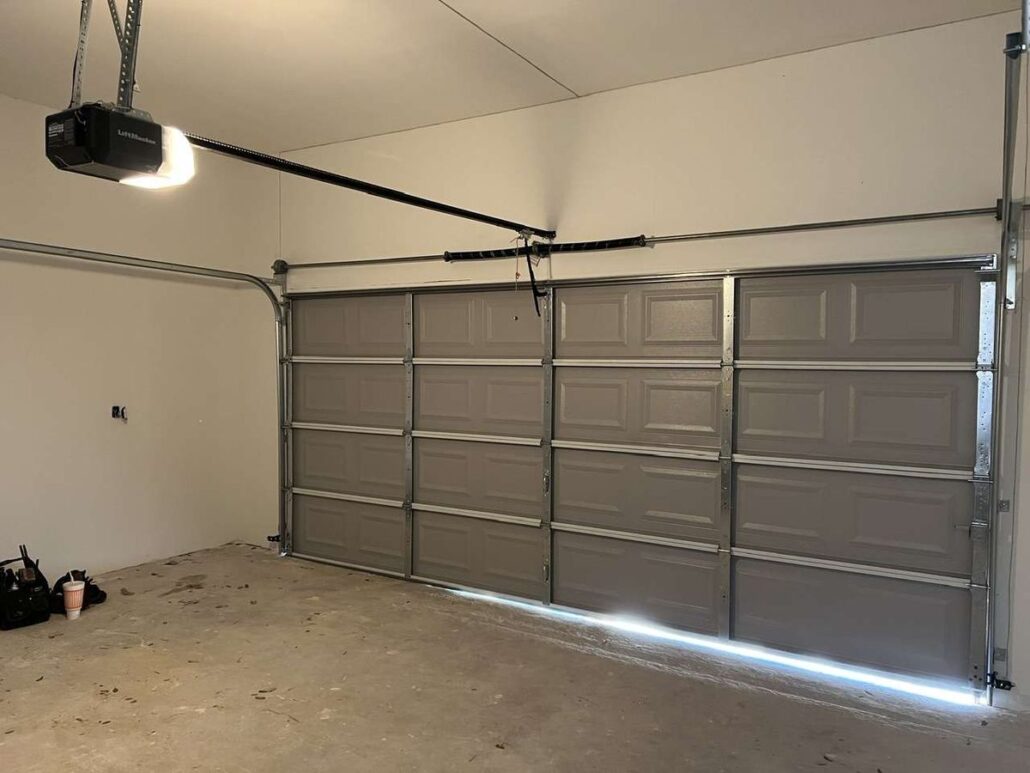
    A hum often means the motor is getting power and trying to spin. That helps rule out a dead outlet, a bad remote battery, or a total power loss. The unit wakes up, but the door does not rise. Many people call this opener not lifting, and that simple phrase fits the problem well.

    The sound also tells you the fault may be mechanical and not electrical. The motor can run while the link between the motor and drive system slips. When that happens, a garage motor hums but the opener cannot do the job you asked it to do.

    The Role of Drive Gears in Lifting Your Garage Door

    Inside many opener units, the motor turns a main drive gear. That gear then moves other parts that pull the chain, belt, or screw drive. This is how motor force becomes door movement. These garage opener gears work every time the door opens or closes.

    The gear teeth must grip with each cycle. When the teeth wear down, the motor may still spin, but the door stays still. That is why some owners say the motor runs no lift. The motor is active, yet the motion stops before it reaches the door.

    Why Plastic Gears Wear Faster Than Expected

    Many home openers use a plastic main gear. It helps keep cost down, and it can make the opener less noisy. But plastic wears faster than metal when heat, friction, and load build up over time. Small wear marks grow with each cycle.

    This wear is easy to miss because the part sits inside the opener case. From the floor, the unit may still look normal. The light may turn on. The motor may hum. Yet inside, the gear may be near failure. A full gear strip failure often starts as slow damage over many months.

    Early Signs of Gear Deterioration Most Homeowners Miss

    A bad gear often gives small warnings first. The opener may start with a rough sound. The door may jerk a little or pause for a second. You may hear light grinding from the motor box. These signs can seem minor, so many people keep using the opener.

    Some owners also notice fine plastic dust under the opener cover. That dust can come from gear teeth that are breaking down. It is a common sign of an opener gear issue. When the dust builds up, the gear may be close to the point where it can no longer lift.

    How Door Weight Imbalance Accelerates Gear Damage
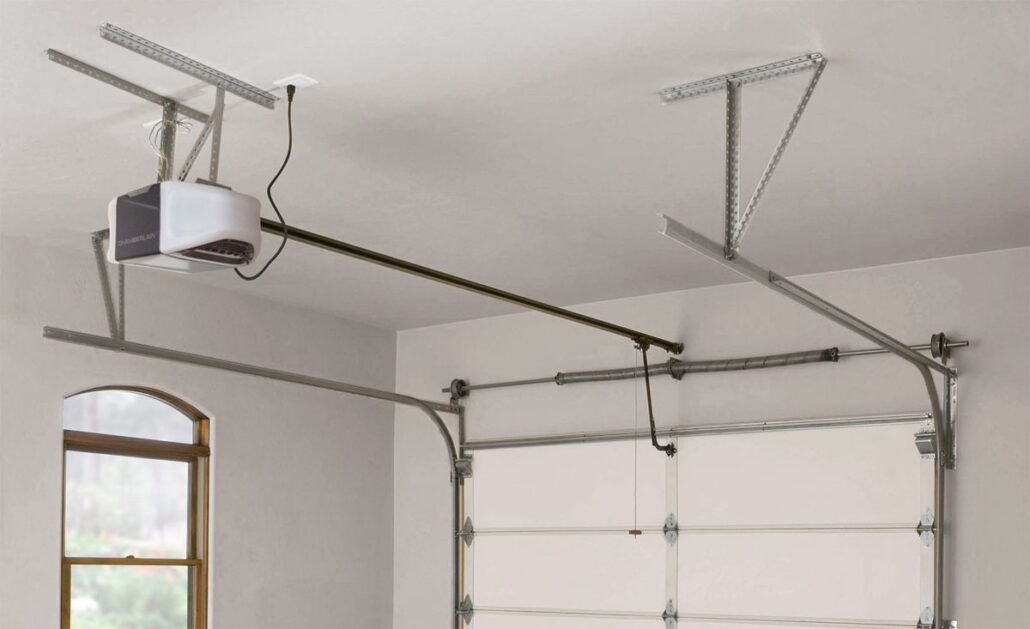
    A garage door opener should not lift the door by itself. The spring system should carry most of the door weight. The opener guides the movement. If the springs are weak, damaged, or out of balance, the opener takes on more load than it should.

    That extra strain goes right into the gear. Day after day, the teeth absorb more force than they were made to handle. This can speed up wear and turn a small problem into a big one. In some homes, the result feels like a garage door stuck for no clear reason.

    The Impact of Frequent Use on Gear Lifespan

    Use count plays a big part in gear life. A door that opens only a few times a day will age more slowly than one used as the main entry door. Busy homes put many extra cycles on the opener each week.

    Each cycle adds more friction, heat, and load. Over time, that steady use wears the gear down. This is one reason opener repair Monroeville jobs often involve homes where the garage door opens and closes all day long for work, school, errands, and daily traffic.

    Why Lubrication Doesn’t Solve Internal Gear Wear

    Many people reach for spray lubricant when the opener gets loud. Lubricant can help rollers, hinges, and other outside parts move with less drag. It may even make the whole system sound better for a short time.

    But lubricant does not rebuild worn gear teeth inside the opener. It cannot fix stripped plastic or missing material. When the inside gear is damaged, the real answer is inspection and part replacement. In many cases, that means stripped gear repair and not just routine care.

    Temperature Fluctuations and Gear Material Stress

    Garage parts react to weather. In cold weather, plastic can get harder and more brittle. In warmer weather, grease can thin out, and parts may expand a little. These changes add stress to a gear that may already be weak.

    The door can also become harder to move when weather shifts. Seals stiffen, tracks get dirty, and small drag points grow into bigger ones. That makes the opener work harder. A worn gear may fail much faster when weather stress and door stress hit at the same time.

    Diagnosing Gear Failure vs Motor Burnout
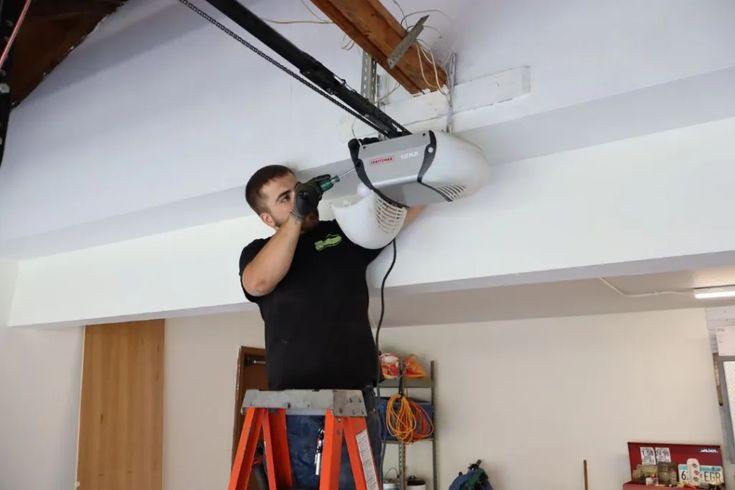
    A stripped gear and a burned motor can look alike from the ground. In both cases, the opener does not lift the door the right way. But there are clues that help tell them apart. With gear damage, the motor often still makes sound and tries to turn.

    With motor burnout, the unit may go silent, smell hot, or stop after a short try. A technician can open the case and inspect the inside parts. Worn teeth, plastic dust, and gear debris usually point to gear failure. Burn marks and a dead motor point to a different repair path.

    What Happens Inside the Opener When Gears Fully Strip

    When gears fully strip, the teeth can no longer grip the next part in the drive system. The motor shaft turns, but the lifting force stops there. That is why the opener sounds alive while the door stays in place.

    Inside the case, a technician may find plastic dust, broken bits, and dirty grease mixed together. The gear may look smooth where sharp teeth once were. At that stage, a true gear strip failure means the opener cannot recover until the damaged gear is replaced.

    Repair vs Replacement: When Gear Damage Goes Too Far

    Some opener units are good repair candidates. If the motor is still strong and the rest of the opener is in fair shape, a new gear kit may solve the problem. In that case, stripped gear repair can bring the opener back to normal service.

    Other units are too worn for a smart repair. If the opener is very old, if the motor is weak, or if other parts are failing too, replacement may make more sense. A good service call looks at age, wear, and door balance before picking the better path.

    Preventing Future Gear Failures Through System Balance

    The best way to protect new gears is to reduce strain on the whole system. Springs should be set right. Tracks should stay in line. Rollers and hinges should move without extra drag. When the door is balanced, the opener does less work.

    That lower load helps new gears last longer. It also cuts noise and helps the opener move the door in a smoother way. If the unit has failed once, a full system check can help stop the same opener humming noise from coming back too soon.
    Frequently Ask Questions

    Service Information & Answers

    This usually means the motor still has power, but the drive gear inside has worn down or stripped. The opener tries to run, but the force does not reach the door.
    Yes. Weak or broken springs make the opener work much harder than normal. That added load can wear out garage opener gears faster and cause failure sooner.
    No. Many times, the motor is still alive and the real issue is inside the drive system. That is why a humming unit should be checked before anyone assumes the opener is beyond repair.
    Stop running the opener over and over. More use can add damage. A local technician from A1 Garage Door Repair Service can inspect the opener, check door balance, and tell whether repair or replacement fits.