Commercial Garage Door Repair in Monroeville PA: What Business Owners Must Know
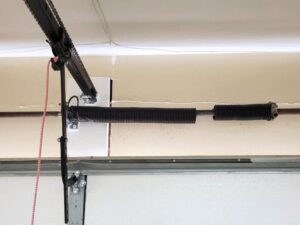
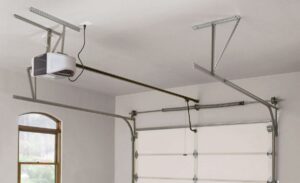
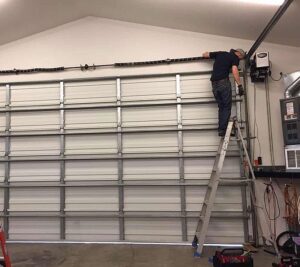
Every commercial property depends on access — and garage doors are at the heart of that flow. From shipping centers and auto shops to medical facilities and warehouses, a single malfunction can delay deliveries, halt operations, or compromise security. That’s why facility managers searching for Garage Door Repair Monroeville PA aren’t just dealing with inconvenience — they’re under pressure to solve problems fast, correctly, and with minimal disruption. Commercial garage doors face higher loads, faster wear, and stricter compliance standards than their residential counterparts. They’re larger, heavier, and operate more frequently under tighter tolerances. In 2026, national repair data shows that commercial garage door malfunctions result in more than $1.5 billion in lost operational time annually — much of it avoidable with routine inspections, timely service, and component upgrades. The real risk? Waiting too long or choosing the wrong fix. That’s where professional insight becomes essential. This guide focuses on what Monroeville business owners need to know — from high-failure parts and downtime triggers to choosing reliable partners who understand commercial-grade systems. Most Common Commercial Garage Door Failures That Disrupt Business Operations While commercial garage doors are built for durability, they’re not immune to breakdowns—especially in high-traffic areas such as loading docks, automotive bays, and inventory facilities. Each lift cycle places stress on springs, hinges, rollers, sensors, and opener systems. Add in weather, power fluctuations, and lack of maintenance, and you’ve got a recipe for frequent service disruptions. The top failure types affecting businesses in Monroeville PA typically fall into six categories: Failure Type Common Symptoms Impact on Business Broken torsion springs Door slams or won’t lift Complete shutdown of access Frayed or snapped cables Uneven door movement Safety hazard + off-track door Roller or hinge wear Loud grinding, door dragging Slower operations, employee risk Faulty opener motors Door won’t respond Delays in inbound/outbound traffic Sensor misalignment Door won’t close fully Security gaps + workflow stoppage Track misalignment Sticking, jerking motion Structural strain, vehicle damage Springs and cables are the most failure-prone components in commercial settings, especially with heavy insulated or steel-back doors. Unlike residential doors, these are often cycled hundreds of times per day. That’s why commercial springs typically require higher cycle ratings — 25,000 to 100,000 cycles, depending on the door’s role. Cables, on the other hand, degrade gradually. Dirt, moisture, and uneven winding tension cause internal fray long before visible wear appears. Once cables snap or kink, the entire door loses balance, placing extreme strain on the remaining side and risking off-track failures or sudden slams. Motor-driven openers in commercial setups are another weak link. They’re often underpowered for the job or mismatched with heavier-than-average doors. When openers strain to lift or respond slowly to commands, they create workflow bottlenecks and safety risks for staff navigating vehicle paths. Sensors also fail more often in commercial environments. Debris, vibration, or interference from warehouse lighting can cause alignment drift. When sensors fail, doors refuse to close or auto-reverse incorrectly — disrupting security protocols and access control systems. Lastly, track alignment is critical. Forklifts, vehicles, or heavy rolling carts often bump into tracks, causing slight shifts that lead to metal-on-metal contact. This not only increases wear on rollers and brackets, but can also cause doors to twist mid-operation — a dangerous and costly outcome.Addressing these failures before they escalate is the core of good facility management. And in 2026, with rising equipment costs and delayed parts lead times, prevention is not just smart — it’s an operational strategy. Top Signs Commercial Doors Need Immediate Repair or Adjustment Spotting the warning signs of commercial garage door issues early can be the difference between routine repair and a full-blown emergency service call. Commercial setups often operate in fast-paced environments where minor hesitation, misalignment, or strain can compound quickly. That’s why awareness among business owners, maintenance teams, and dock managers is essential. Here are the key operational signs that your commercial garage door system in Monroeville PA needs prompt attention: Lagging door response when using wall controls or remotes Door feels heavier or moves unevenly during lifting cycles Grinding, screeching, or popping noises during operation Sensor lights blinking or doors refusing to close without manual override Door panels flexing, bowing, or binding against tracks Visible slack, fray, or corrosion on lift cables Bottom of door dragging unevenly or failing to seal properly Sudden reversals mid-close cycle with no obstruction present Any of these issues indicates mechanical imbalance, electrical strain, or component fatigue. Delaying service can lead to broader failures— such as track collapse, opener burnout, or spring snaps —all of which can shut down access for days. Another overlooked sign is a change in door speed. If your door starts moving faster or slower than usual, it may be due to spring tension loss or a failing opener clutch. These small shifts often precede major failures and should be flagged immediately. On the electrical side, intermittent opener operation, control panel delays, or nonresponsive remote commands can indicate wiring issues, a circuit board malfunction, or motor overheating. In commercial settings, this can interfere with automated gate or building security systems at the garage entry point. In 2026, as more Monroeville businesses integrate smart facility technology, these malfunctions also cause software synchronization errors. A door that doesn’t close or logs false signals can trigger security alerts, restrict vehicle movements, or even cause system-wide auto-locks. Some businesses try to “nurse” the issue — overriding sensors, manually closing doors, or forcing jammed rollers. This creates liability, voids warranties, and accelerates component wear. Smart operations recognize that commercial doors are mechanical systems under stress. The sooner imbalance or resistance is diagnosed and corrected, the lower the long-term cost and risk. Emergency vs Scheduled Commercial Garage Door Repair Services in Monroeville PA In the fast-moving world of logistics, distribution, and commercial operations, downtime is more than an inconvenience — it’s lost money. That’s why business owners