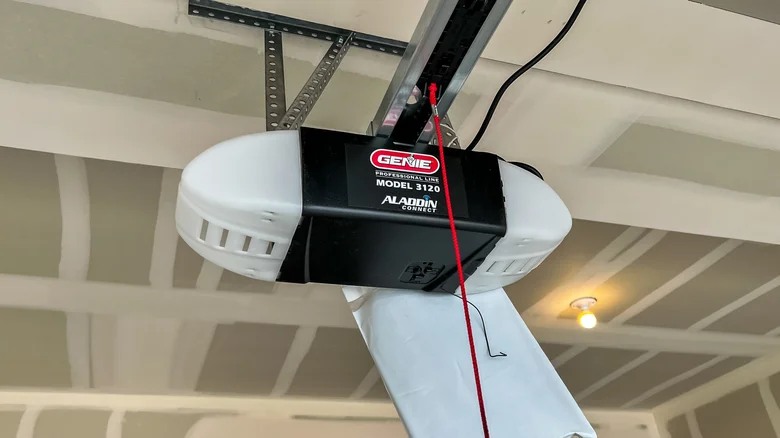
A garage door that won’t open, closes unexpectedly, or stops halfway can disrupt your day and create safety concerns. A1 Garage Door Repair Service provides garage door opener repair in Pittsburgh, PA, addressing problems with motors, remote controls, safety sensors, and drive mechanisms. Whether your opener has stopped responding or has become unreliable, our team can inspect the system, identify the cause, and recommend appropriate repairs.
Garage door opener repairs that address the actual problem
A malfunctioning garage door opener does not always mean the motor needs replacement. Sometimes the issue is a damaged remote, interrupted power supply, faulty safety sensor, or worn drive component. In other situations, resistance from the garage door itself prevents the opener from operating correctly.
A1 Garage Door Repair Service helps Pittsburgh homeowners identify these problems through a detailed inspection of the opener and its connected components. This includes examining how the controls respond, listening for unusual motor sounds, checking the drive mechanism, and assessing whether the door moves freely.
We work with different opener configurations, including chain-drive, belt-drive, and compatible wall-mounted systems. The appropriate repair depends on the equipment’s condition, model, and available replacement parts.
When a component can be repaired or adjusted, that option can be considered before replacing the entire opener. If the system has substantial damage or is no longer practical to maintain, a replacement may be more appropriate.
Our goal is to help customers understand what is affecting their garage door and which service option makes sense for their situation.

Signs your garage door opener needs professional attention

Garage door opener problems often begin with small changes in how the equipment responds. A door might take longer to open, pause during movement, or require repeated button presses before the motor starts. You may also notice clicking, rattling, or grinding sounds that were not present before.
These symptoms can have different causes. A motor that runs while the door remains stationary may have a disconnected or damaged drive component. An opener that refuses to close could be responding to an obstructed safety sensor. If the entire system is unresponsive, the problem may involve the power source or control circuit.
Before scheduling service, homeowners can check whether the opener has power, replace remote batteries, and look for visible obstructions near the safety sensors. These basic checks may help rule out simple issues.
However, avoid repeatedly operating a door that is crooked, unusually heavy, or making severe mechanical noises. Never bypass safety sensors or attempt to adjust loaded springs and cables.
A professional inspection can help determine whether the issue belongs to the opener, the garage door hardware, or both.
Common garage door opener problems we can diagnose
Garage door openers rely on electrical controls, mechanical drive components, and safety features working together. A fault in one area can affect the operation of the entire system.
Garage door opener not responding
Pressing the wall button or remote should activate the opener. If nothing happens, the issue may involve a disconnected power source, activated lock mode, damaged control wiring, or a fault within the opener.
Checking both the wall control and remote can help narrow down the problem. If neither operates the system, further electrical diagnosis may be required.
Garage door remote or keypad problems
An opener may work from the wall switch but fail when operated through a remote or wireless keypad. Weak batteries, damaged buttons, signal interference, or programming issues can interrupt communication.
Troubleshooting involves determining whether the problem is isolated to one device or affects multiple controls. Depending on the findings, the solution may involve reprogramming, repairing, or replacing the affected component.
Garage door reverses before closing
If a garage door starts closing and immediately moves upward again, the opener may be detecting an obstruction or responding to an incorrect travel setting.
Dirty or misaligned photo-eye sensors can interrupt the closing cycle. Door resistance and hardware problems may produce similar symptoms.
The safety system should be inspected and tested rather than bypassed to force the door closed.
Noisy or worn opener drive components
Unusual rattling, scraping, or grinding sounds may indicate problems with the opener’s chain, belt, gears, or mounting hardware.
A worn drive component can affect movement even when the motor continues running. Loose brackets and excessive vibration may also contribute to noise.
Identifying where the sound originates helps determine whether the opener needs an adjustment, component replacement, or further inspection of the door.
Garage door opener motor runs but door won’t move
A humming or running motor with no visible door movement may indicate a disengaged trolley, damaged gear, broken drive connection, or a door that has become jammed.
The opener should not be repeatedly activated when the door cannot move properly. Continued operation can place unnecessary strain on the equipment.
An inspection can identify the damaged component and establish whether the opener can be repaired without replacing the complete unit.
Not every garage door malfunction originates inside the opener. Springs, rollers, tracks, and other door components can influence how much resistance the motor encounters. Evaluating the connected system helps avoid unnecessary opener repairs and makes it easier to identify the actual cause.
A practical approach to garage door opener repair
When an opener stops working, replacing components without understanding the cause can leave the original problem unresolved.
A1 Garage Door Repair Service approaches opener troubleshooting by considering both the electrical equipment and the mechanical condition of the garage door.
An inspection can begin with the opener’s power supply and control response before moving to the drive assembly, mounting hardware, and door travel. The technician can then assess whether an adjustment, individual component repair, or opener replacement is appropriate.
This distinction matters because a properly functioning motor cannot compensate indefinitely for a garage door that is binding, unbalanced, or difficult to move.
Safety is another important part of the assessment. Photo-eye sensors, automatic reversal features, and the opener’s operating limits must function according to the manufacturer’s instructions.
Before approving repairs, customers should understand which parts require attention, the recommended work, and any factors that may affect replacement options.
A repair should address the identified fault while supporting the safe, consistent movement of the entire garage door system.
Service features
- Complete system assessment
Evaluate the opener together with the garage door components that influence its operation. - Motor and control diagnostics
Investigate response problems involving electrical controls, motors, and connected devices. - Drive mechanism inspection
Check the condition of applicable belts, chains, gears, and mounting connections. - Safety system evaluation
Verify that sensors and automatic reversal functions respond as intended. - Repair and replacement guidance
Consider component condition, compatibility, and available parts before selecting a solution. - Operational testing
Check opening and closing movement following adjustments or completed repairs. - Maintenance recommendations
Identify visible wear or operating conditions that may require future attention.
Garage door opener repairs for homes and commercial properties
Residential and commercial garage doors serve different purposes, but both rely on dependable opening and closing mechanisms.
For homeowners, opener problems can interrupt daily routines and make it difficult to access vehicles or secure an attached garage. A faulty remote, inconsistent motor response, or door that refuses to close may require attention before the system can be used normally.
Commercial properties may use garage door operators designed for different door weights, operating demands, and control arrangements. Problems with these systems can interrupt deliveries, employee access, or routine building operations.
A1 Garage Door Repair Service provides residential and commercial garage door support in the Pittsburgh area. The appropriate troubleshooting process depends on the equipment installed and the symptoms reported.
For residential systems, common service concerns include remote connectivity, drive mechanisms, and safety sensors. Commercial operator assessments may also involve specialized controls, operating cycles, and equipment-specific safety requirements.
Whether the system serves a private garage or a business facility, understanding its configuration is essential before deciding on repairs.